12 miles away
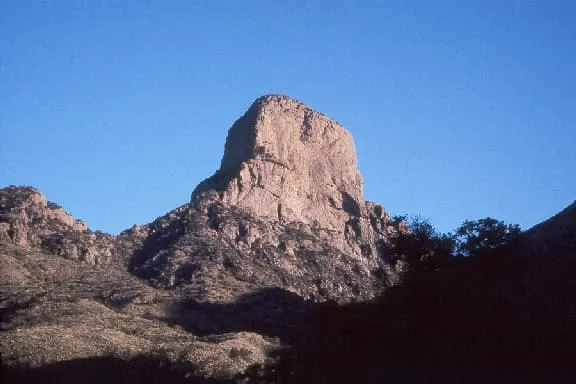
Baboquivari Peak Wilderness
The smallest designated wilderness in Arizona, 2,065 acres around Baboquivari Peak, a technical summit sacred to the Tohono O'odham.
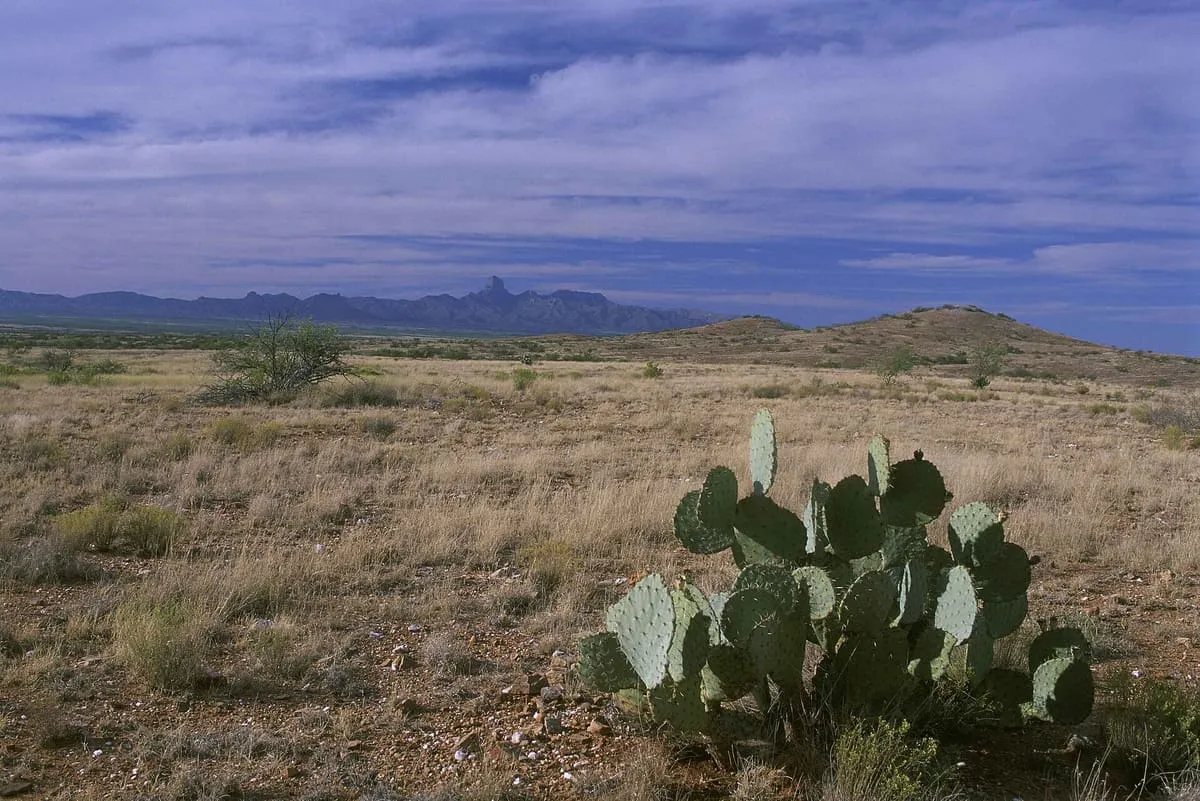
A 117,107-acre US Fish and Wildlife Service refuge in Pima County, created for the reintroduction of masked bobwhite quail and pronghorn.
Buenos Aires National Wildlife Refuge covers 117,107 acres (47,392 ha) in Pima County, Arizona, providing habitat for threatened and endangered plants and animals. It is managed by the US Fish and Wildlife Service; sources differ on whether it was established in 1985 or 1986. The refuge was created for the reintroduction of the masked bobwhite quail and the pronghorn antelope, and a number of other mammal and bird species are now well established there, making it a noted site for watching birds and wildlife.
Buenos Aires National Wildlife Refuge is a natural landmark near Altar Valley, in Pima County. It is one of the natural landmarks in this database, and appears in the statewide ranking of Arizona attractions.
No official visitor count is published for Buenos Aires National Wildlife Refuge, so its score rests on public interest and tourism significance, and is capped below the level a measured attraction can reach. That is why the medium confidence above is not higher. The weighting is explained in full on the methodology page, and every axis is broken out under Facts and sources at the foot of this page.
Note on the data: No official visitor count is published for this attraction.
Record last verified 2026-08-12.
12 miles away
18 miles away
24 miles away
24 miles away
24 miles away
24 miles away