7.4 miles away
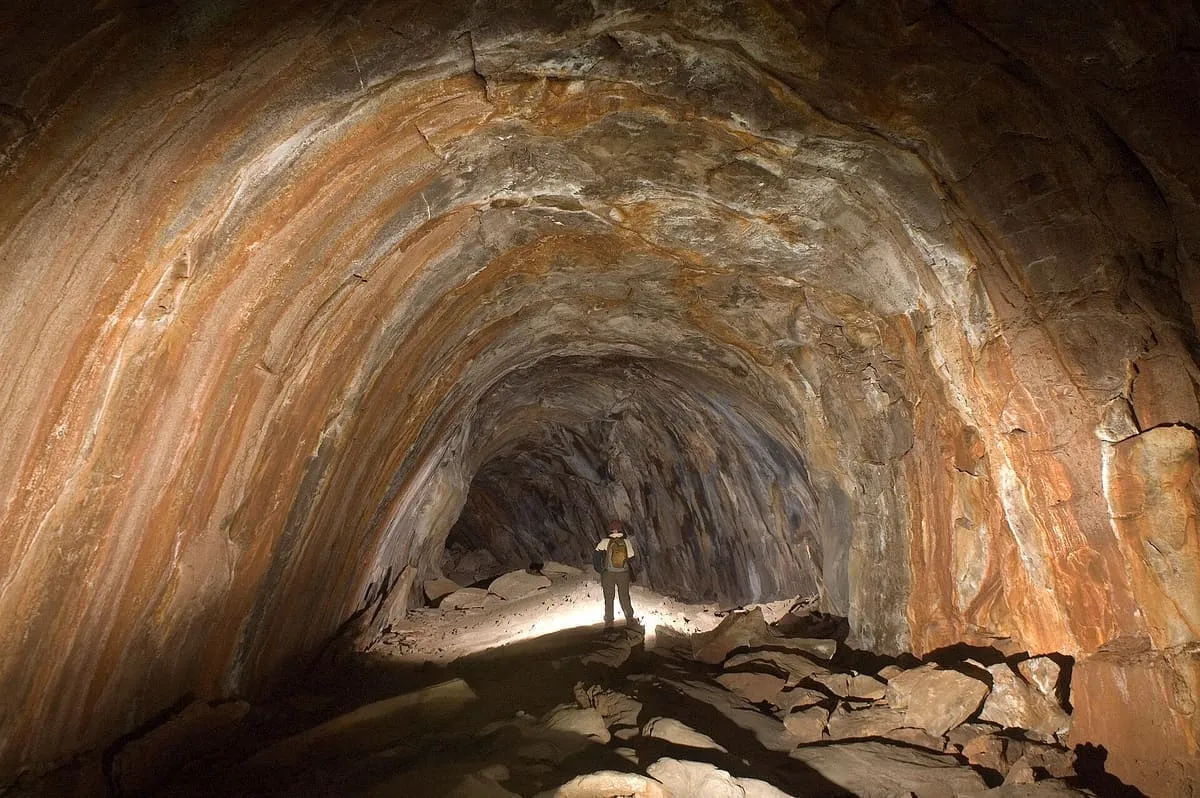
Lava River Cave
A 0.75-mile lava tube west of Flagstaff, the longest known in Arizona, formed by an eruption 650,000 to 700,000 years ago.
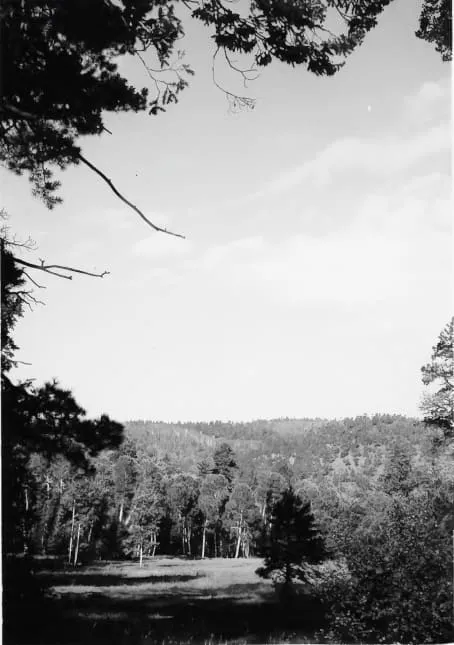
A Coconino National Forest campsite linked to Clinton Hart Merriam, the United States' first eco-biologist, and a landmark since 1965.
The C. Hart Merriam Base Camp Site is a historic campsite in the Coconino National Forest, north of Flagstaff, Arizona, significant for its association with Clinton Hart Merriam (1855-1942), described as the United States' first eco-biologist. It was designated a National Historic Landmark in 1965.
C. Hart Merriam Base Camp Site is a historic site near Williams, in Coconino County. It is one of the historic sites in this database, and appears in the statewide ranking of Arizona attractions.
No official visitor count is published for C. Hart Merriam Base Camp Site, so its score rests on public interest and tourism significance, and is capped below the level a measured attraction can reach. That is why the medium confidence above is not higher. The weighting is explained in full on the methodology page, and every axis is broken out under Facts and sources at the foot of this page.
Note on the data: No official visitor count is published for this attraction.
Record last verified 2026-08-12.
7.4 miles away
9.5 miles away
11 miles away
11 miles away
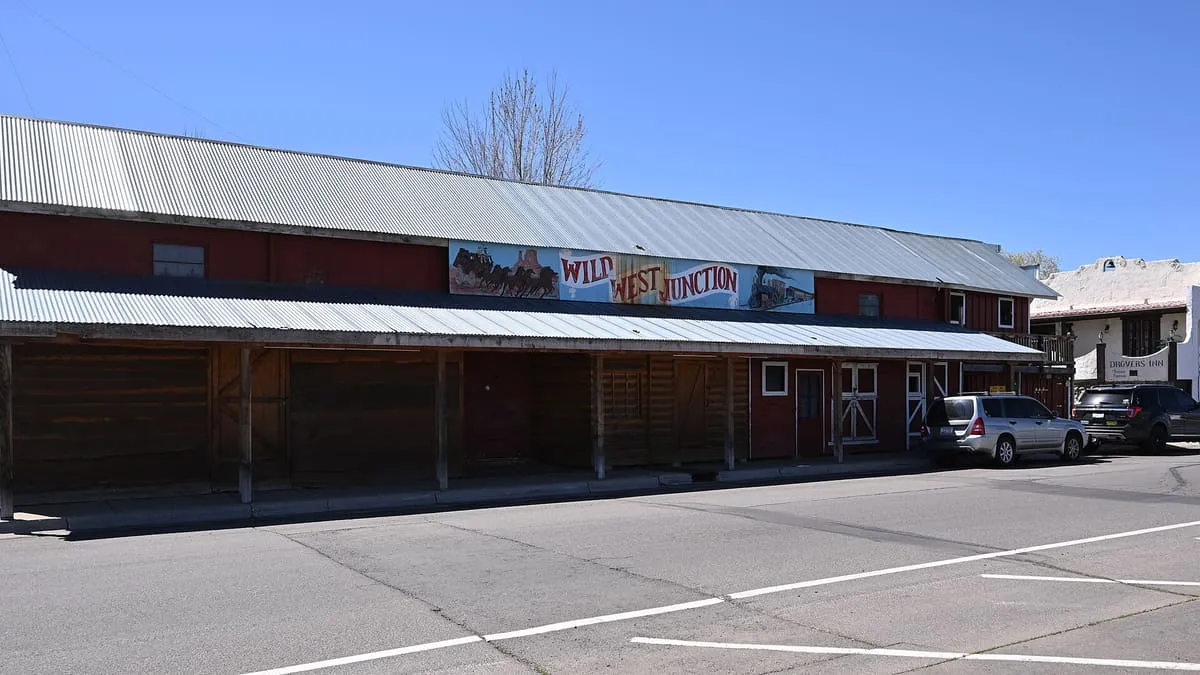
13 miles away
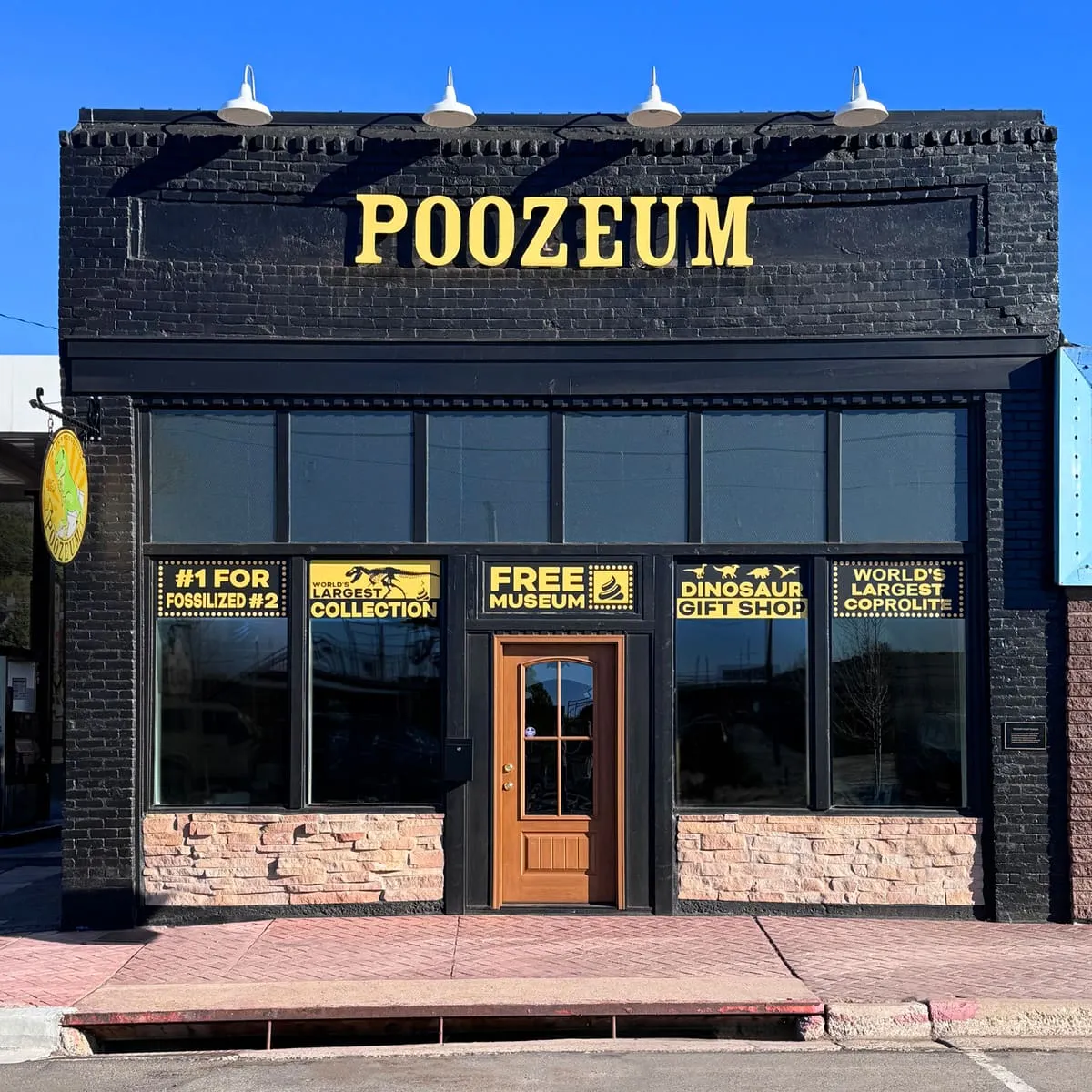
13 miles away