4.7 miles away
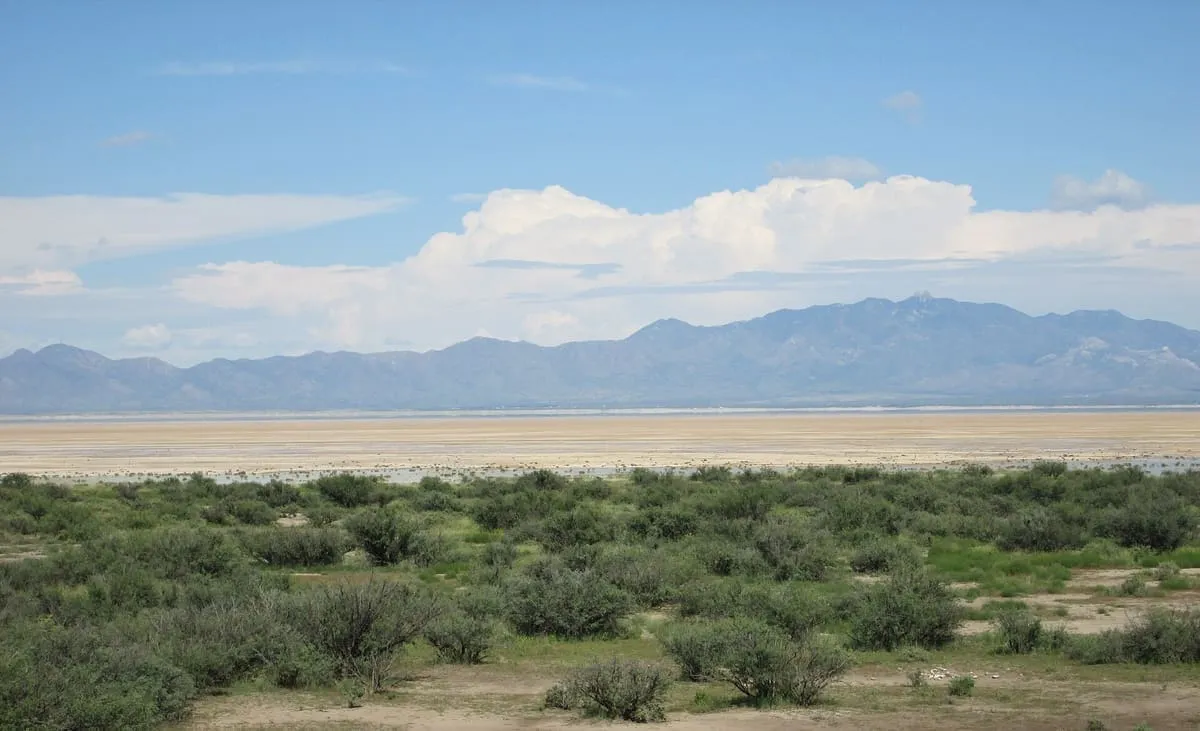
Willcox Playa
A 40-square-mile dry lake beside Willcox, remnant of Pleistocene Lake Cochise and a National Natural Landmark since 1966.
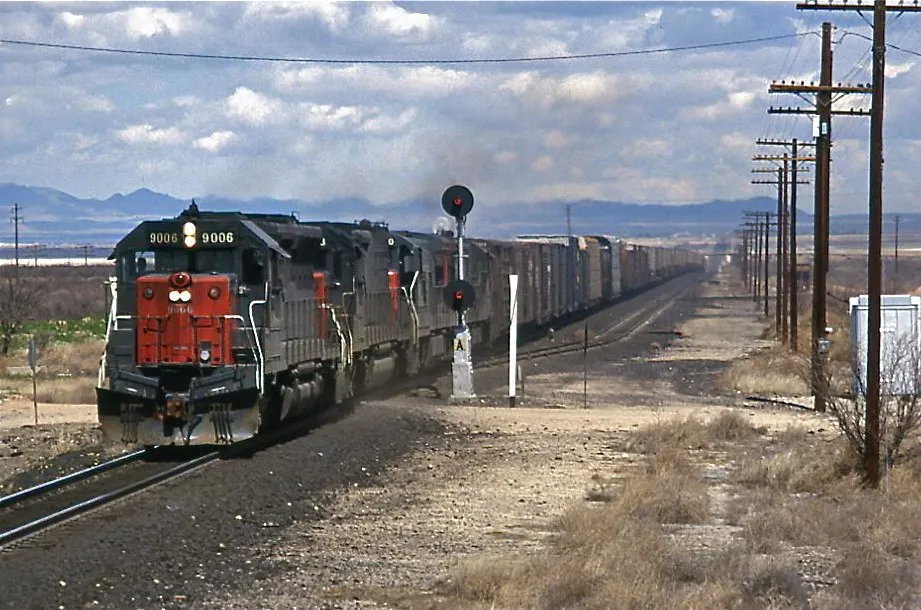
An unincorporated community in Cochise County, founded in the 1880s as a coal and water stop on the railway.
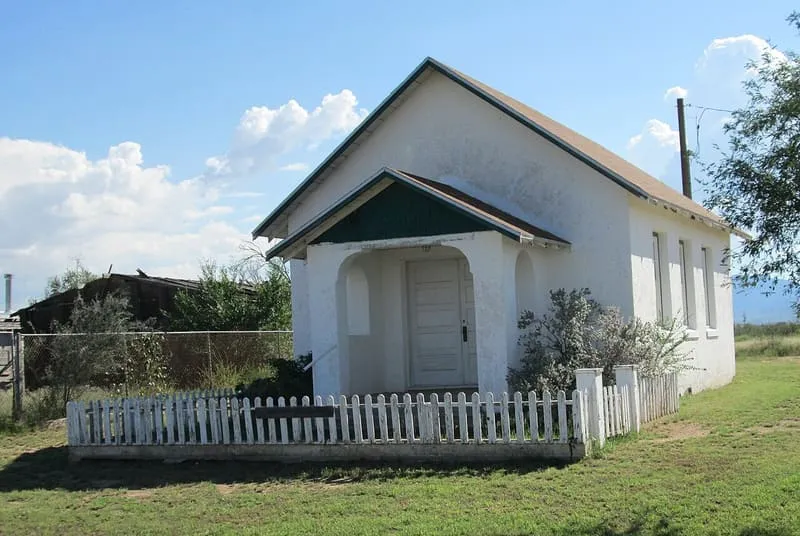
Cochise is an unincorporated community in Cochise County, Arizona. It was created alongside the Southern Pacific Railroad in the 1880s and served chiefly as a stop where trains took on the coal and water they then needed. At its peak the town had a population of about 3,000; some 50 people live there now, and several historic buildings remain. Big Nose Kate, an associate of Doc Holliday, lived at Cochise in 1899, working at the Cochise Hotel after Holliday's death. The community uses the 85606 ZIP code, whose census tabulation area had 1,592 residents in 2000.
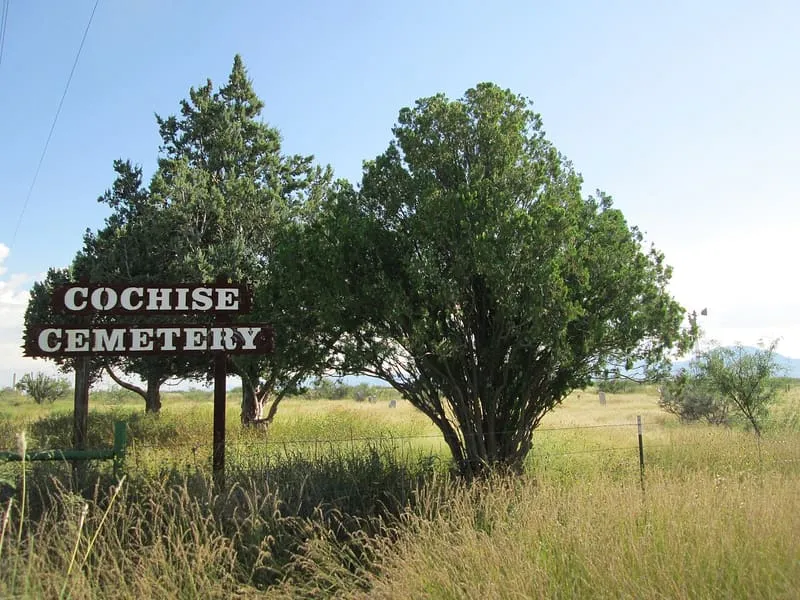
Cochise is a historic site near Dragoon Mountains, in Cochise County. It is one of the historic sites in this database, and appears in the statewide ranking of Arizona attractions.
No official visitor count is published for Cochise, so its score rests on public interest and tourism significance, and is capped below the level a measured attraction can reach. That is why the medium confidence above is not higher. The weighting is explained in full on the methodology page, and every axis is broken out under Facts and sources at the foot of this page.
Note on the data: No official visitor count is published for this attraction.
Record last verified 2026-08-12.
4.7 miles away
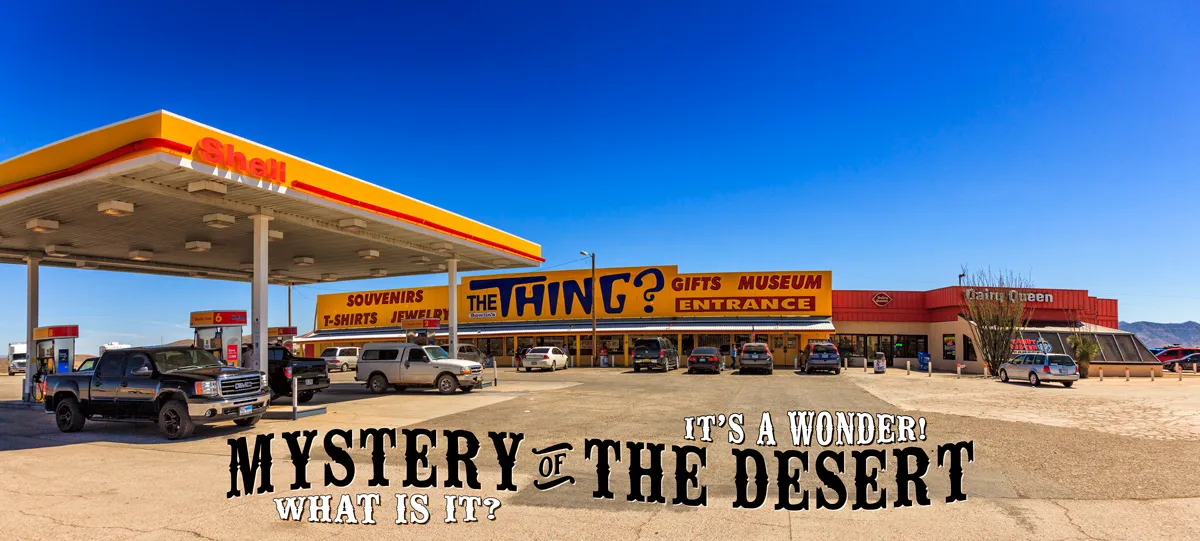
7.8 miles away
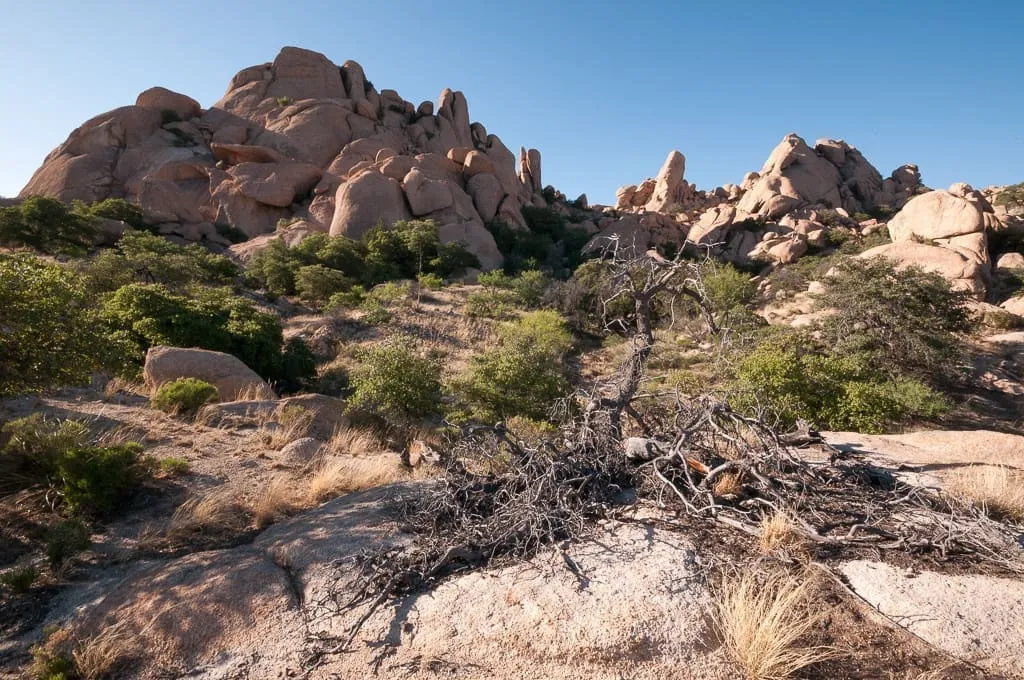
9.9 miles away
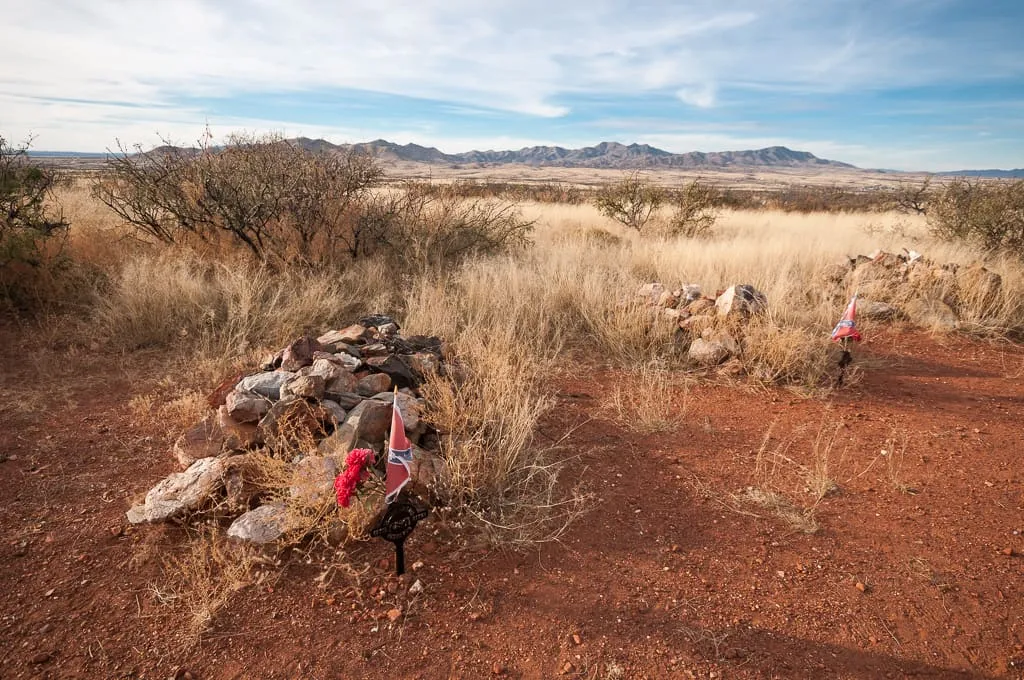
9.9 miles away
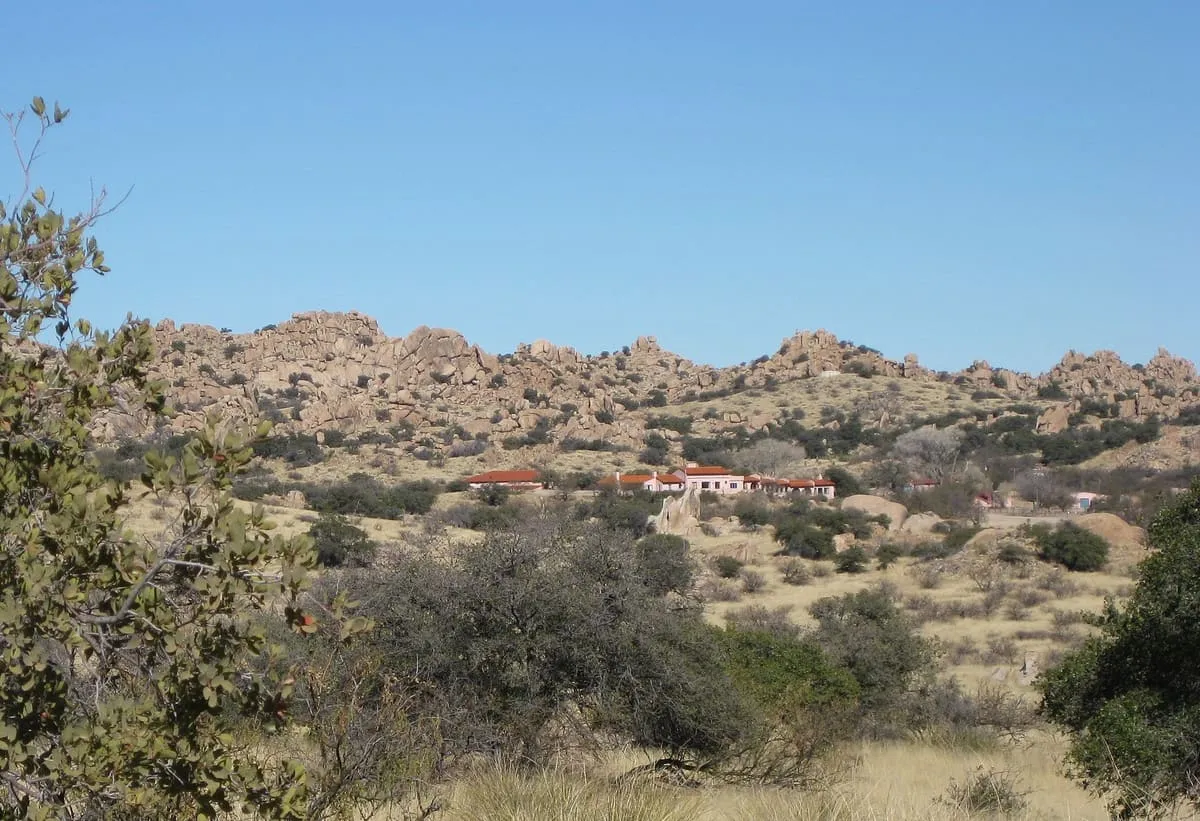
10 miles away
11 miles away