4.7 miles away
Cochise
An unincorporated community in Cochise County, founded in the 1880s as a coal and water stop on the railway.
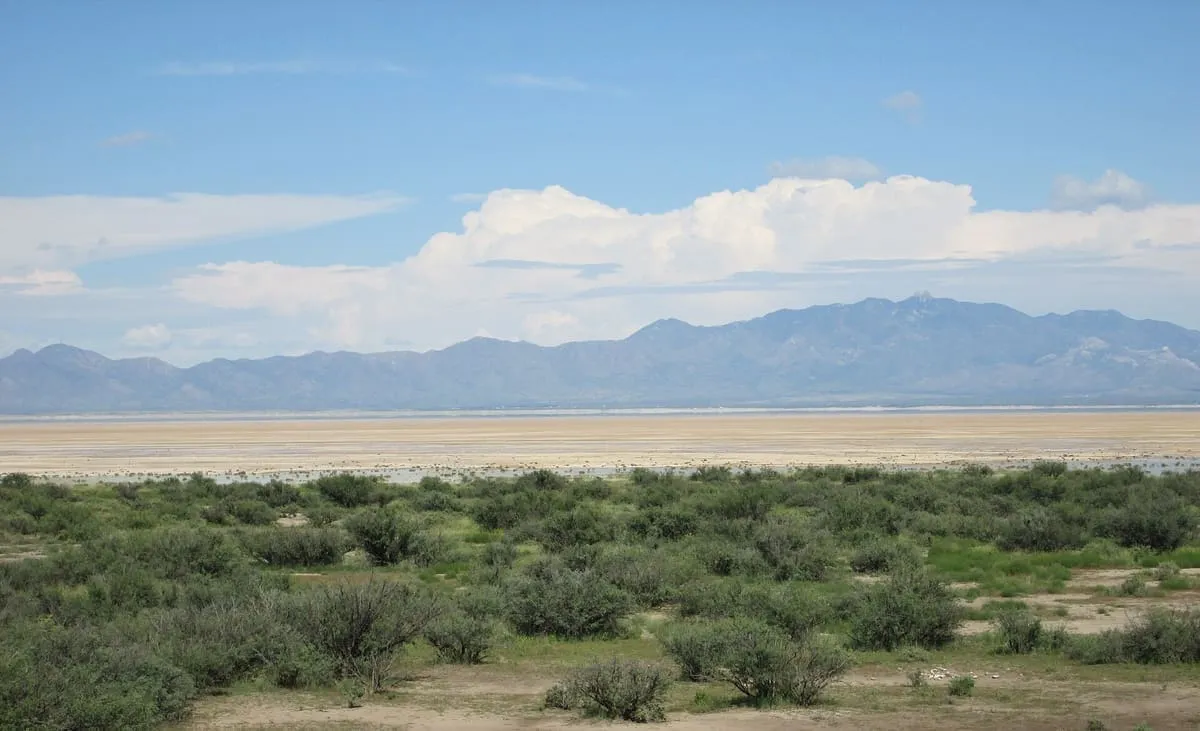
A 40-square-mile dry lake beside Willcox, remnant of Pleistocene Lake Cochise and a National Natural Landmark since 1966.
The Willcox Playa is an endorheic dry lake beside Willcox in Cochise County, in the south-eastern corner of Arizona. It measures roughly 8 miles by 10, an area of about 40 square miles, and is the remnant of Lake Cochise, a pluvial lake of the Pleistocene; the surrounding country belongs to the Sonoran Desert ecoregion. Parts of the lake bed have been used as a military bombing range, and most of the area is now used by the Electronic Proving Ground, based at Fort Huachuca. It was designated a National Natural Landmark in 1966 for the fossil pollen preserved beneath it, the thousands of sandhill cranes that roost there, and the greatest diversity of tiger beetles in the United States.
Willcox Playa is a natural landmark near Willcox, in Cochise County. It is one of the natural landmarks in this database, and appears in the statewide ranking of Arizona attractions.
No official visitor count is published for Willcox Playa, so its score rests on public interest and tourism significance, and is capped below the level a measured attraction can reach. That is why the medium confidence above is not higher. The weighting is explained in full on the methodology page, and every axis is broken out under Facts and sources at the foot of this page.
Note on the data: No official visitor count is published for this attraction.
Record last verified 2026-08-12.
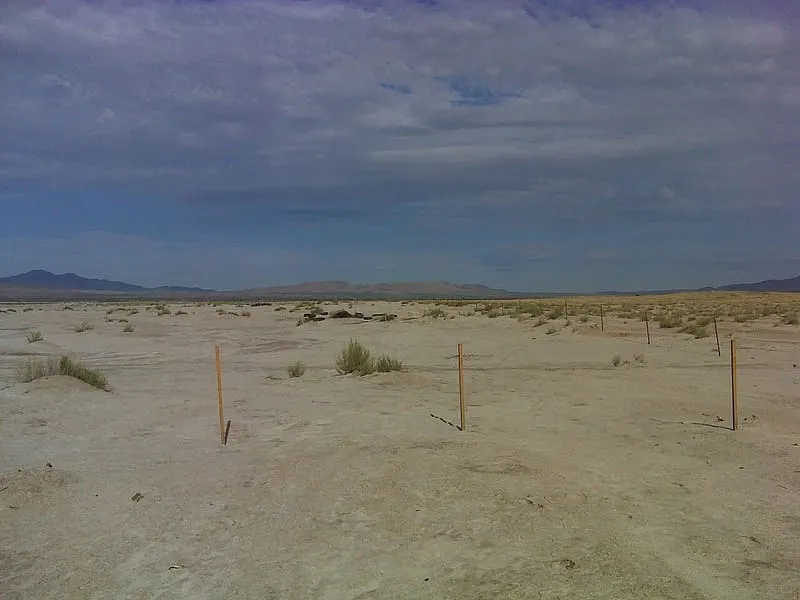
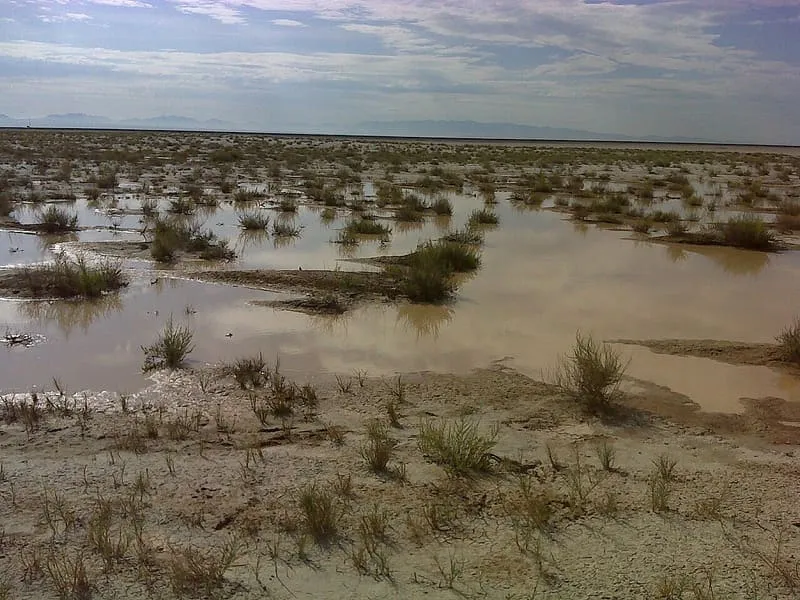
4.7 miles away
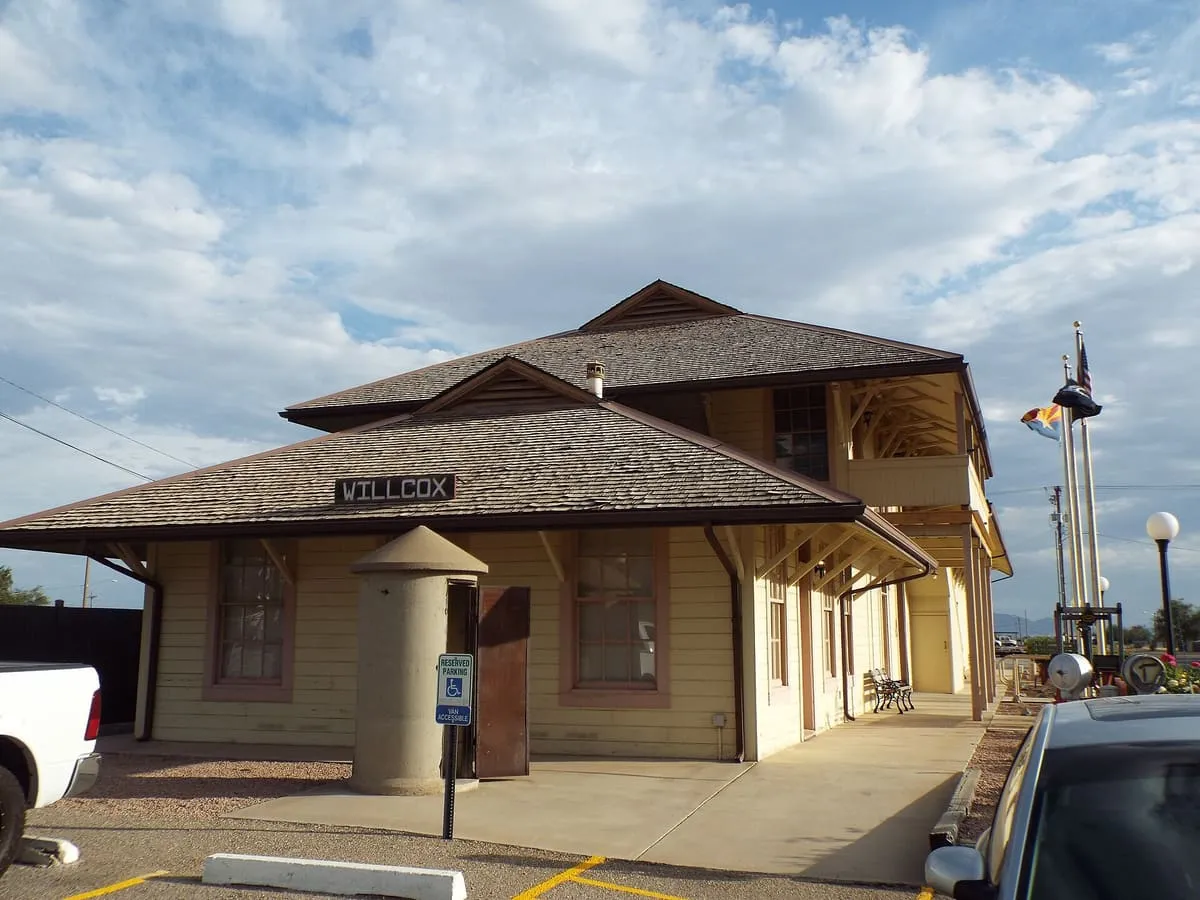
7.7 miles away
7.8 miles away
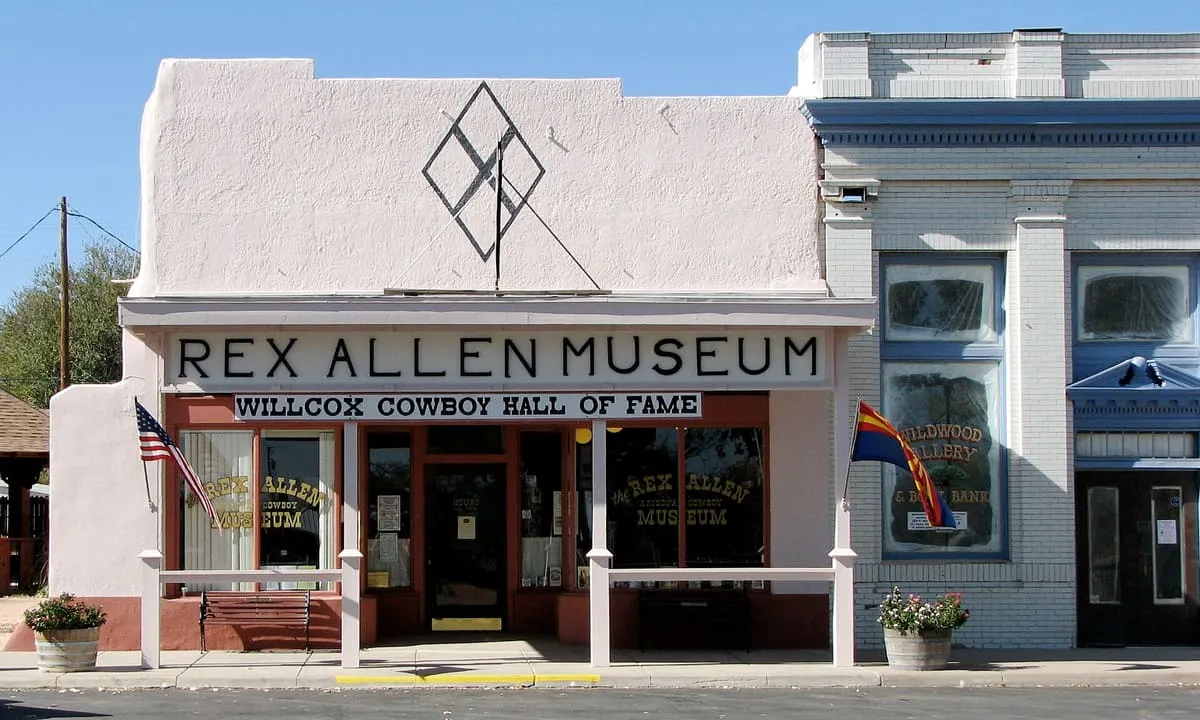
7.8 miles away
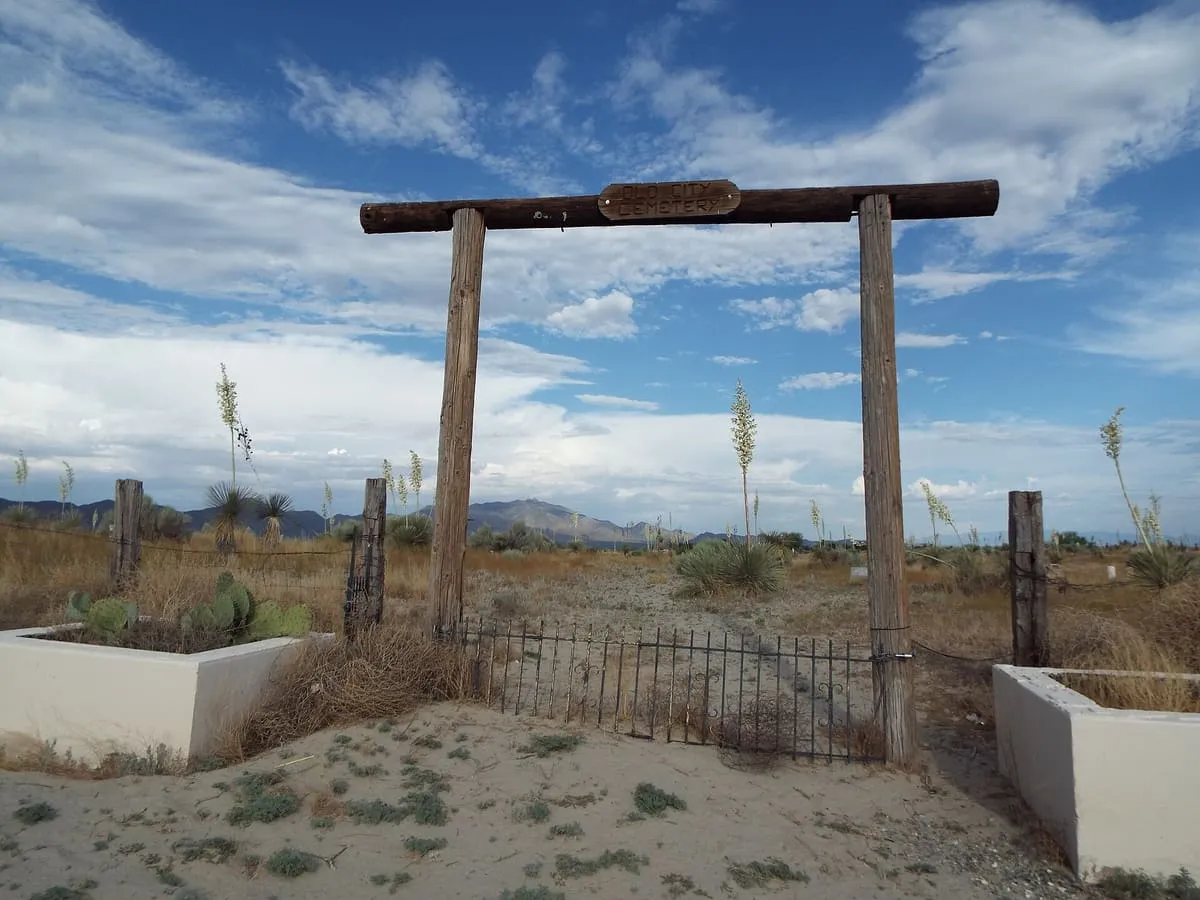
8.1 miles away
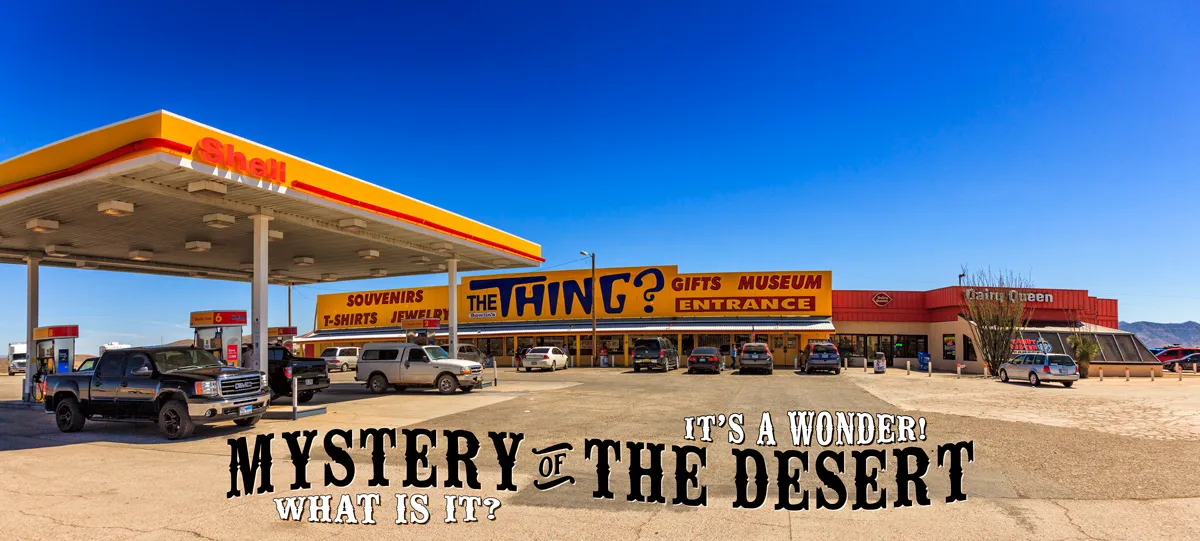
12 miles away