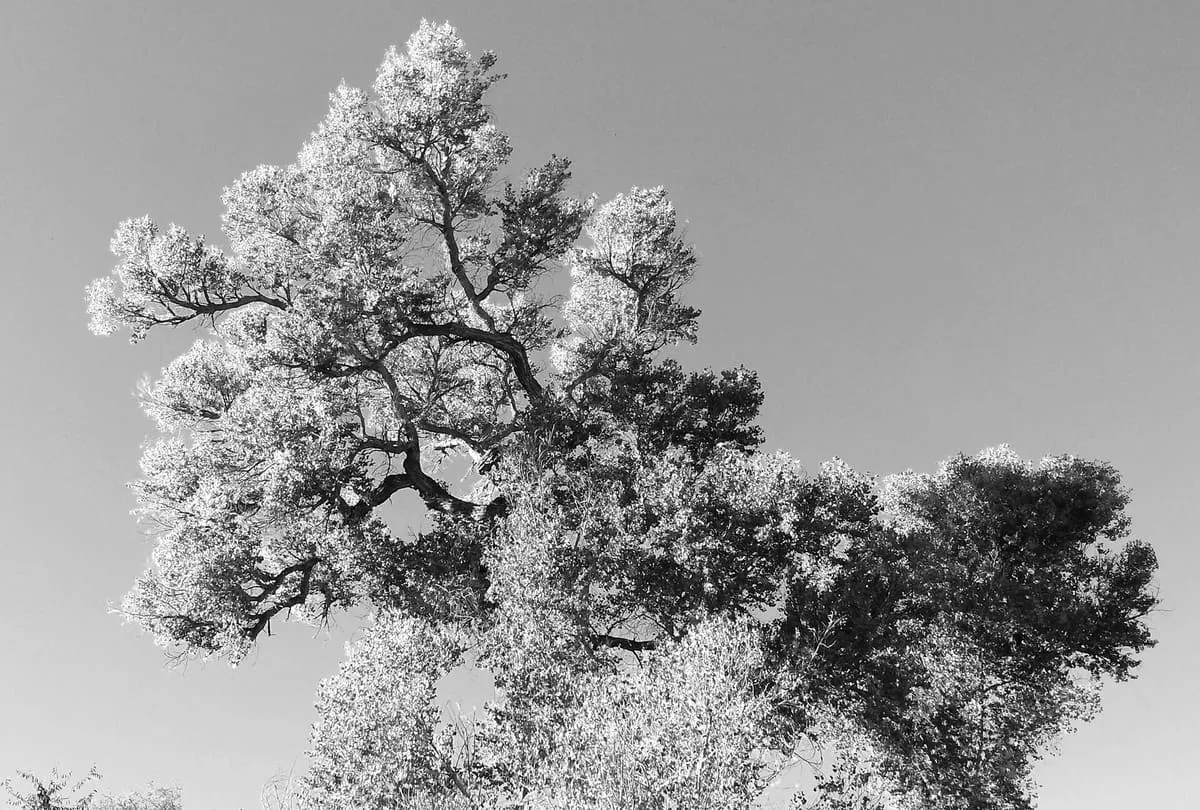
5.2 miles away
Patagonia-Sonoita Creek Preserve
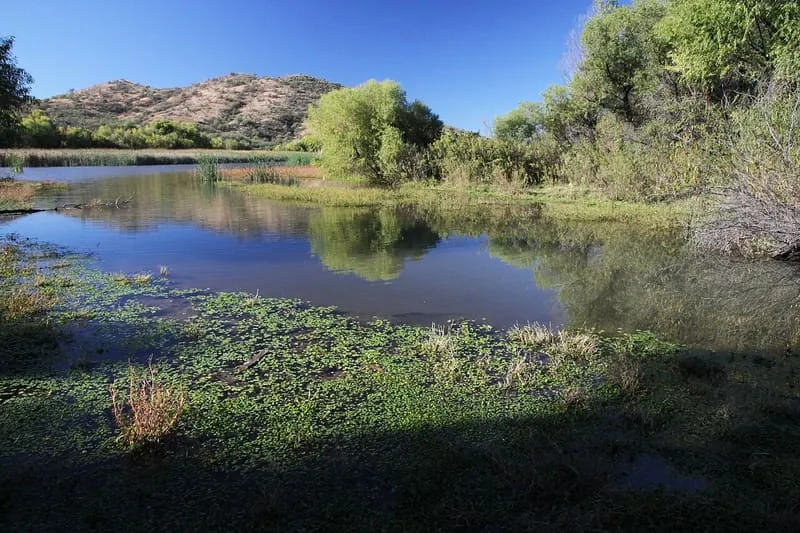
Patagonia-Sonoita Creek Preserve, near Patagonia, Santa Cruz County, Arizona, is a Nature Conservancy-managed wetland used for birdwatching.
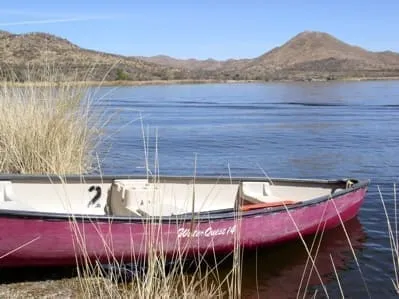
A 250-acre lake south of Patagonia, created by damming Sonoita Creek, used for fishing, boating and birding.
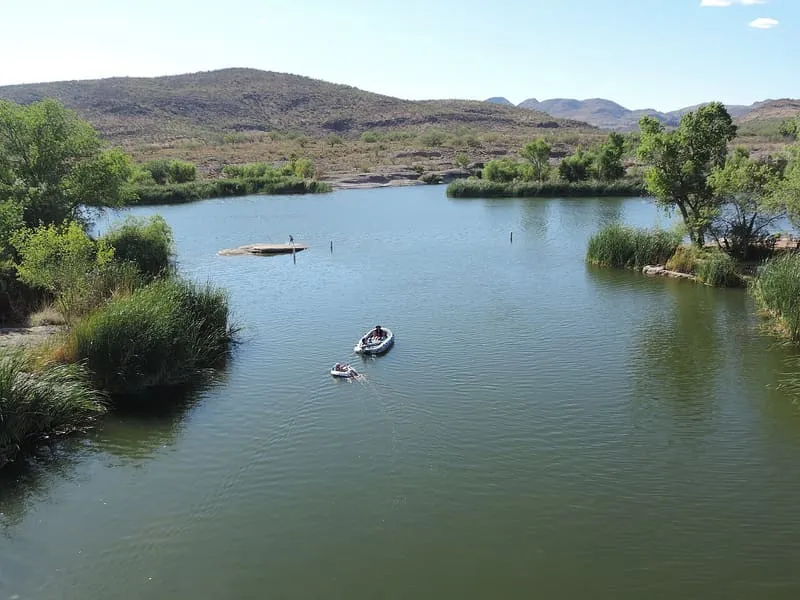
Patagonia Lake State Park is an Arizona state park on State Route 82, seven miles south of Patagonia, built around the 250-acre Patagonia Lake. The lake is two and a half miles long and was created by damming Sonoita Creek. It supports reproducing largemouth bass, black crappie, bluegill, green sunfish, flathead catfish, threadfin shad, redear sunfish and channel catfish, and rainbow trout are stocked every three weeks from October to March. The park is used for fishing, camping, boating, picnicking, hiking and birding, and contains the Sonoita Creek State Natural Area, the first major state natural area in Arizona. It recorded 235,502 visits in 2024.
Patagonia Lake State Park is a state park near Patagonia, in Santa Cruz County. It is one of the state parks in this database, and appears in the statewide ranking of Arizona attractions.
The score combines the published visitor count with public interest and tourism significance, which is what earns it high confidence. The weighting is explained in full on the methodology page, and every axis is broken out under Facts and sources at the foot of this page.
Record last verified 2026-08-12.
5.2 miles away
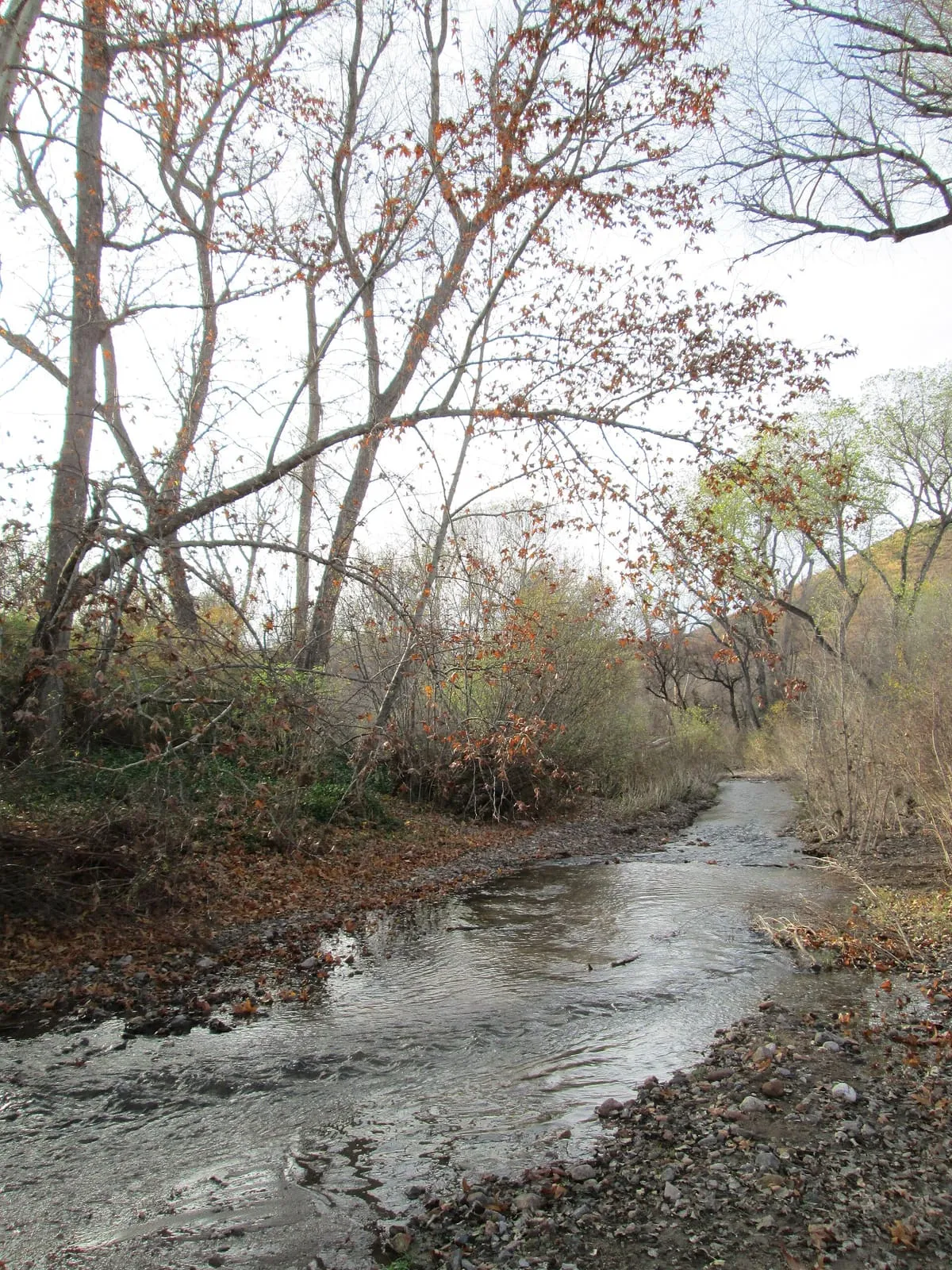
6.0 miles away
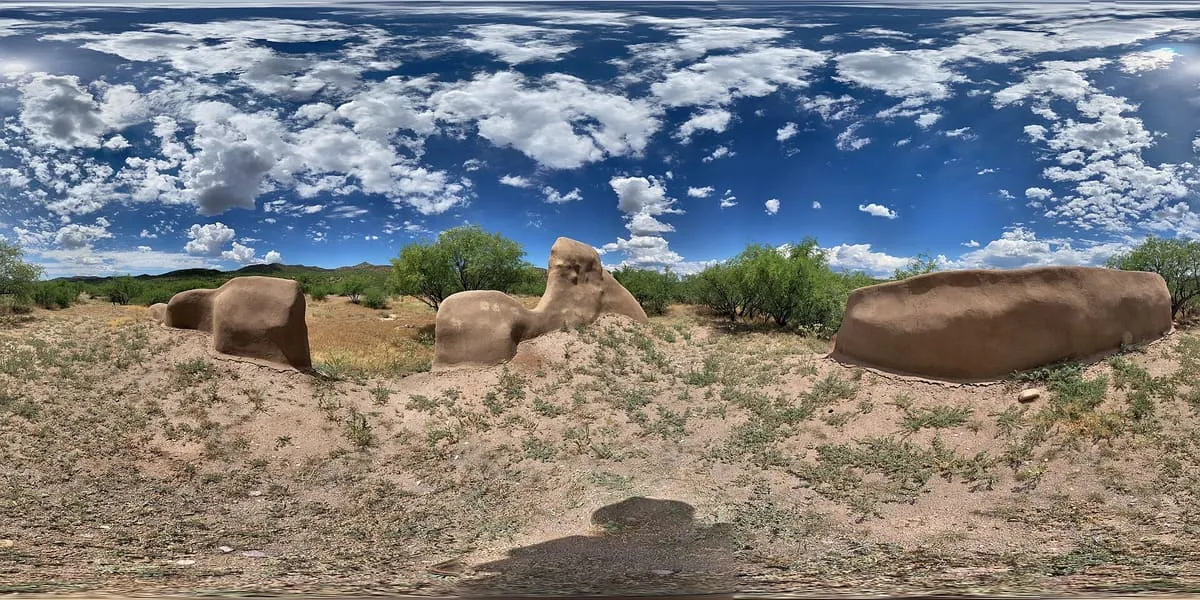
6.5 miles away
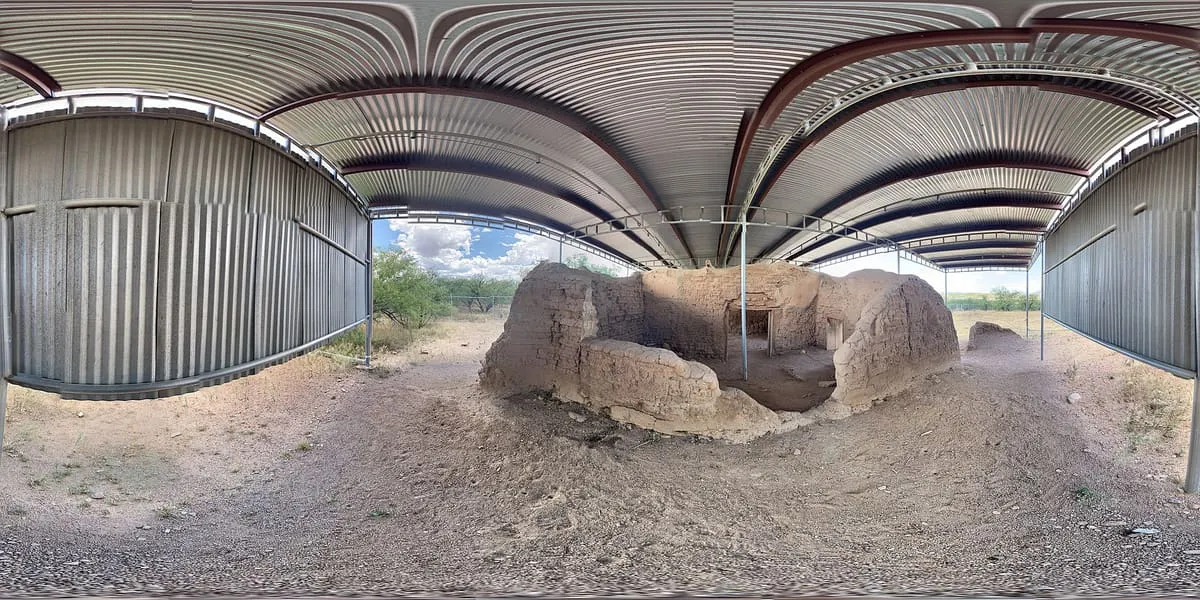
6.8 miles away
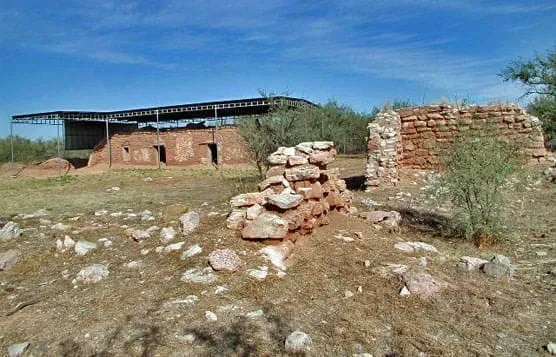
7.4 miles away
8.7 miles away