0.1 miles away
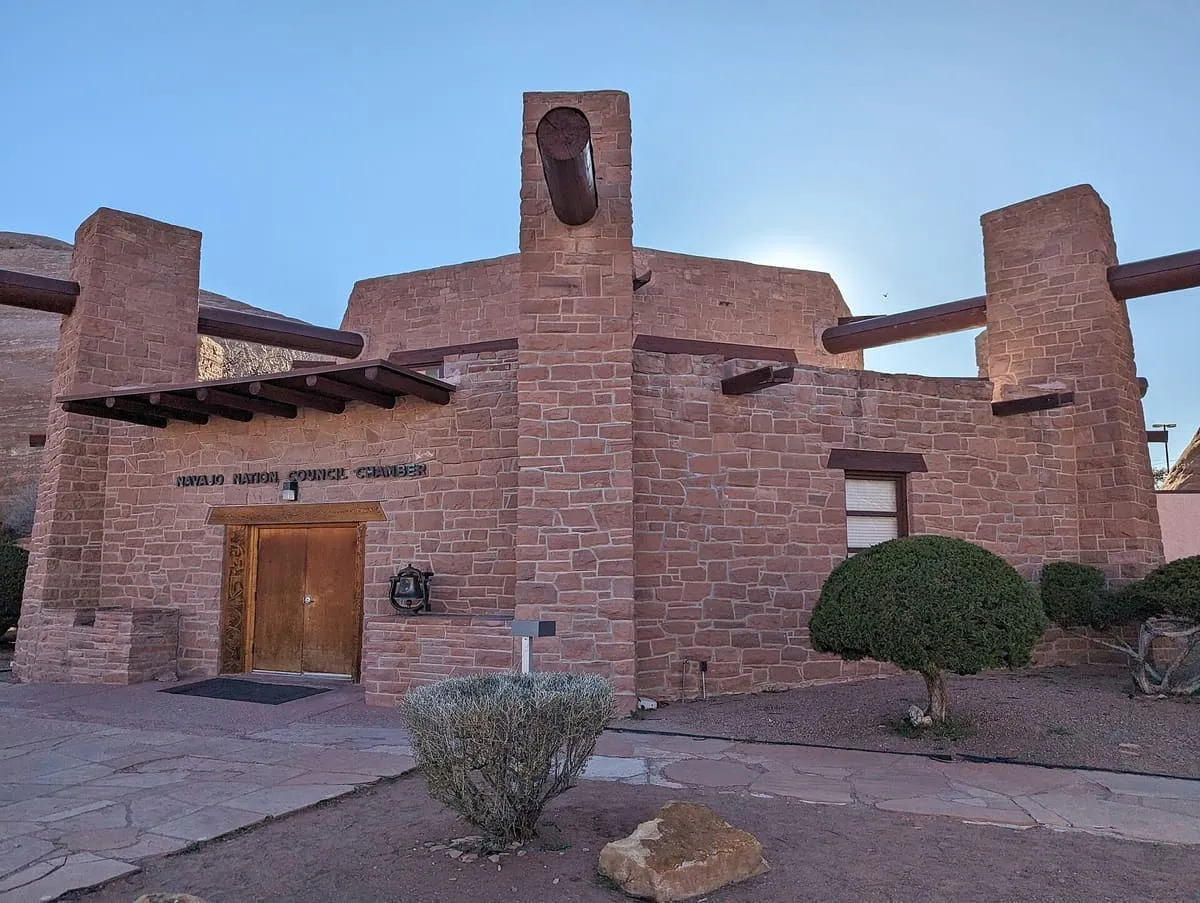
Navajo Nation Council Chamber
The seat of government of the Navajo Nation at Window Rock, a red sandstone building declared a National Historic Landmark in 2004.
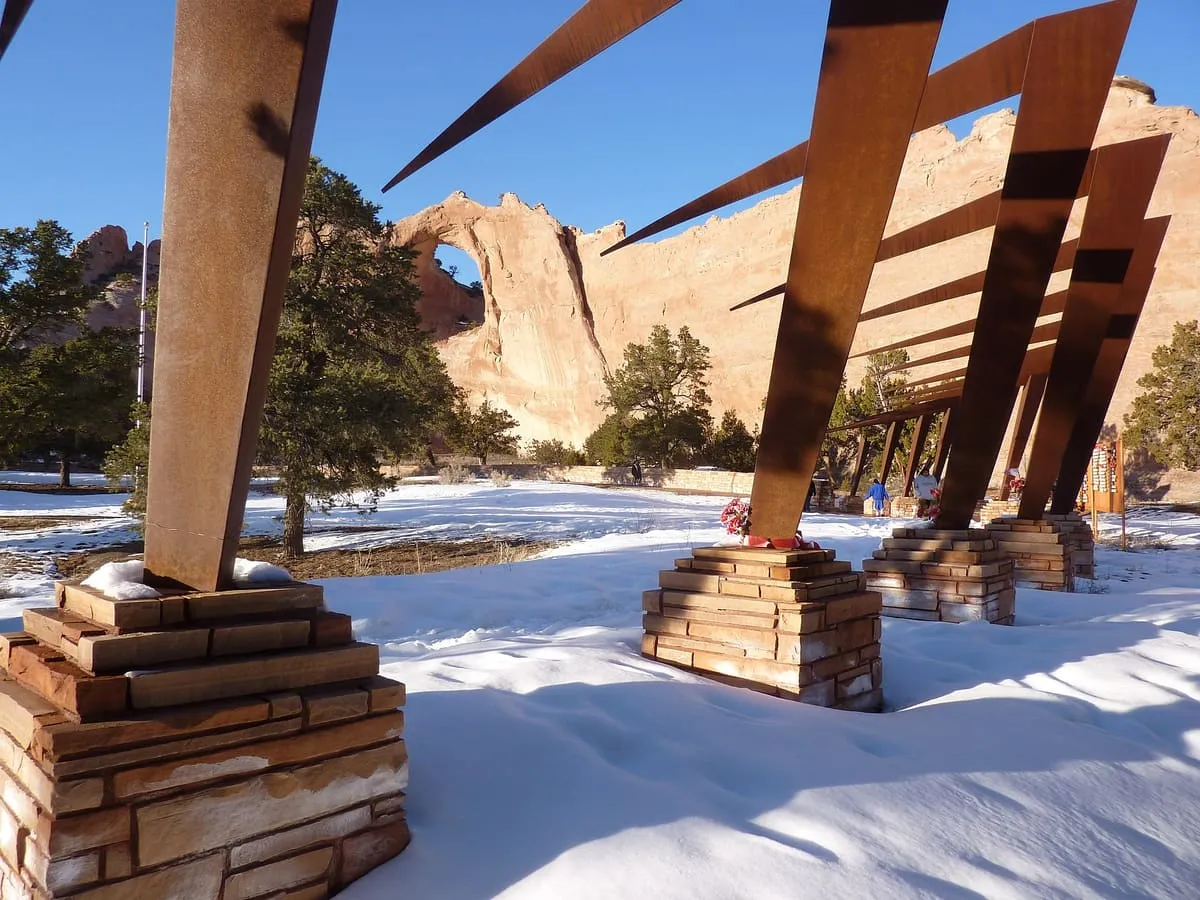
Window Rock Tribal Park and Veteran's Memorial, in Window Rock, Arizona, features the namesake sandstone arch and a memorial to Navajo US military veterans.
Window Rock Tribal Park and Veteran's Memorial is a historic site in Window Rock, Apache County, Arizona, a small park featuring the red sandstone window rock that gave the town its name. Its veterans' memorial honours Navajos who served in the US military.
Window Rock Tribal Park and Veteran's Memorial is a historic site near Window Rock, in Apache County. It is one of the historic sites in this database, and appears in the statewide ranking of Arizona attractions.
No official visitor count is published for Window Rock Tribal Park and Veteran's Memorial, so its score rests on public interest and tourism significance, and is capped below the level a measured attraction can reach. That is why the low confidence above is not higher. The weighting is explained in full on the methodology page, and every axis is broken out under Facts and sources at the foot of this page.
Note on the data: No official visitor count is published for this attraction.
Record last verified 2026-08-12.
0.1 miles away
1.2 miles away
28 miles away
29 miles away
30 miles away
42 miles away