12 miles away
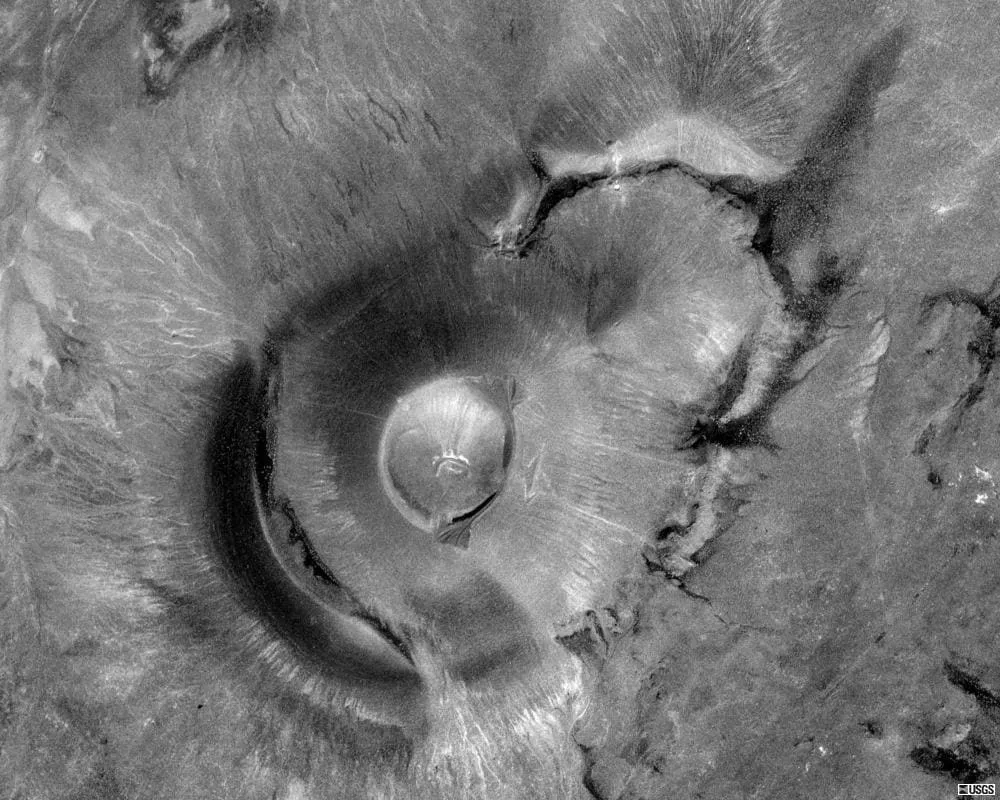
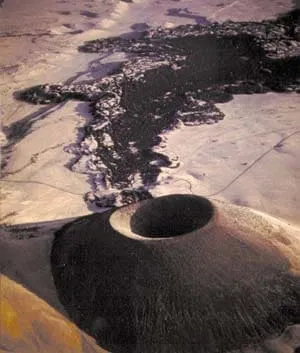
Roden Crater
An extinct volcanic cinder cone with an interior crater, standing about 50 miles north-east of Flagstaff in northern Arizona.
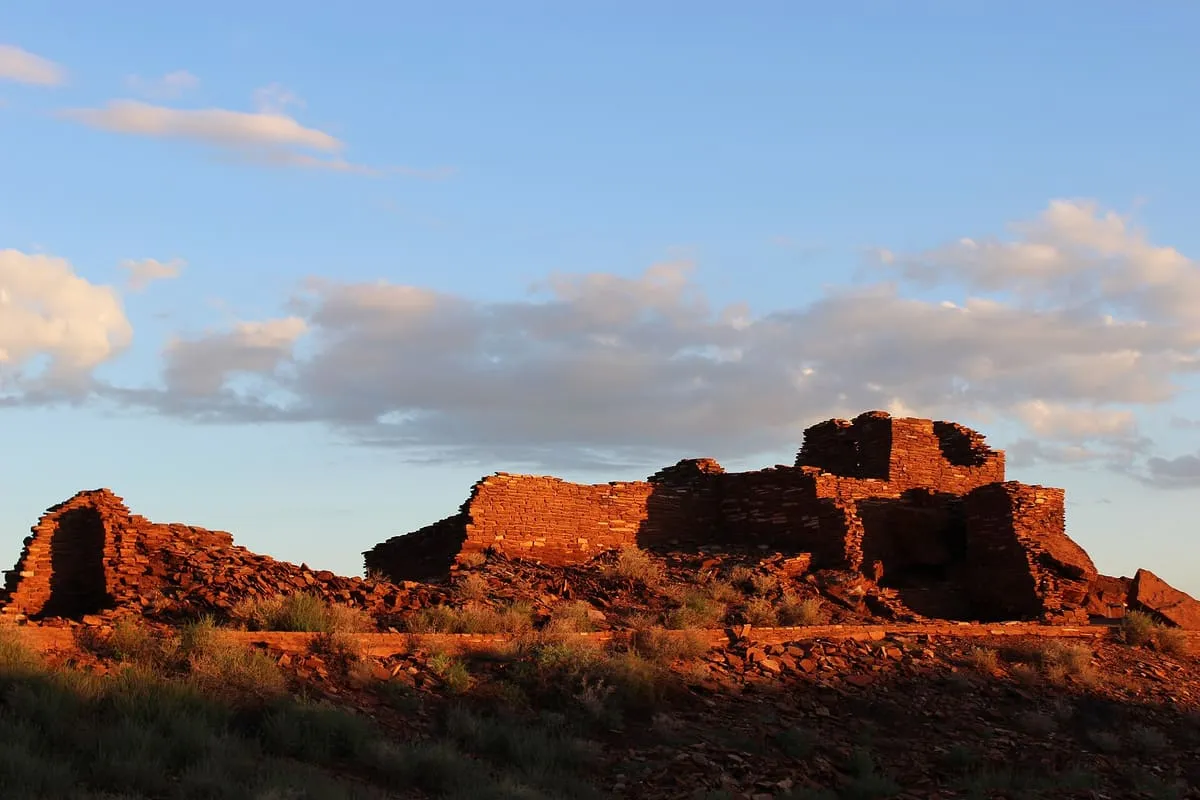
Red sandstone pueblos built by ancestral Puebloan farmers near Flagstaff, including a hundred-room great house.
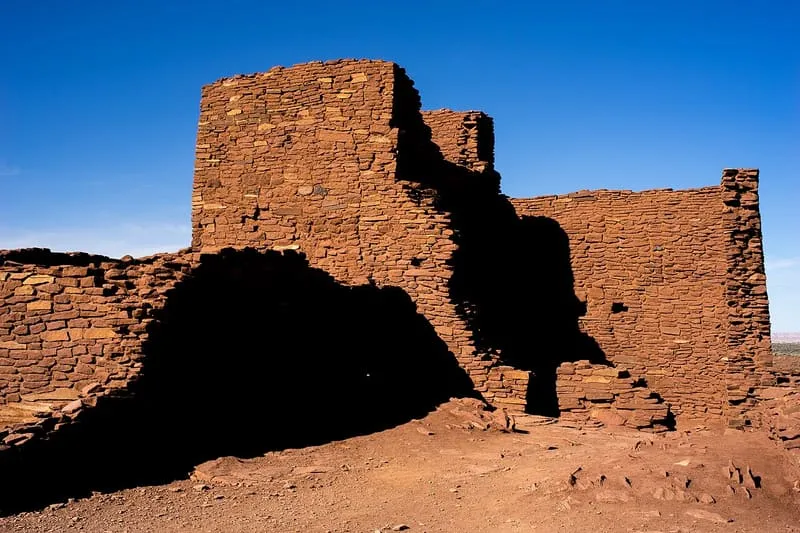
Wupatki National Monument is a national monument in north-central Arizona near Flagstaff, administered by the National Park Service in close conjunction with the nearby Sunset Crater Volcano National Monument. It was established in 1924 and listed on the National Register of Historic Places on 15 October 1966, the listing covering three contributing buildings and 29 contributing structures across 35,422 acres. The monument is rich in Native American archaeological sites, among them red sandstone pueblos built by ancestral Puebloan farmers in the twelfth century, including a hundred-room great house with a ballcourt and a geological blowhole. It recorded 220,205 recreation visits in 2024.
Wupatki National Monument is a national monument near Flagstaff, in Coconino County. It is one of the national monuments in this database, and appears in the statewide ranking of Arizona attractions.
The score combines the published visitor count with public interest and tourism significance, which is what earns it high confidence. The weighting is explained in full on the methodology page, and every axis is broken out under Facts and sources at the foot of this page.
Note on the data: The 2025 series reports zero recreation visits for month 10, a reporting gap rather than a measured figure, so 2024 is used as the reference year.
Record last verified 2026-08-12.
12 miles away
13 miles away
14 miles away
15 miles away
22 miles away
23 miles away