Home Cities Flagstaff 28 attractions
1 Score 61.0 out of 100 61.0
Observatory
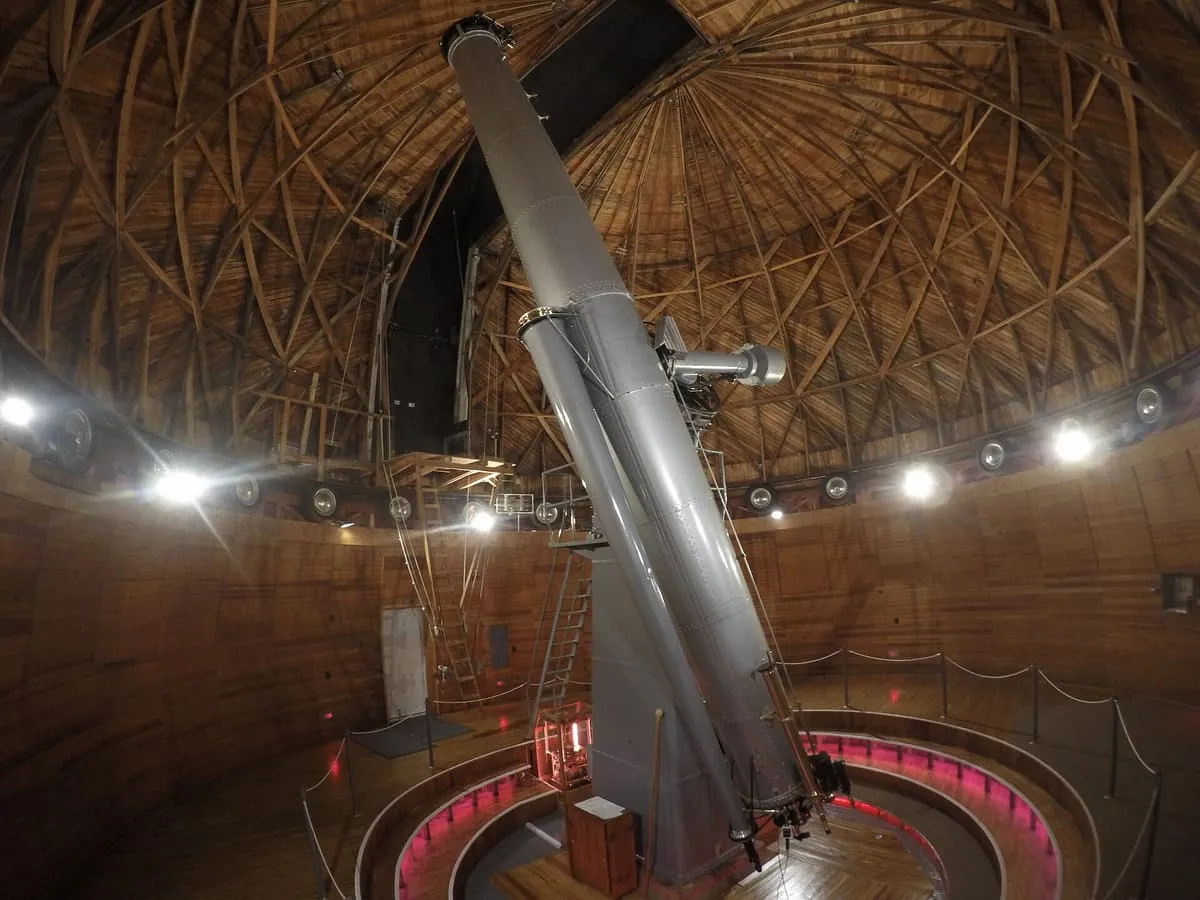
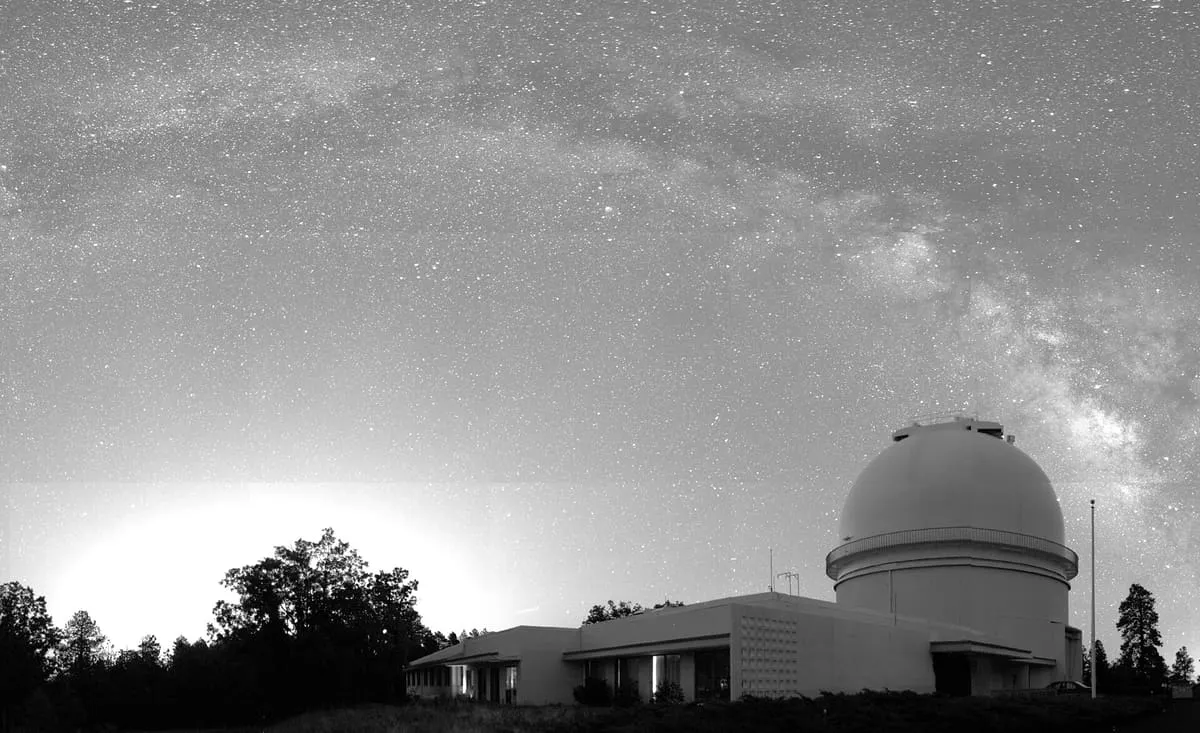
The Flagstaff observatory where Pluto was discovered in 1930, founded in 1894 and still open for public observing.
2 Score 59.4 out of 100 59.4
Natural Landmark
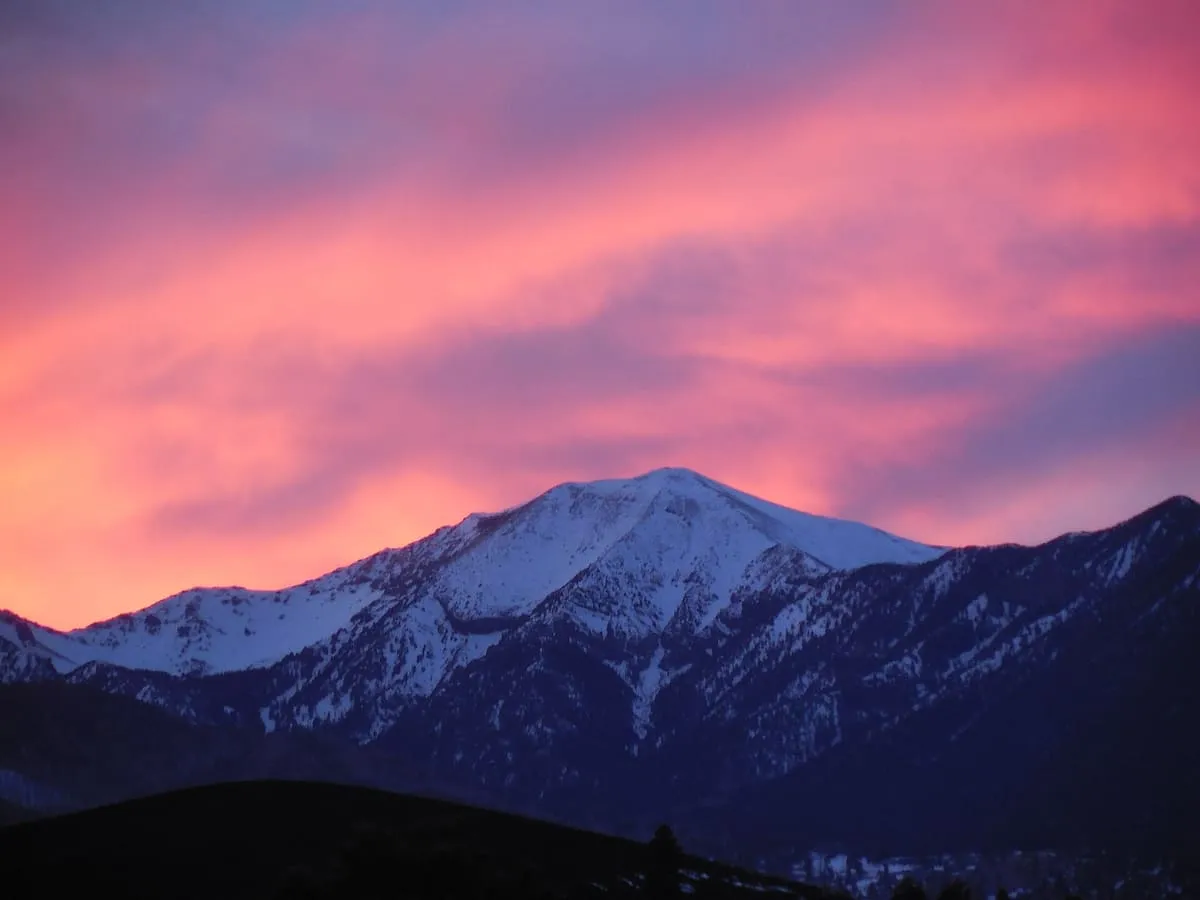
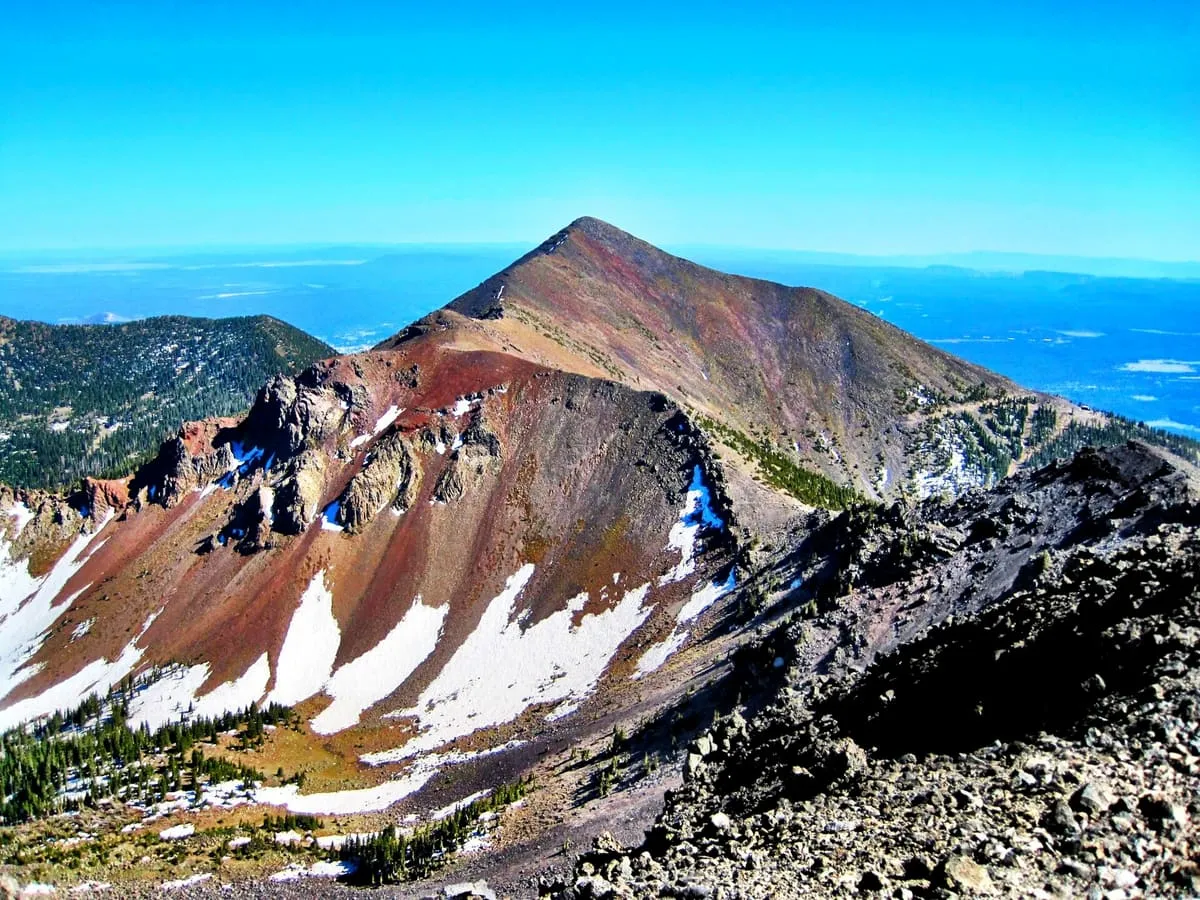
A volcanic range north of Flagstaff, crowned by Humphreys Peak at 12,633 feet, the highest point in Arizona.
3 Score 57.2 out of 100 57.2
Natural Landmark
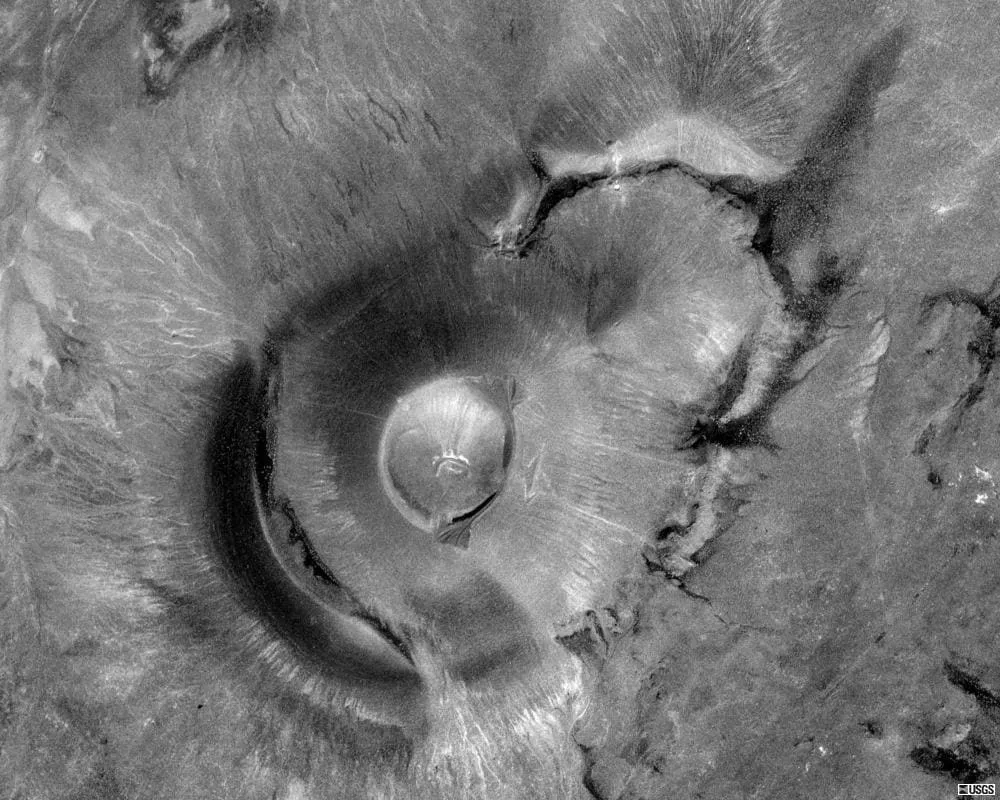
An extinct volcanic cinder cone with an interior crater, standing about 50 miles north-east of Flagstaff in northern Arizona.
4 Score 56.9 out of 100 56.9
National Monument
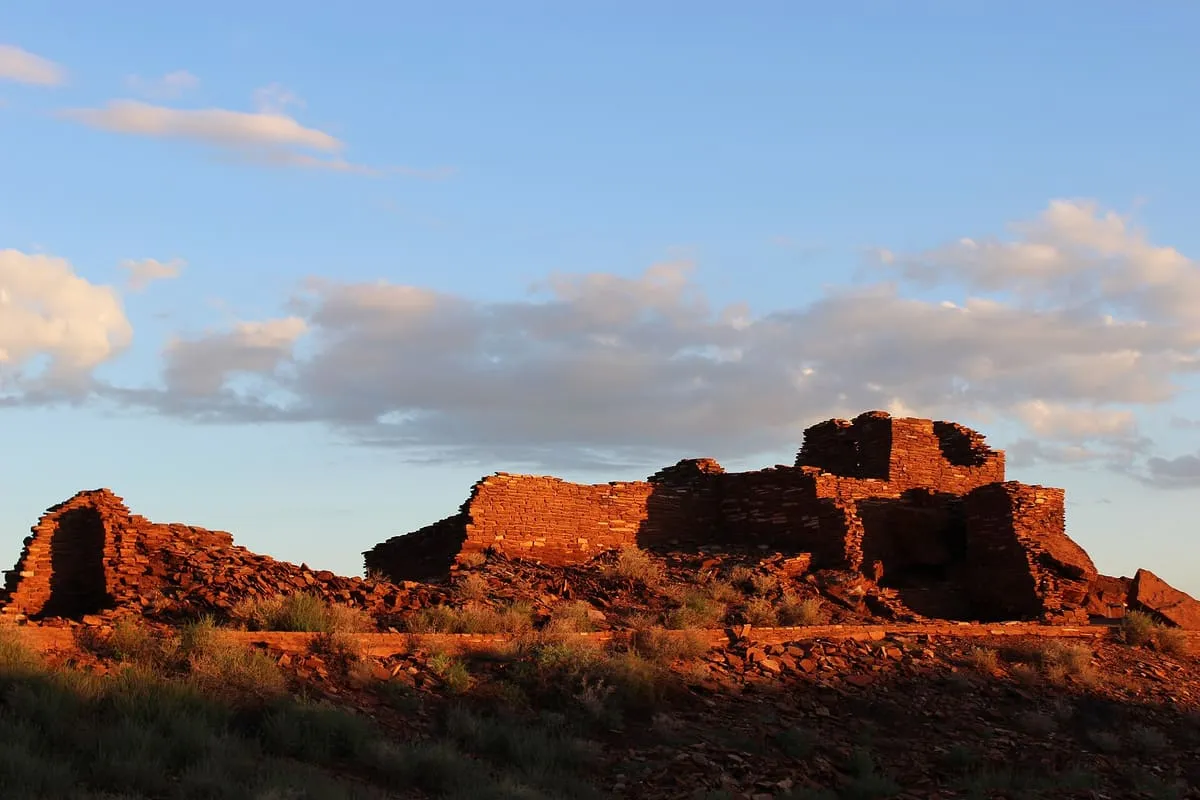
Red sandstone pueblos built by ancestral Puebloan farmers near Flagstaff, including a hundred-room great house.
5 Score 54.7 out of 100 54.7
National Monument
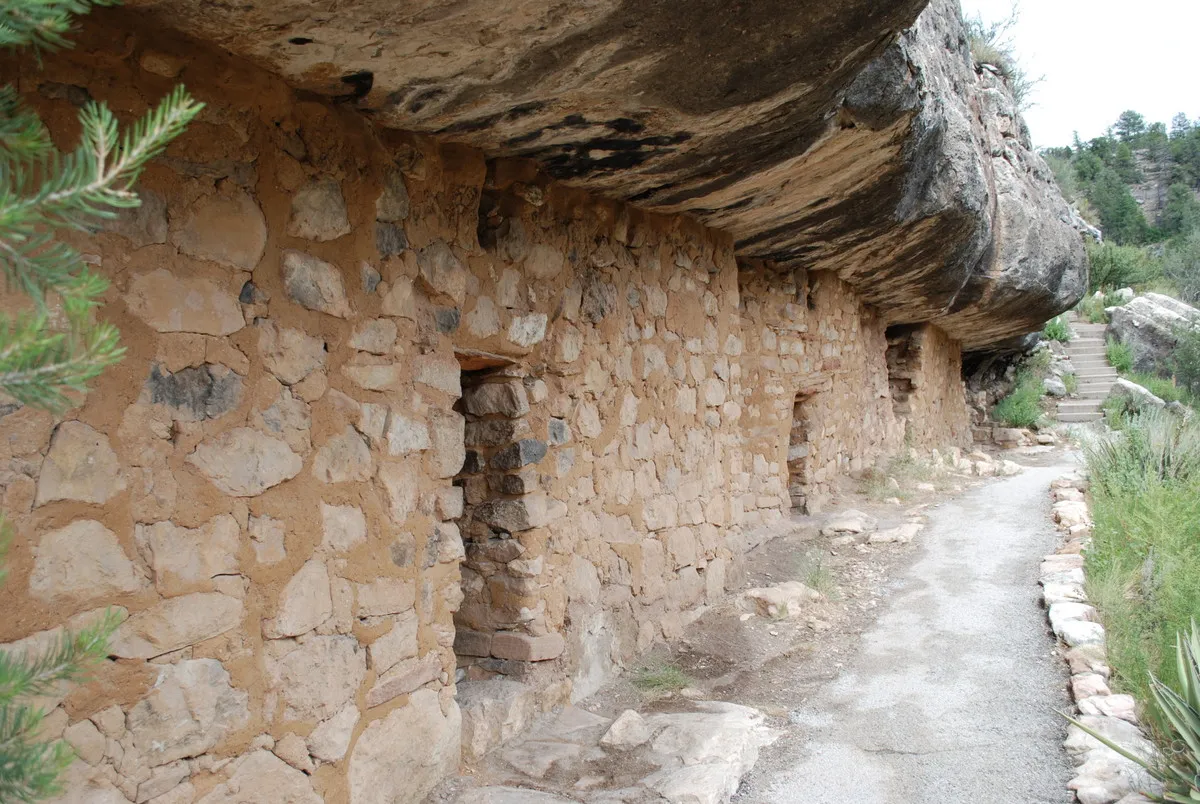
Sinagua cliff dwellings in the ledges of a canyon near Flagstaff, reached by a trail that drops 185 feet.
6 Score 50.5 out of 100 50.5
National Monument
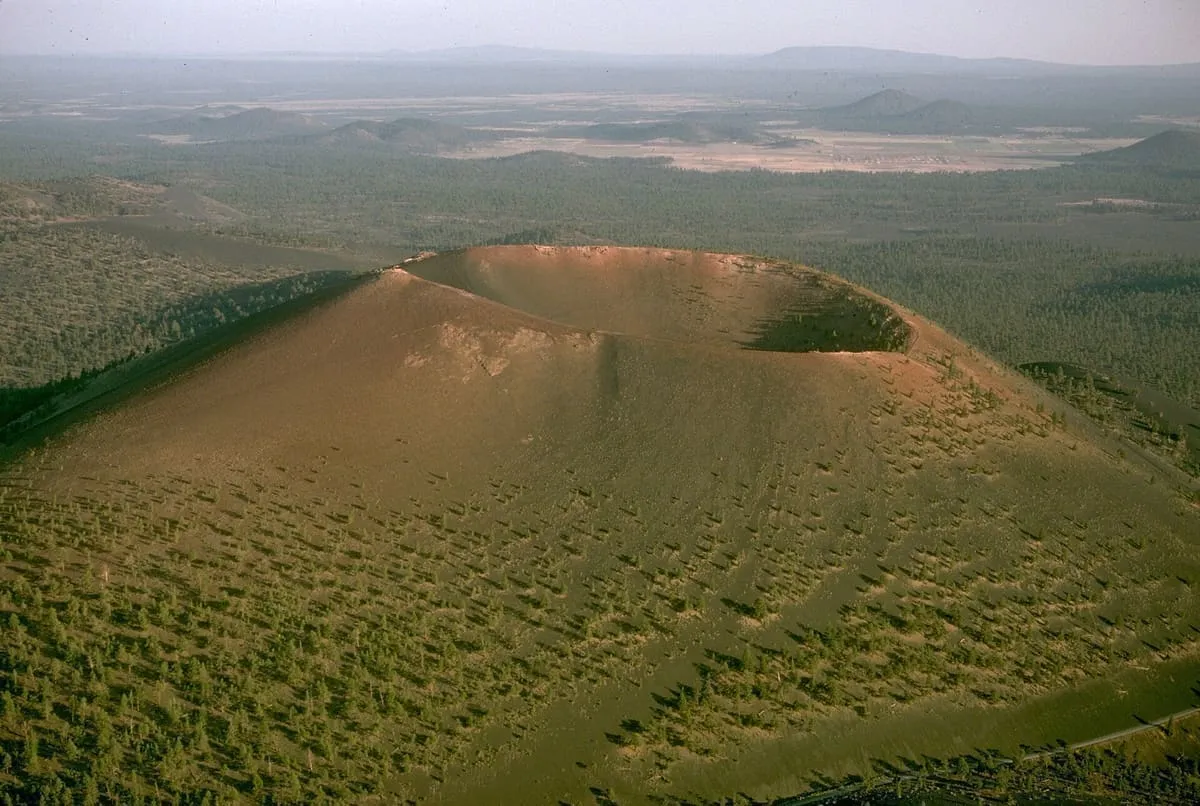
The youngest volcano in the San Francisco volcanic field, erupted around 1085 CE north of Flagstaff.
7 Score 50.1 out of 100 50.1
Waterfall
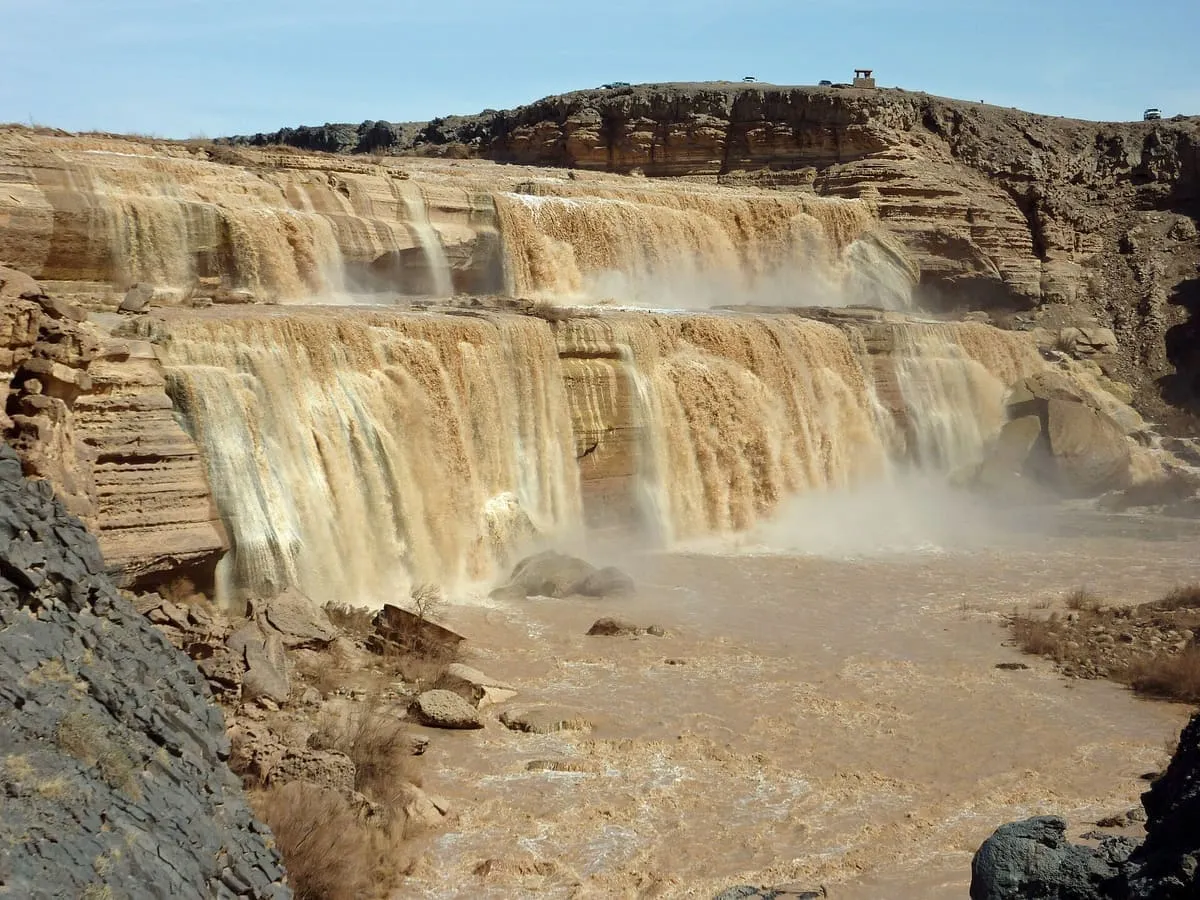
A seasonal waterfall on the Little Colorado River near Flagstaff, formed where lava from Merriam Crater dammed the river.
8 Score 47.9 out of 100 47.9
Natural Landmark
A dormant lava dome rising to 9,301 feet above Flagstaff, crossed by Coconino National Forest trails including the Elden Lookout Trail.
9 Score 47.6 out of 100 47.6
Natural Landmark
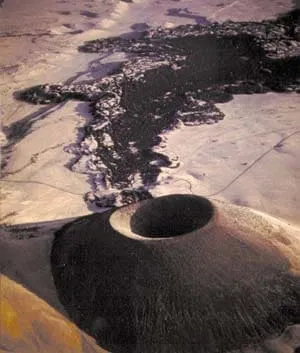
A cinder cone 25 miles north of Flagstaff with a lava flow running 4.3 miles north, used by astronauts to train for moonwalking.
10 Score 47.2 out of 100 47.2
Natural Landmark
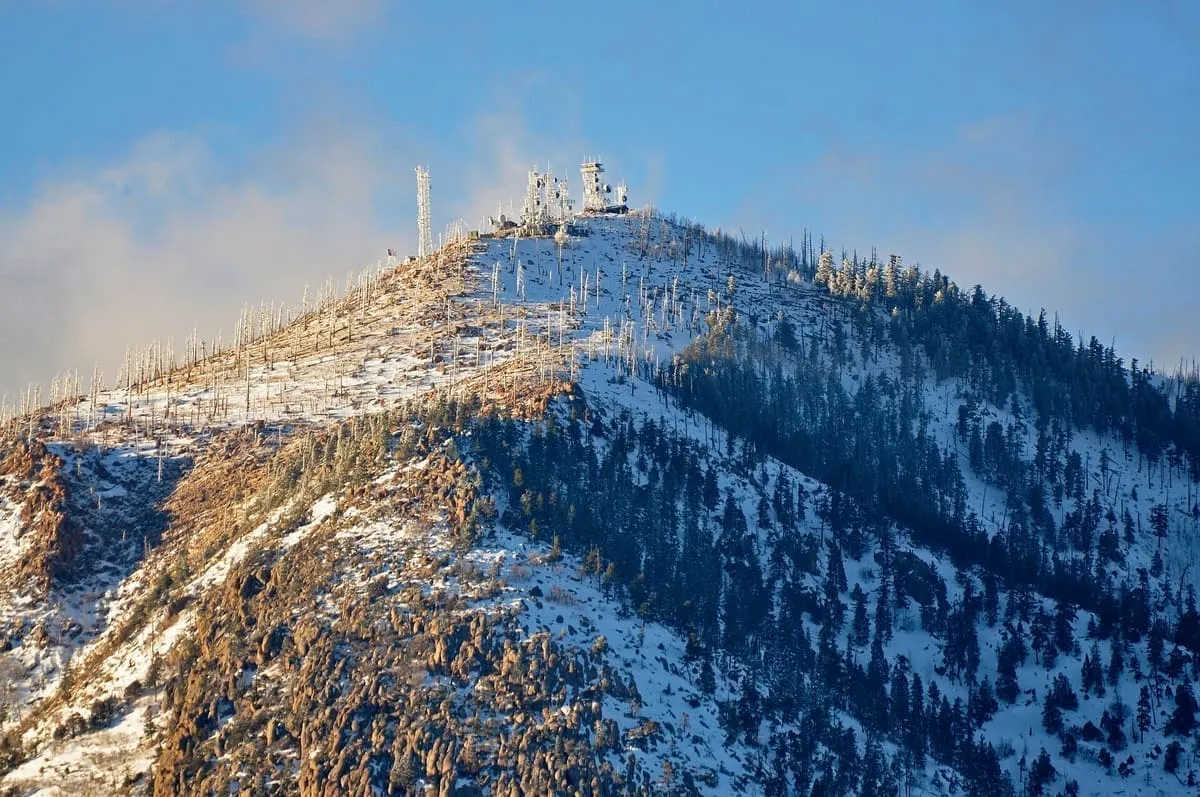
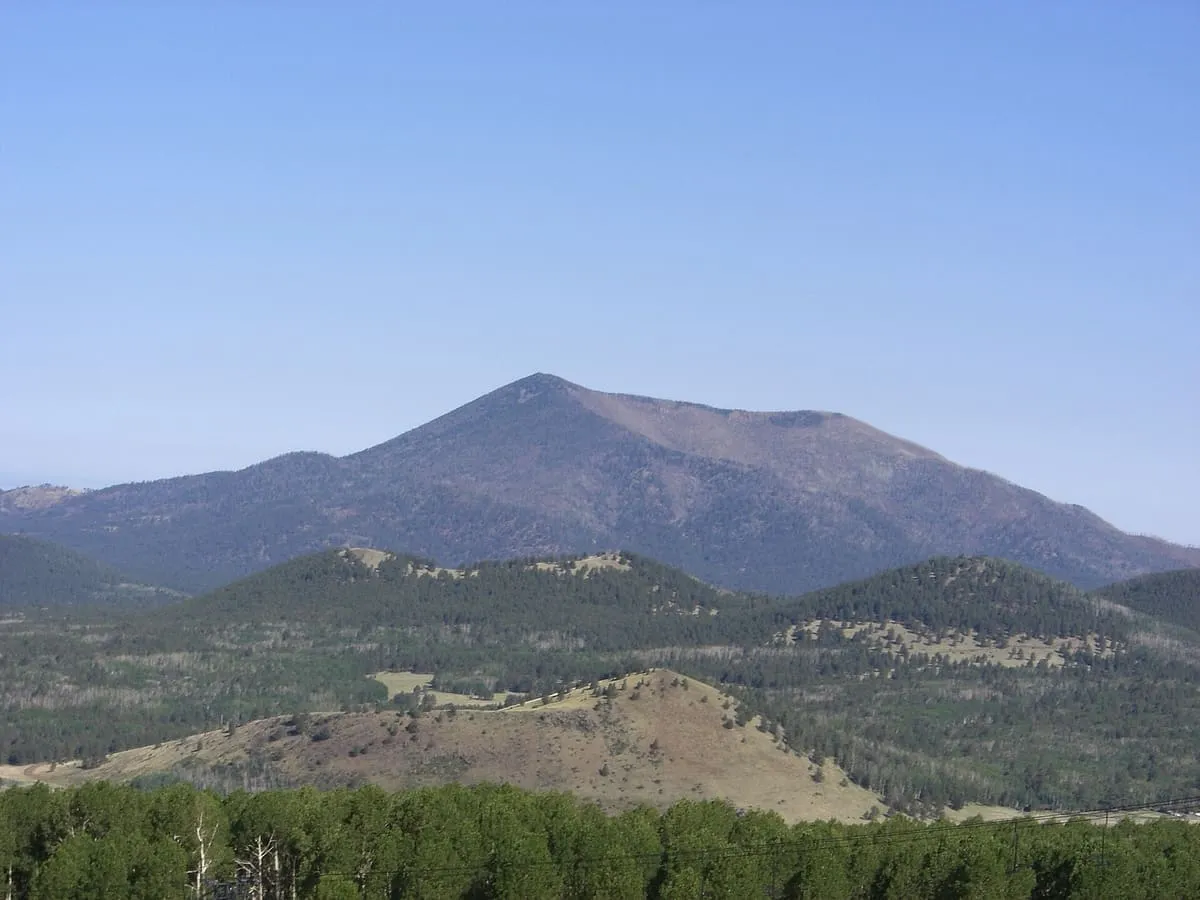
A 10,425-foot lava dome in the San Francisco volcanic field north of Flagstaff, carrying a fire lookout staffed since the early 1900s.
11 Score 45.6 out of 100 45.6
Landmark
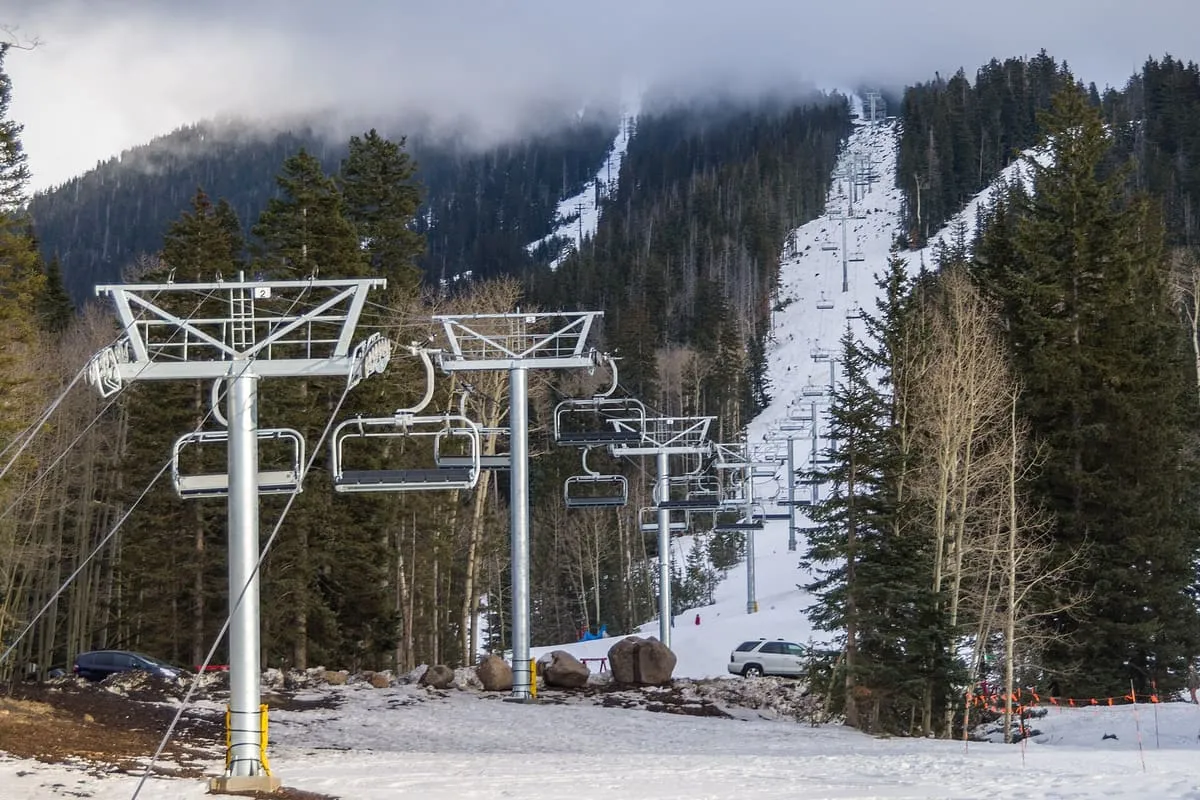
An alpine ski resort on the San Francisco Peaks north of Flagstaff, running since 1938 and with a 2,300-foot vertical drop.
12 Score 45.4 out of 100 45.4
Landmark
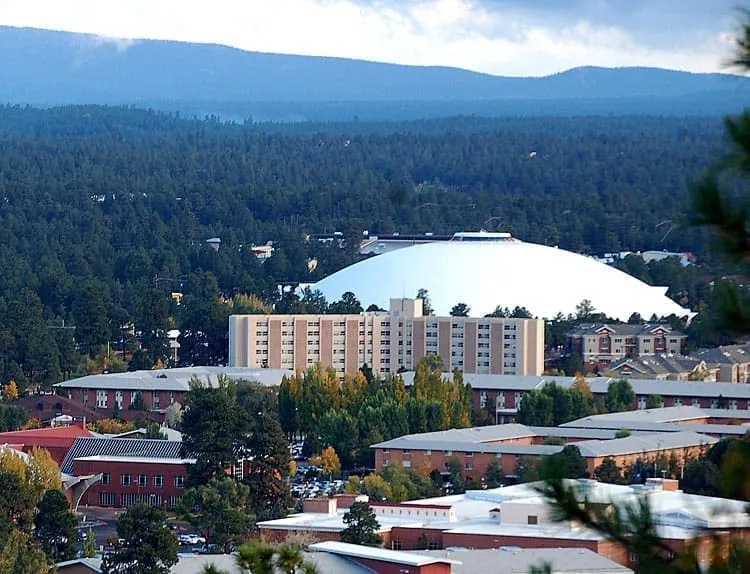
An 11,230-seat indoor stadium at Northern Arizona University in Flagstaff, home to the NAU Lumberjacks.
13 Score 44.6 out of 100 44.6
Historic Site
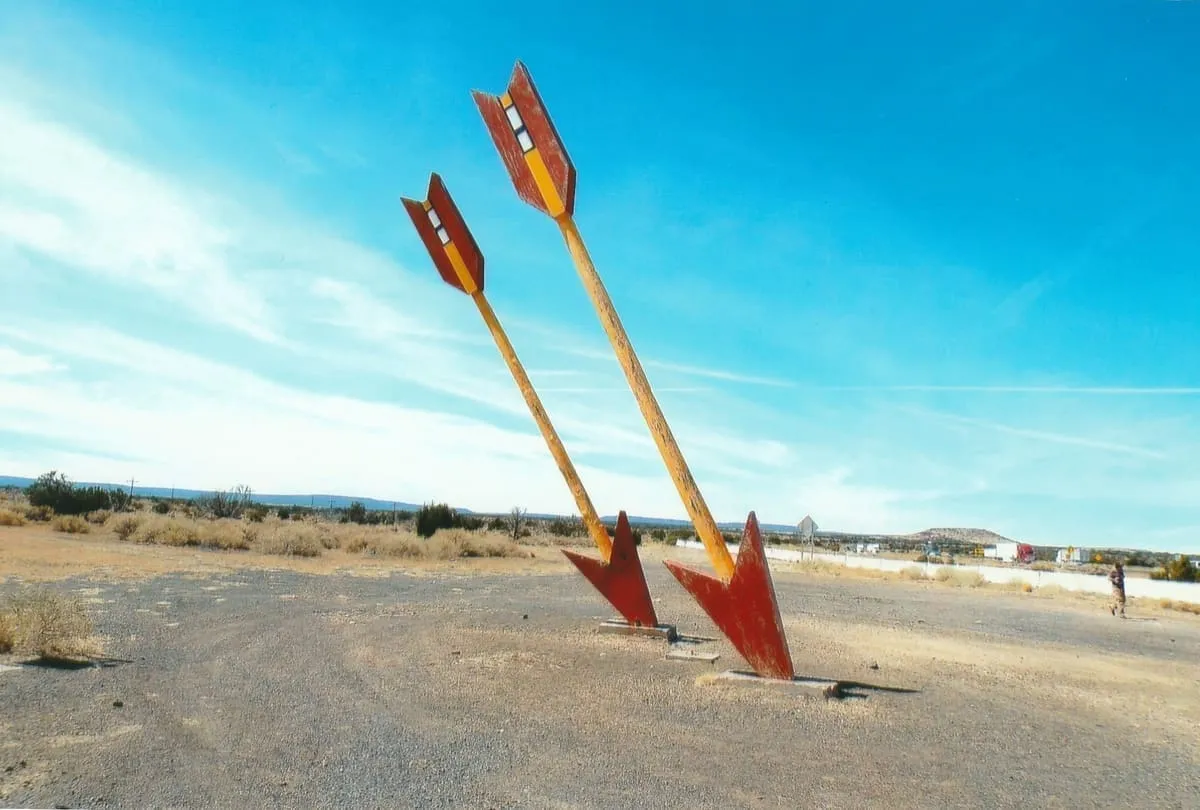
A ghost town on U.S. Route 66 in Coconino County, between the city of Flagstaff and the town of Winslow.
14 Score 42.6 out of 100 42.6
Natural Landmark
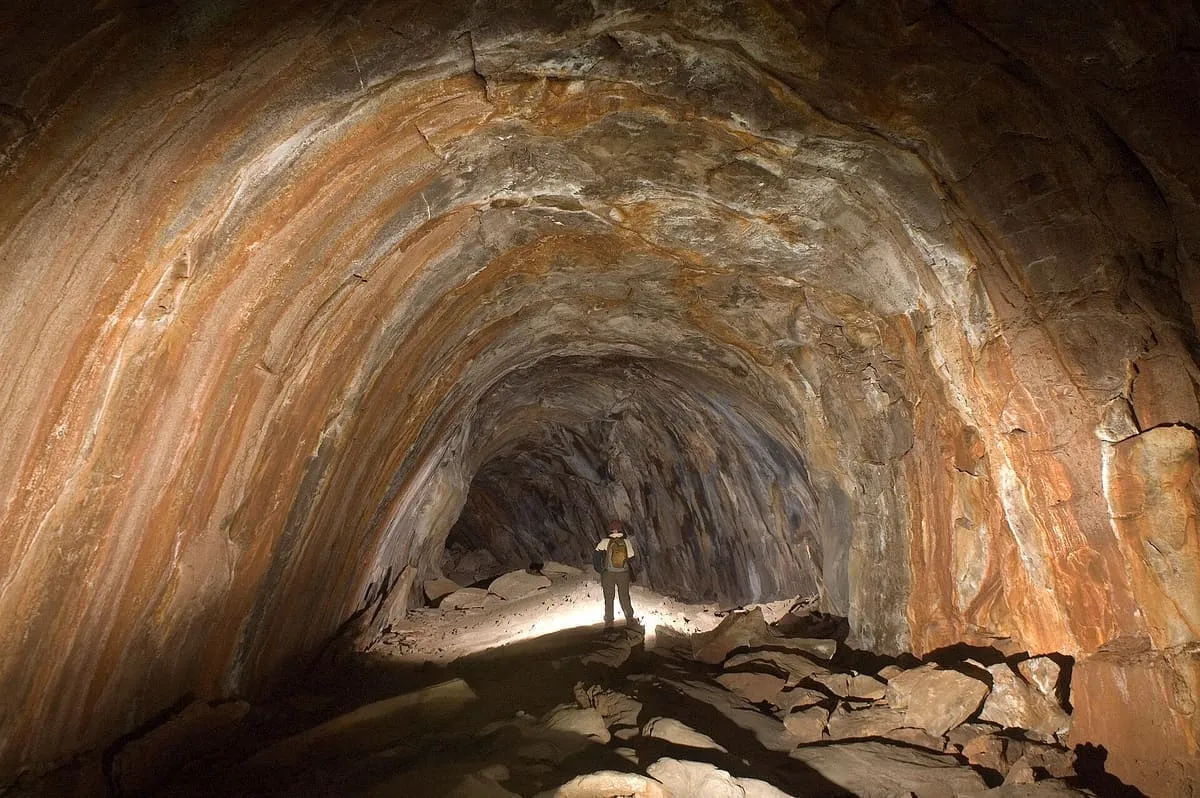
A 0.75-mile lava tube west of Flagstaff, the longest known in Arizona, formed by an eruption 650,000 to 700,000 years ago.
15 Score 42.1 out of 100 42.1
Natural Landmark
Arizona's second-highest mountain at 12,360 feet, north of Flagstaff, open to climbers only in winter when it is under snow.
16 Score 41.4 out of 100 41.4
Museum
A Flagstaff museum founded in 1928, holding Indigenous material and natural history collections from the Colorado Plateau.
17 Score 40.0 out of 100 40.0
Observatory
The national dark-sky observing facility of the United States Naval Observatory, near Flagstaff, and joint manager of the Celestial Reference Frame.
18 Score 39.8 out of 100 39.8
Historic Site
A Coconino County site where 1940s excavations found Hohokam pit houses, though later researchers link finds to the Sinagua instead.
19 Score 32.7 out of 100 32.7
Canyon
A 478-acre Flagstaff preserve of Sinagua petroglyphs, bought by the city in 2012 after decades of community campaigning.
20 Score 30.0 out of 100 30.0
Botanical Garden
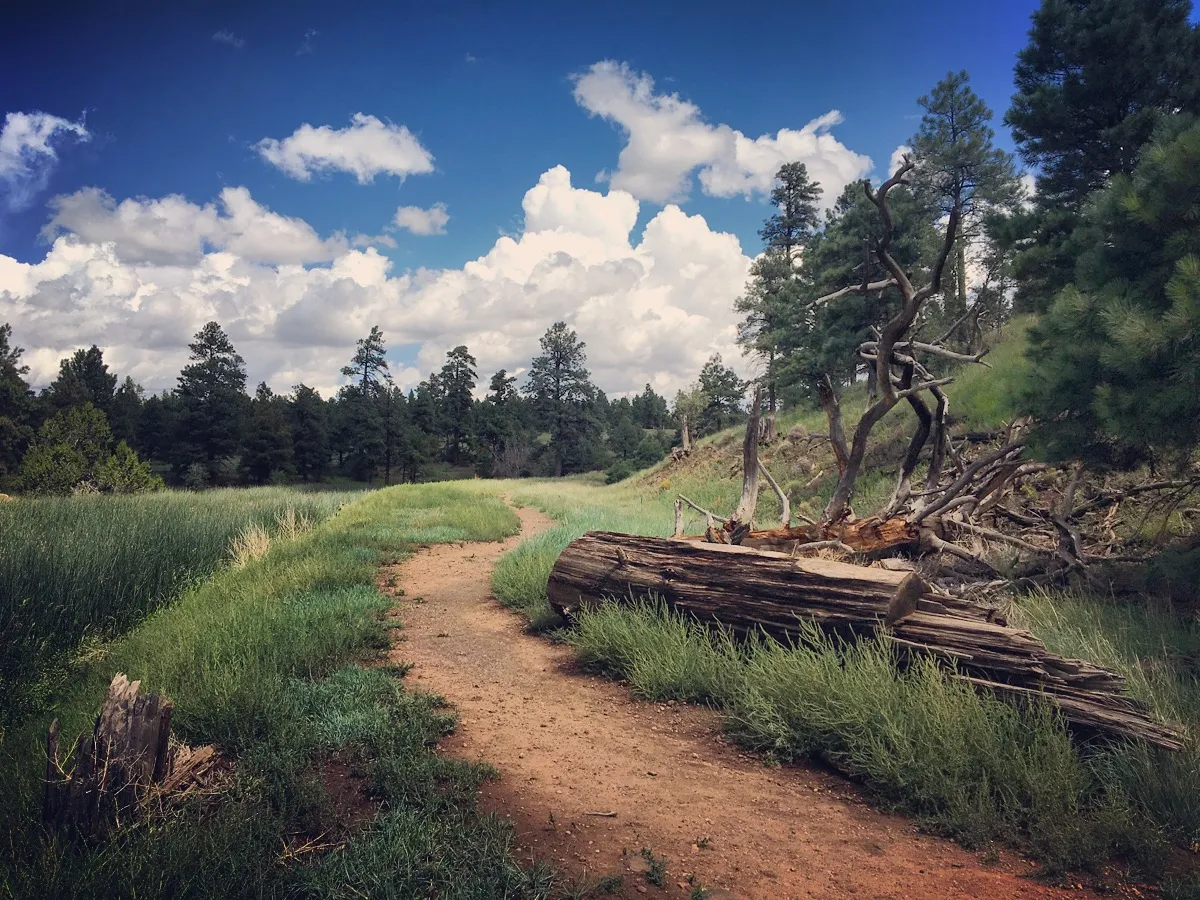
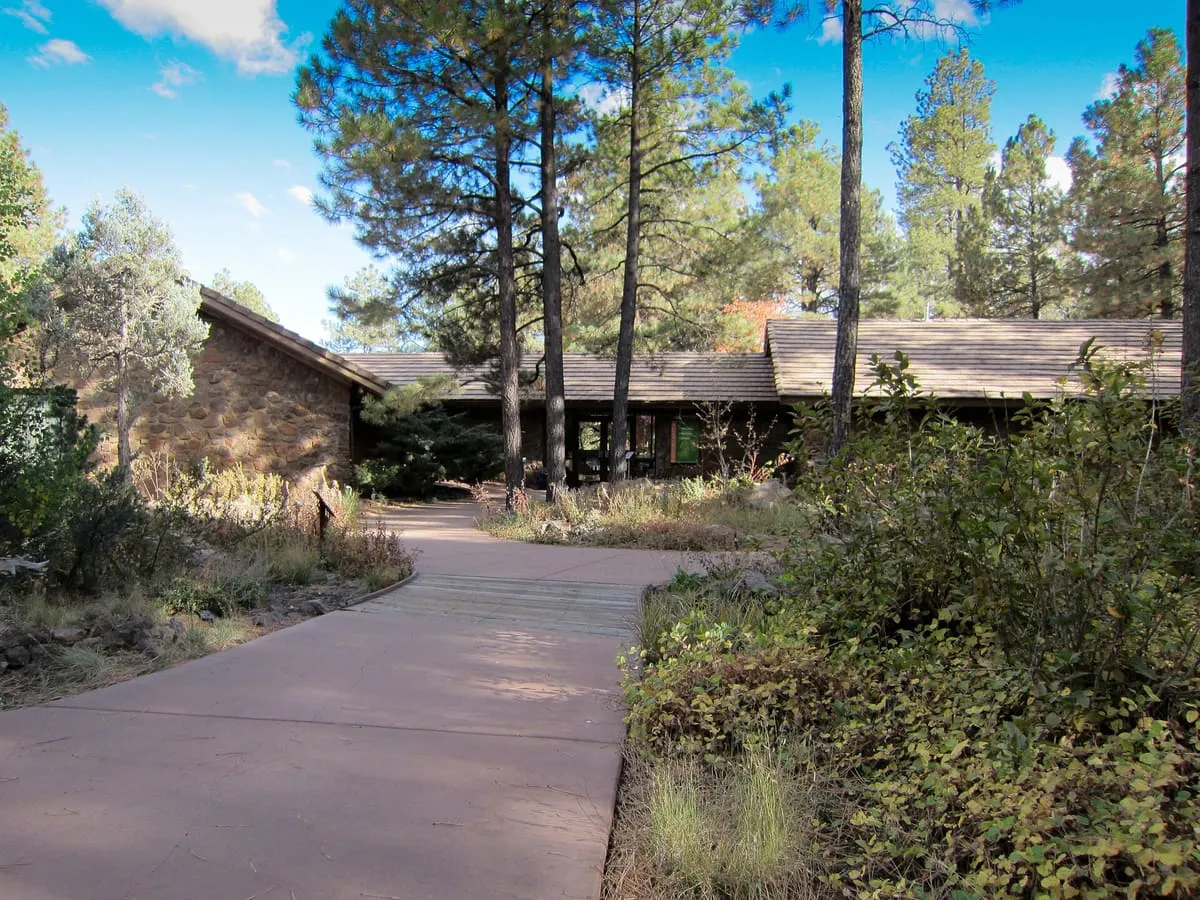
A 7,150-foot botanical garden west of Flagstaff with 750 plant species, endowed in 1981 by donor Frances McAllister.
21 Score 28.4 out of 100 28.4
State Historic Park
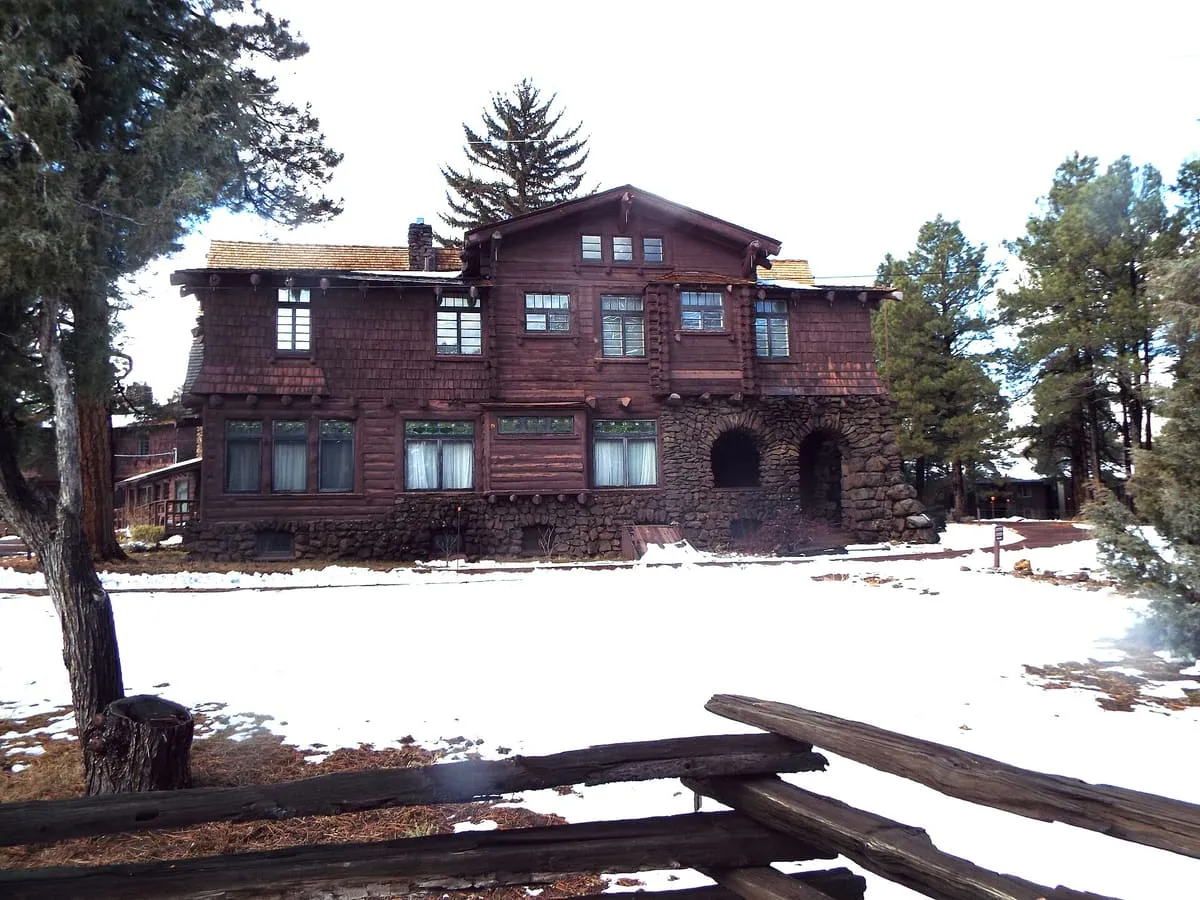
An Arizona state park in Flagstaff preserving the duplex mansion of the lumber barons Timothy and Michael Riordan.
22 Score 25.5 out of 100 25.5
Historic Site
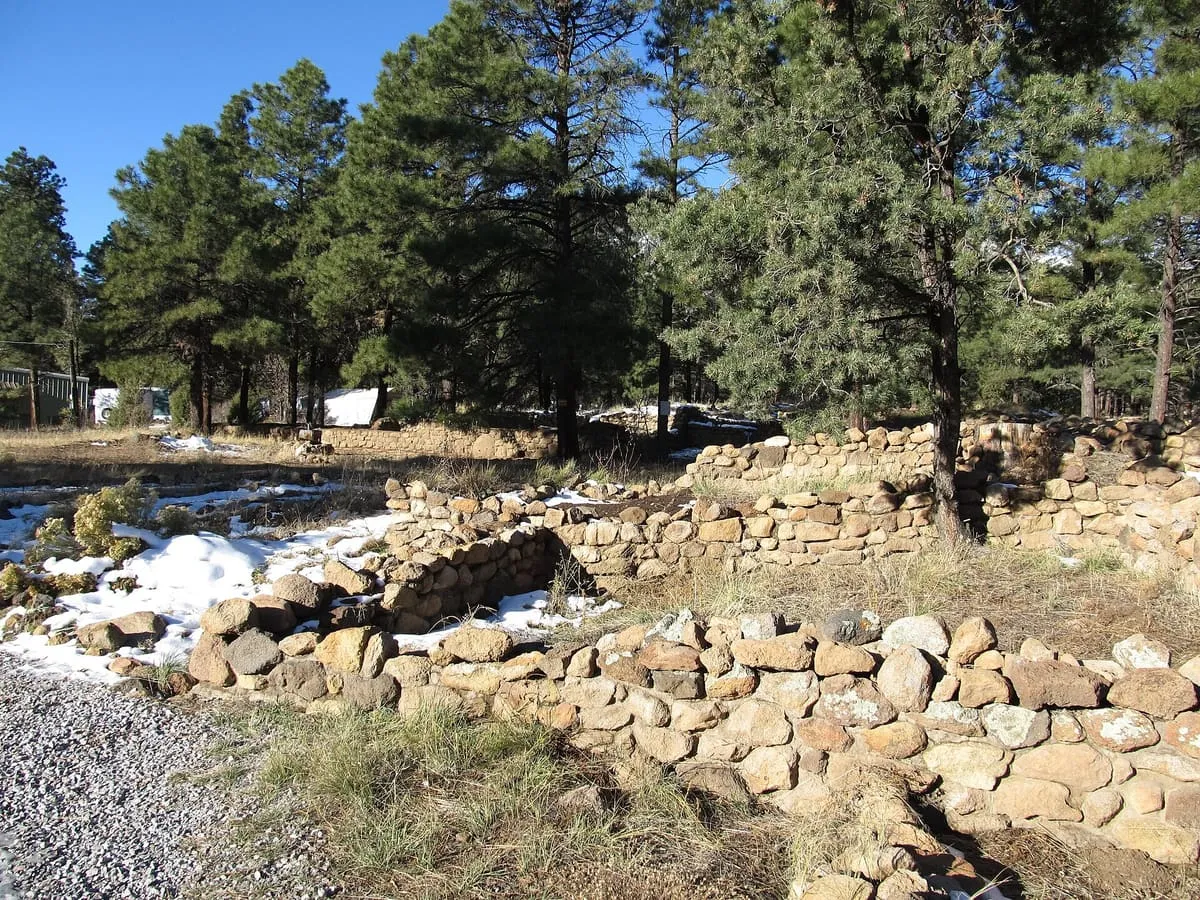
A Sinagua archaeological site in Flagstaff with an interpretive trail, managed by the Coconino National Forest Service for education programs.
23 Score 24.2 out of 100 24.2
Museum
A Flagstaff arts museum described as the largest gallery in northern Arizona, showing local and regional artists' work.
24 Score 24.2 out of 100 24.2
Museum
A small Flagstaff museum in a 1929 former National Guard facility, with displays on regional military history.
25 Score 24.2 out of 100 24.2
Museum
The Northern Arizona University Art Museum, in Flagstaff, Arizona, holds rotating exhibits of local and international art.
26 Score 24.2 out of 100 24.2
Museum
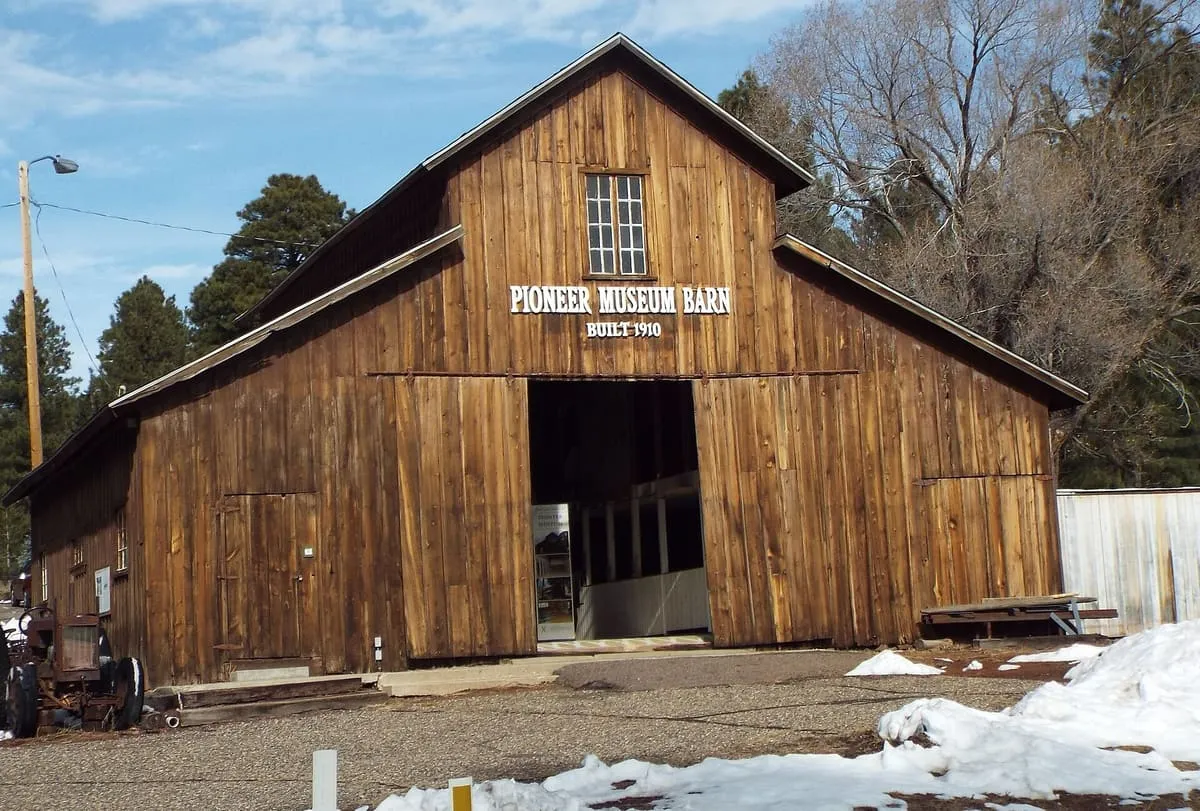
Pioneer Museum, in Flagstaff, Arizona, collects and exhibits artefacts and photographs on the history of Flagstaff and northern Arizona.
27 Score 19.8 out of 100 19.8
Landmark
Flagstaff Extreme Adventure Course is a suspended obstacle course in Flagstaff, Arizona, with more than 70 aerial challenges for children and adults.
28 Score 19.8 out of 100 19.8
Landmark
A Flagstaff-area cross-country ski centre with over 50 km of groomed trails, open for hiking and mountain biking in summer.
About this list Attractions are associated with the nearest recognisable destination rather than by municipal boundary, so a place just outside Flagstaff still appears here if that is how visitors reach it. 4 of these publish an official visitor count, together recording 500,158 visits in their most recent reported year.
Near Flagstaff The closest attractions outside Flagstaff, measured from the places listed above rather than from a town centre nothing occupies.
Browse more nearby: Coconino County · Statewide ranking