Score 51.7 out of 100
Historic Site
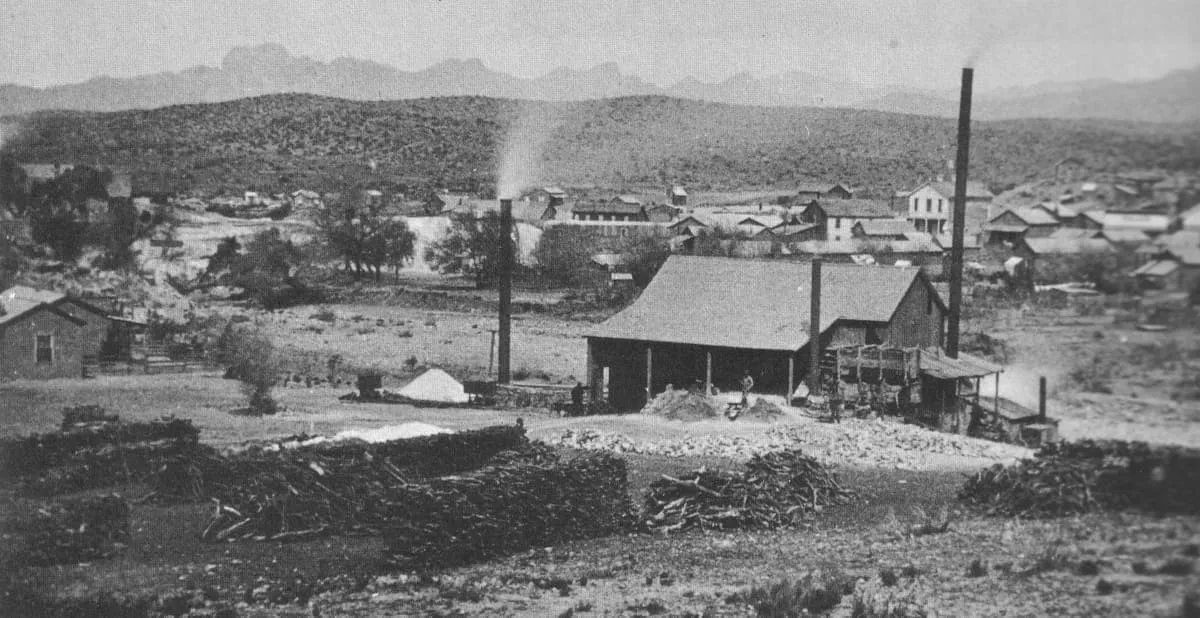
Pinal City
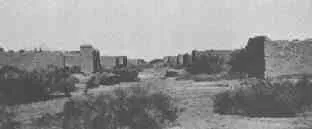
A ghost town in Pinal County, populated from the 1870s into the 1890s, of which only a few foundations remain.
Articles
Not one abandoned settlement in this database records an official visitor figure, yet together they drew 136,163 Wikipedia reads in 2024.
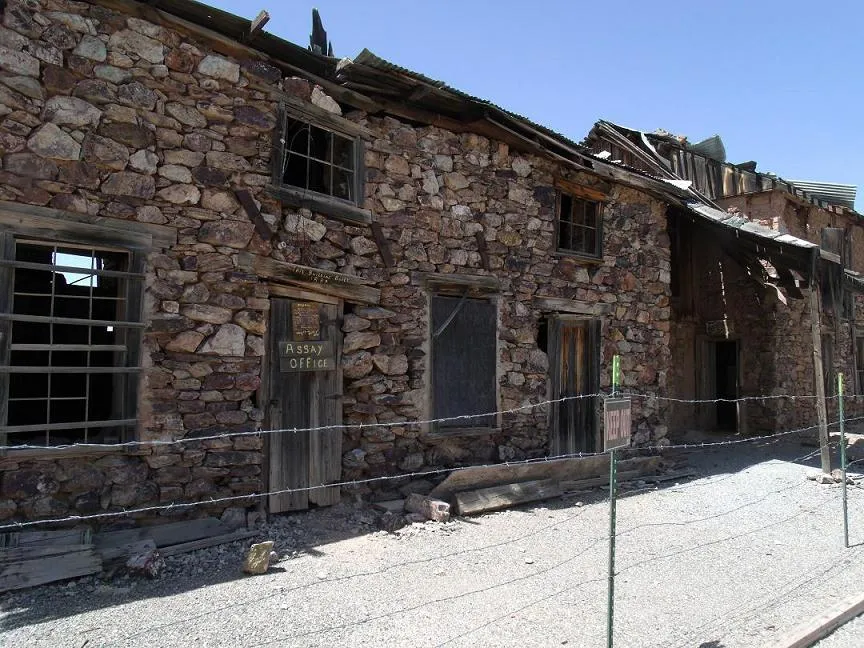
Twenty-seven places in this database are described by their sources as ghost towns. They are spread across twelve of Arizona’s fifteen counties, with five each in Yavapai and Cochise counties and four in Pinal County, and all but one are filed as historic sites.
They have one property in common that no other group of this size shares: not one of them publishes an official visitor count. Not a low count, not an estimate — nothing. Twenty-two of them, meanwhile, recorded measurable Wikipedia readership in 2024, totalling 136,163 reads.
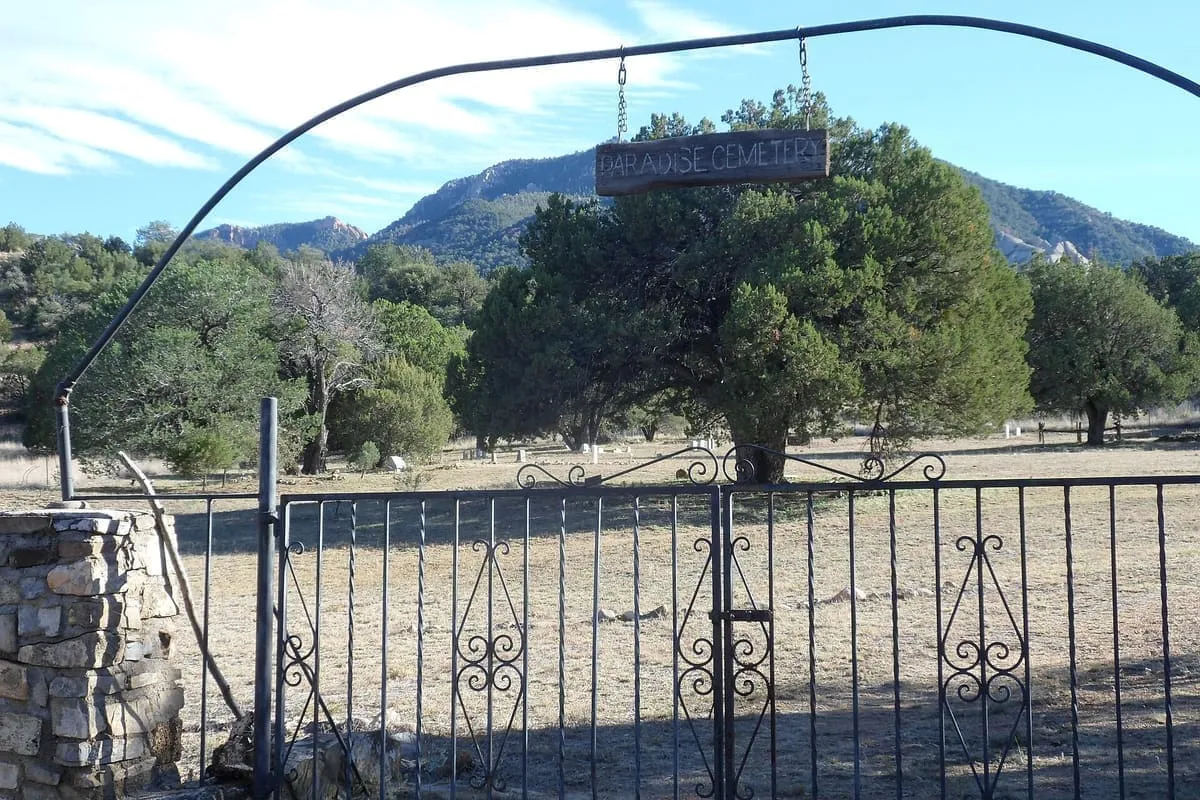
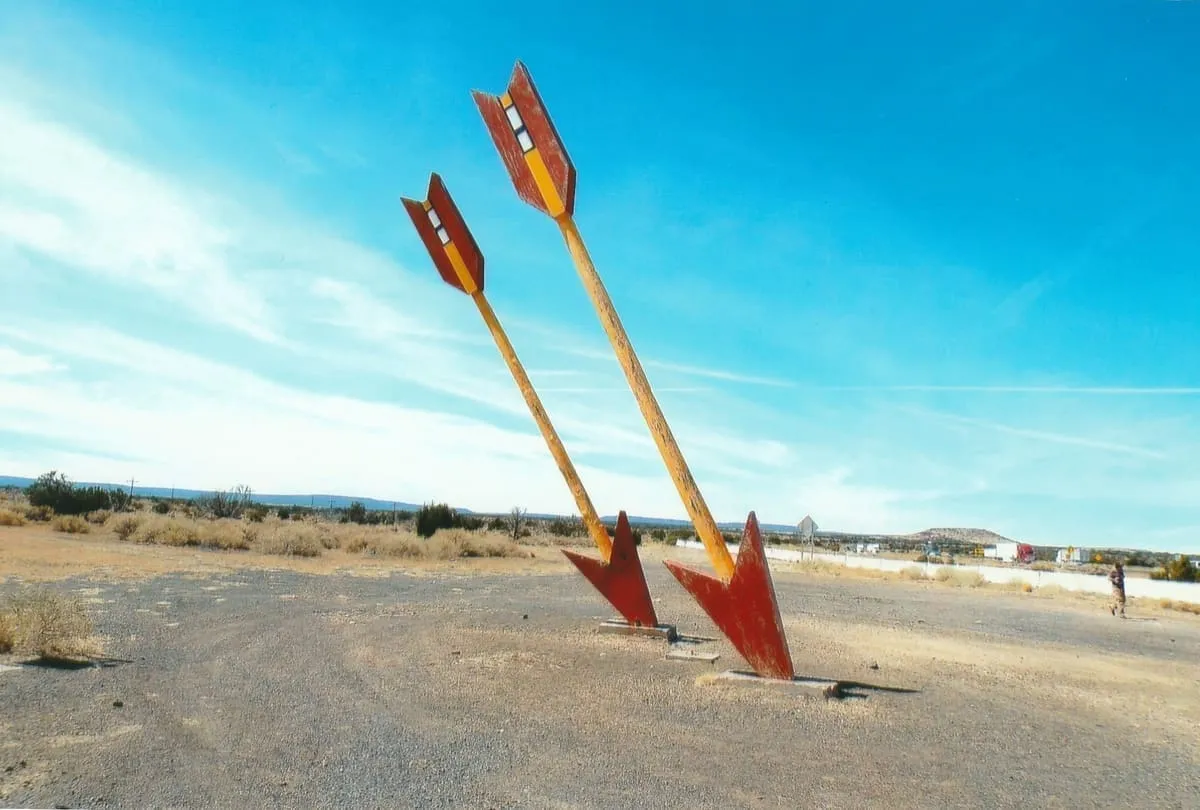
Pinal City in Pinal County was read 16,909 times, more than any other. Charleston in Cochise County follows at 12,986, then Pearce at 11,480 and Paradise at 10,629, both also in Cochise County, and Vulture City in Maricopa County at 10,406. Ruby in Santa Cruz County recorded 9,478, Bumble Bee in the Bradshaw Mountains 6,518 and Twin Arrows, on old Route 66 east of Flagstaff, 6,179.
Five of the twenty-seven have no measurable readership at all. That is not the same as having none: below a certain volume the figures cannot be distinguished from noise, so the database records the absence rather than a small number it cannot stand behind.
The reason the visitation column is empty for all twenty-seven is structural rather than incidental. An annual visitor figure exists because an organisation produces one: the National Park Service publishes its Visitor Use Statistics and the Arizona State Parks system reports through the Arizona Office of Tourism, and both do so because reporting is part of their function.
An abandoned settlement on unmanaged land has no gate, no admissions desk and no agency with a reporting obligation. There is no mechanism by which a number could come into existence, so none does.
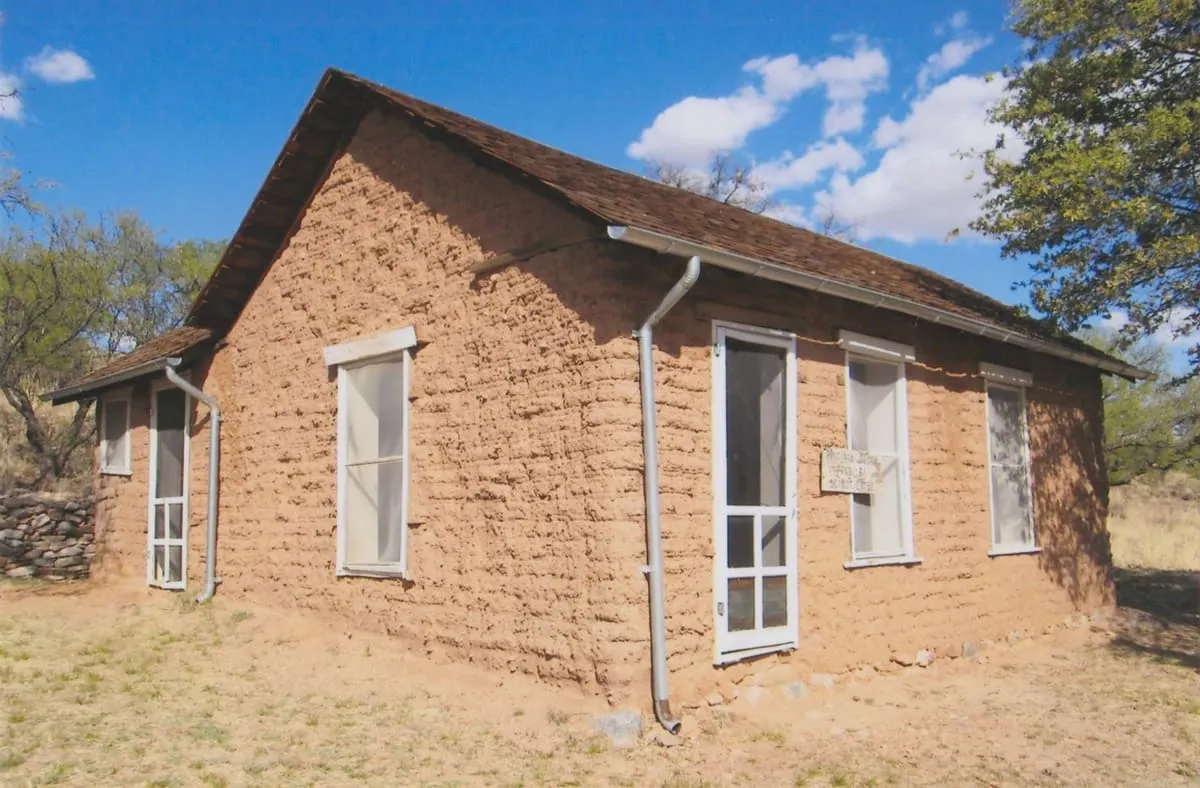
Only one of the twenty-seven carries an official designation of any kind: Kentucky Camp, a former mining camp on the Arizona Trail in Pima County, is listed on the National Register of Historic Places.
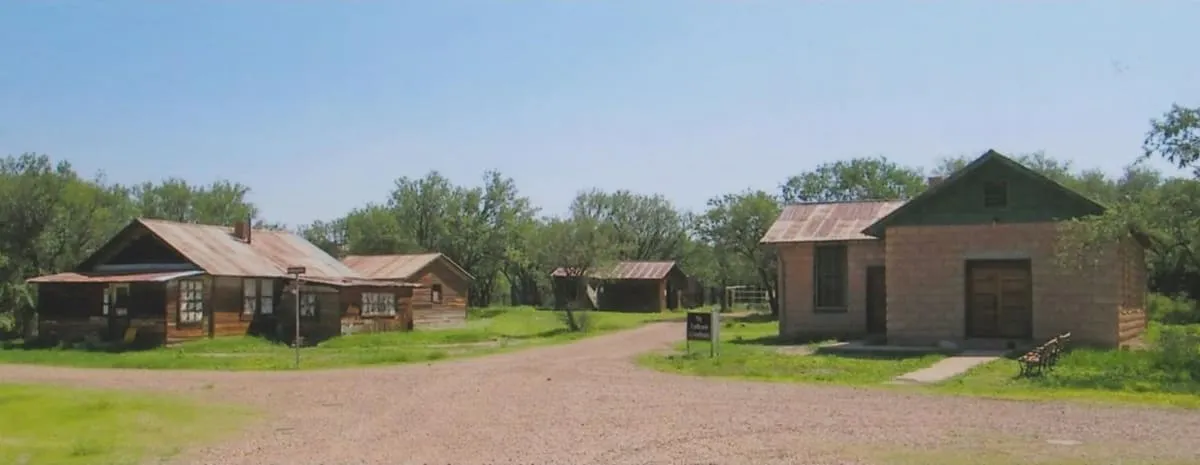
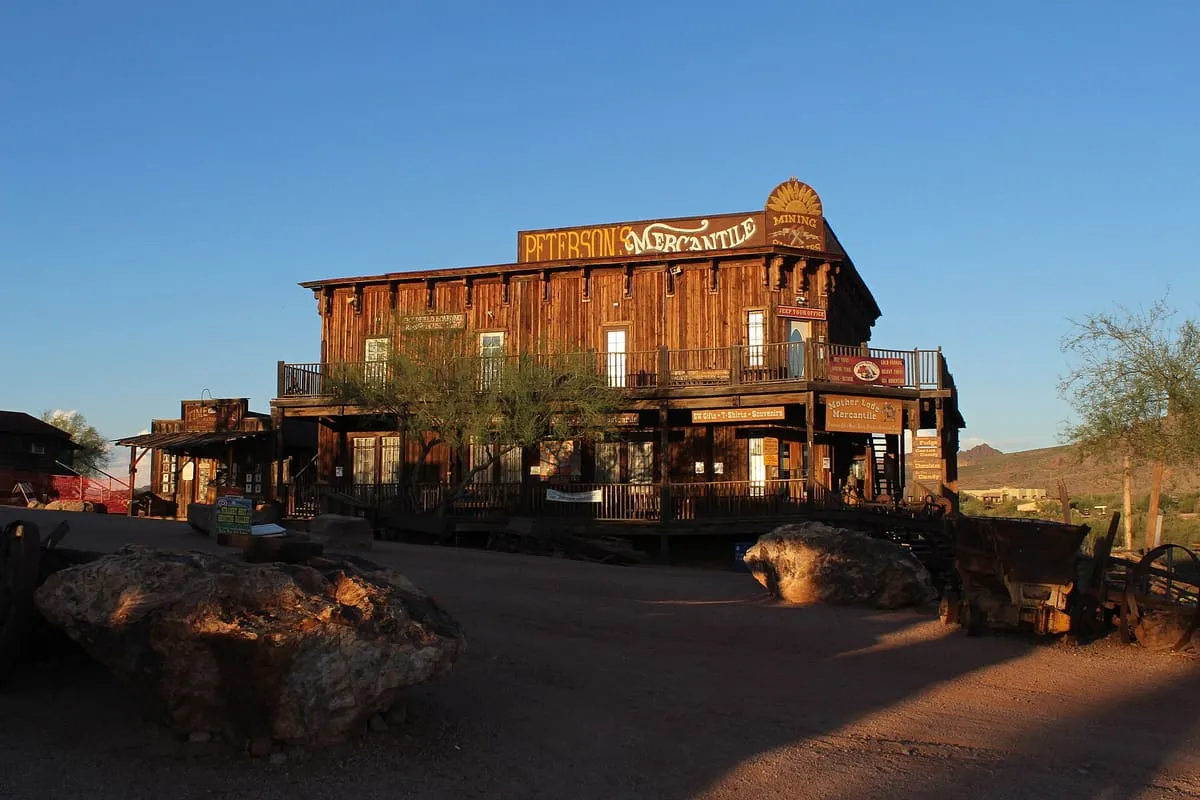
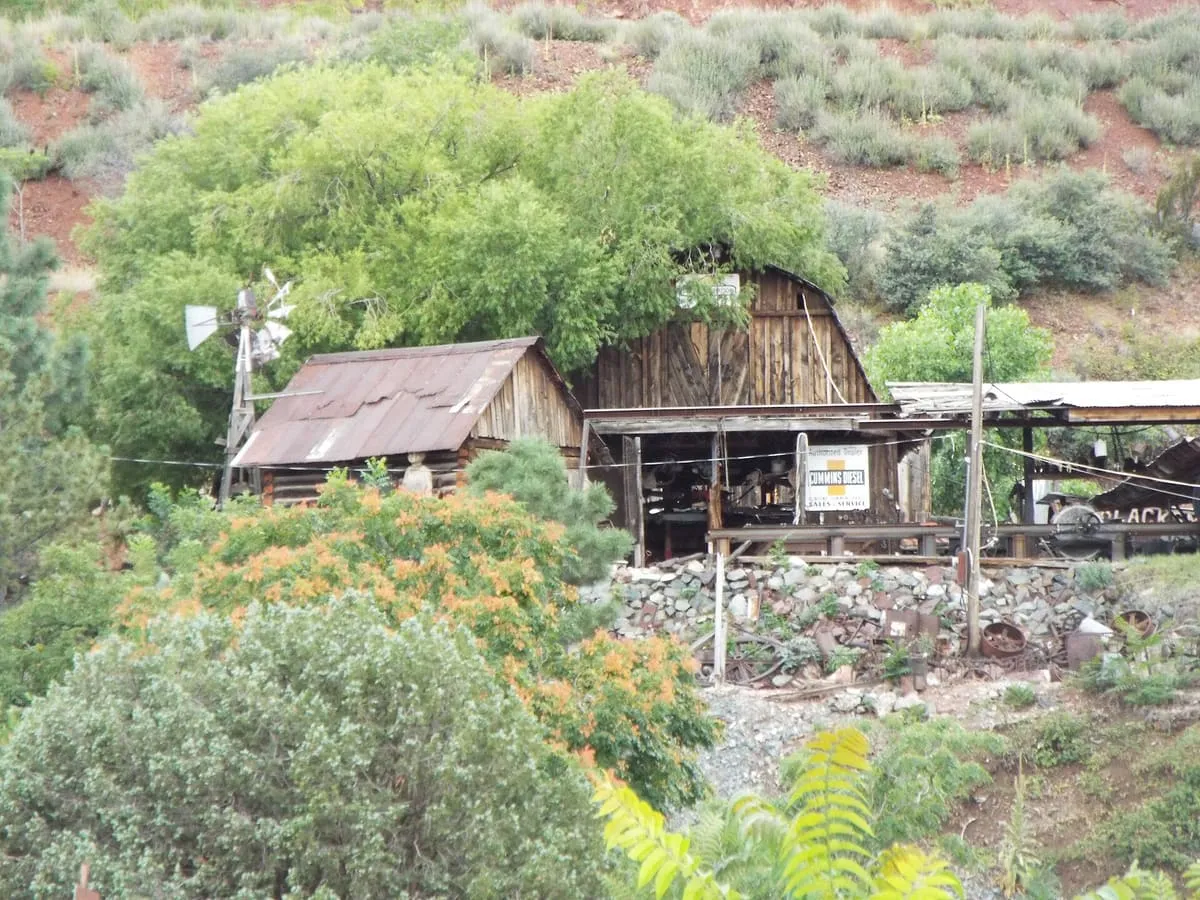
The category holds two things that are not quite the same as the rest. Goldfield Ghost Town, between Apache Junction and the Superstition Mountains, is a reconstructed mining settlement, and Gold King Mine Ghost Town near Jerome is an assembled historic site. Both are operating attractions built on the site or the idea of an abandoned one, which makes them a different proposition from Swansea or Gleeson — places that were simply left.
The database does not separate them, because the sources describe all of them with the same phrase and inventing a distinction the sources do not draw would be editorialising. It is worth knowing the group is not homogeneous.
Twenty of the twenty-seven have enough readership to show a seasonal shape, and those shapes cluster: eight peak in January, six in March, three in August, two in May and one in October.
January is the single most common peak month for ghost towns and the second most common across the database as a whole. Most of these sites are in southern Arizona at low elevation, where January is mild and August is not, and the readership follows a pattern that would be consistent with people planning or taking cool-season trips. That is an inference about the calendar, not a measurement: what the data records is when a page was opened, and this site does not convert that into a claim about when a place is busy or when it is best visited.
The ghost towns are the clearest illustration in the database of the problem the methodology is built around. They have one axis of evidence and not the other — real, measurable public interest, and no measurement of visitation at all — so scoring them requires a decision about what to do with the gap.
Entering a zero would rank an abandoned mining camp below a place with a published count of a hundred, which would be false: nobody has established that fewer people go, only that nobody counts. Instead the missing axis is dropped, the remaining weights are renormalised, and the score is capped below the records whose visits were actually measured.
There is a further trap these records expose, and the database has no defence against it. A readership signal never expires. A settlement abandoned in 1890 generates reads indefinitely, and on that axis alone it can read as healthier than a place still open. Wikidata’s dissolution and closure properties are the only thing in the pipeline that marks a place as ended, and for most of these sites nothing distinguishes “abandoned in 1890” from “quiet last year” except the prose on the record’s own page.
Historic Site
Historic Site
Historic Site
Historic Site
Historic Site
Historic Site
Historic Site
Historic Site
Historic Site
Historic Site
Historic Site
Historic Site
Historic Site
Historic Site
Historic Site