22 miles away
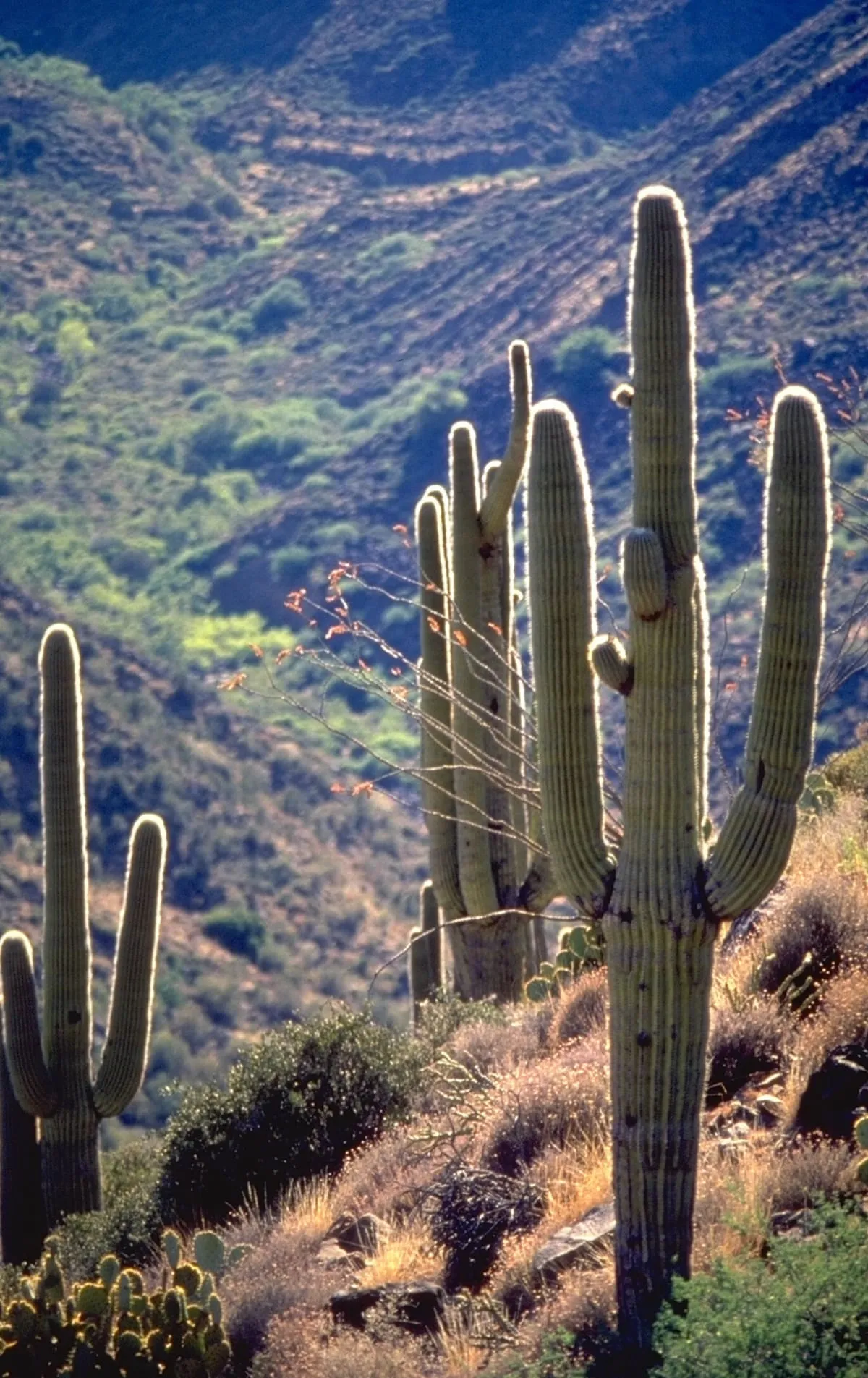
Sonoran Desert
A subtropical hot desert of 260,000 square kilometres, home to the saguaro and the organ pipe cactus.
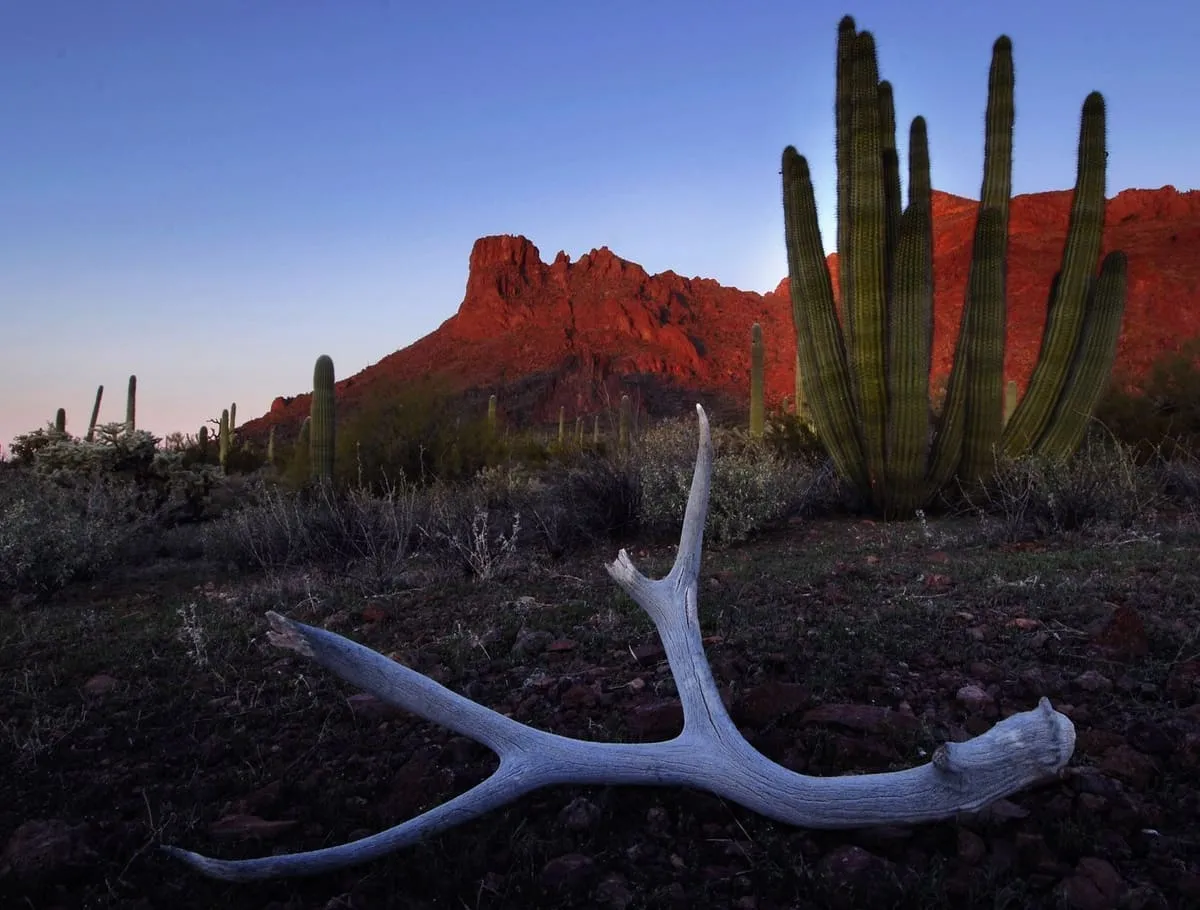
A UNESCO biosphere reserve on the Mexican border, and one of the few places organ pipe cactus grows wild in the US.
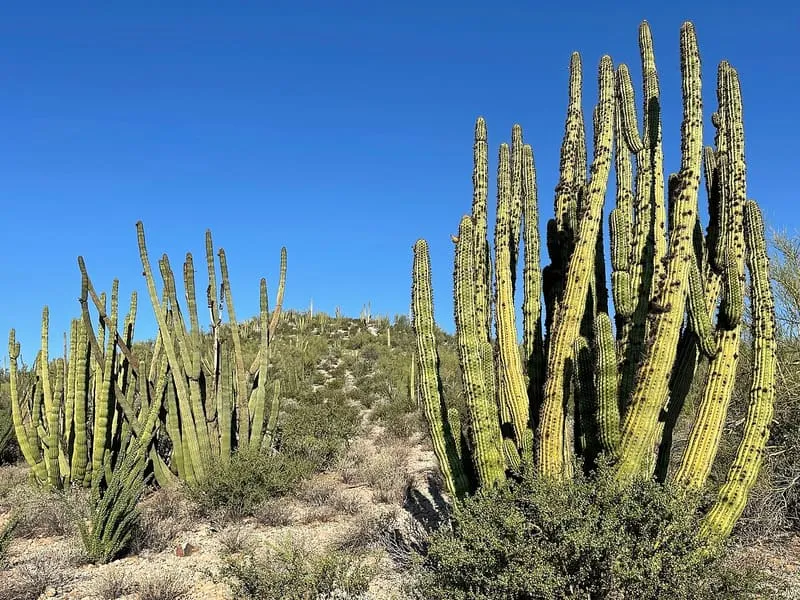
Organ Pipe Cactus National Monument is a national monument and UNESCO biosphere reserve in southern Arizona, sharing a border with the Mexican state of Sonora. It covers 517 square miles and is one of the few places in the United States where the organ pipe and senita cacti grow wild, alongside many other cacti and plants native to the Yuma Desert section of the Sonoran Desert. The land was donated to the federal government by the Arizona state legislature during Prohibition and officially opened as a national monument in 1937. UNESCO declared it a biosphere reserve in 1976, and 95 per cent of the monument was designated wilderness the following year. It recorded 182,612 recreation visits in 2024.
Organ Pipe Cactus National Monument is a national monument near Ajo, in Pima County. It is one of the national monuments in this database, and appears in the statewide ranking of Arizona attractions.
The score combines the published visitor count with public interest and tourism significance, which is what earns it high confidence. The weighting is explained in full on the methodology page, and every axis is broken out under Facts and sources at the foot of this page.
Record last verified 2026-08-12.
22 miles away
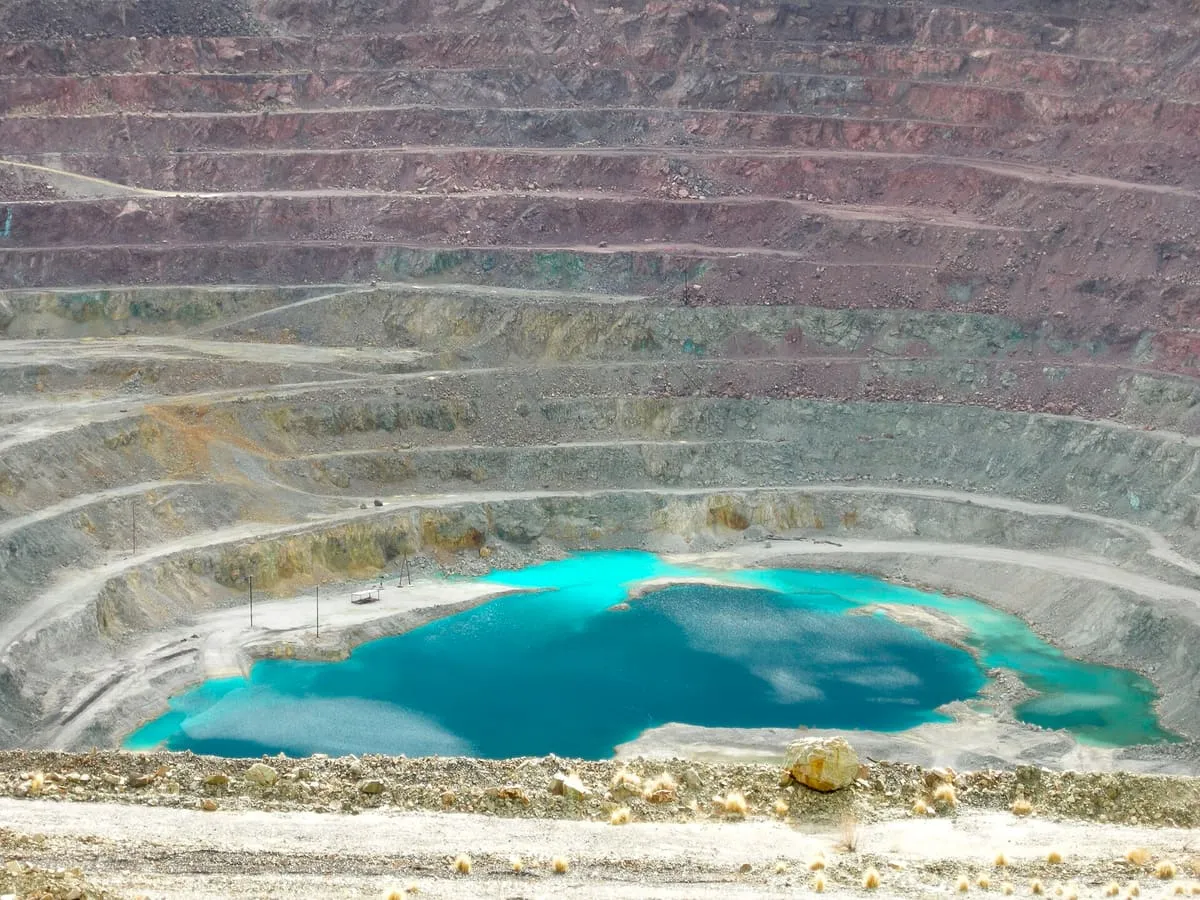
28 miles away
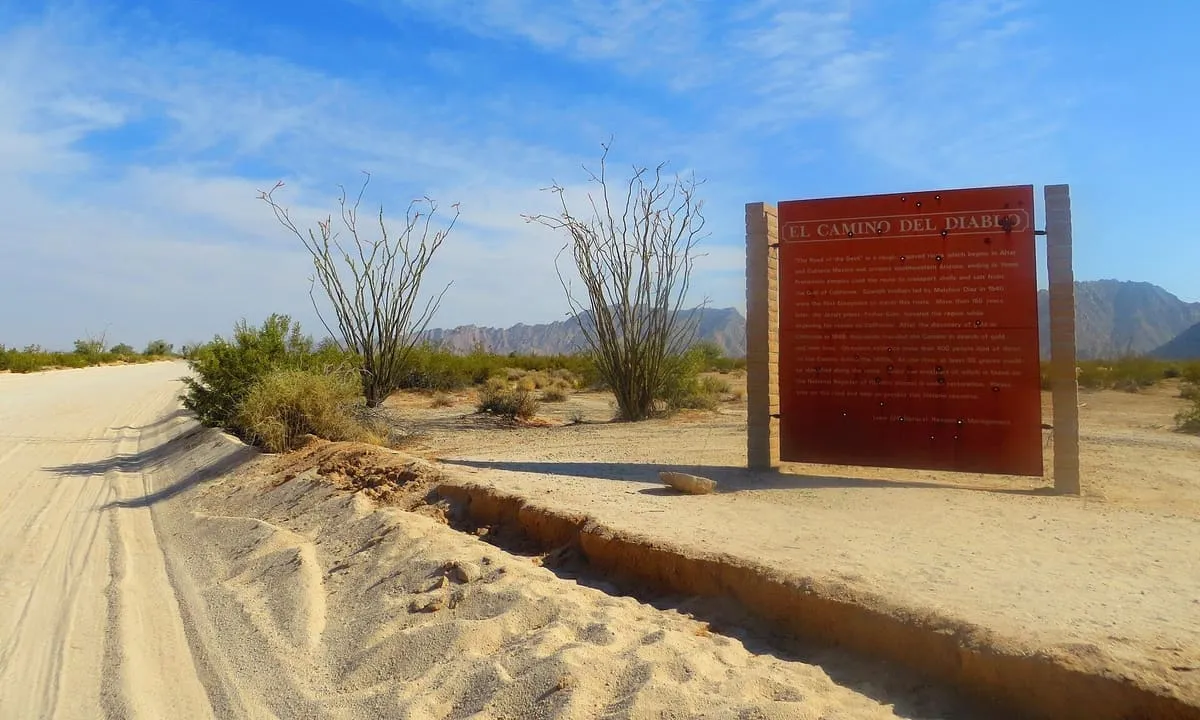
35 miles away
43 miles away
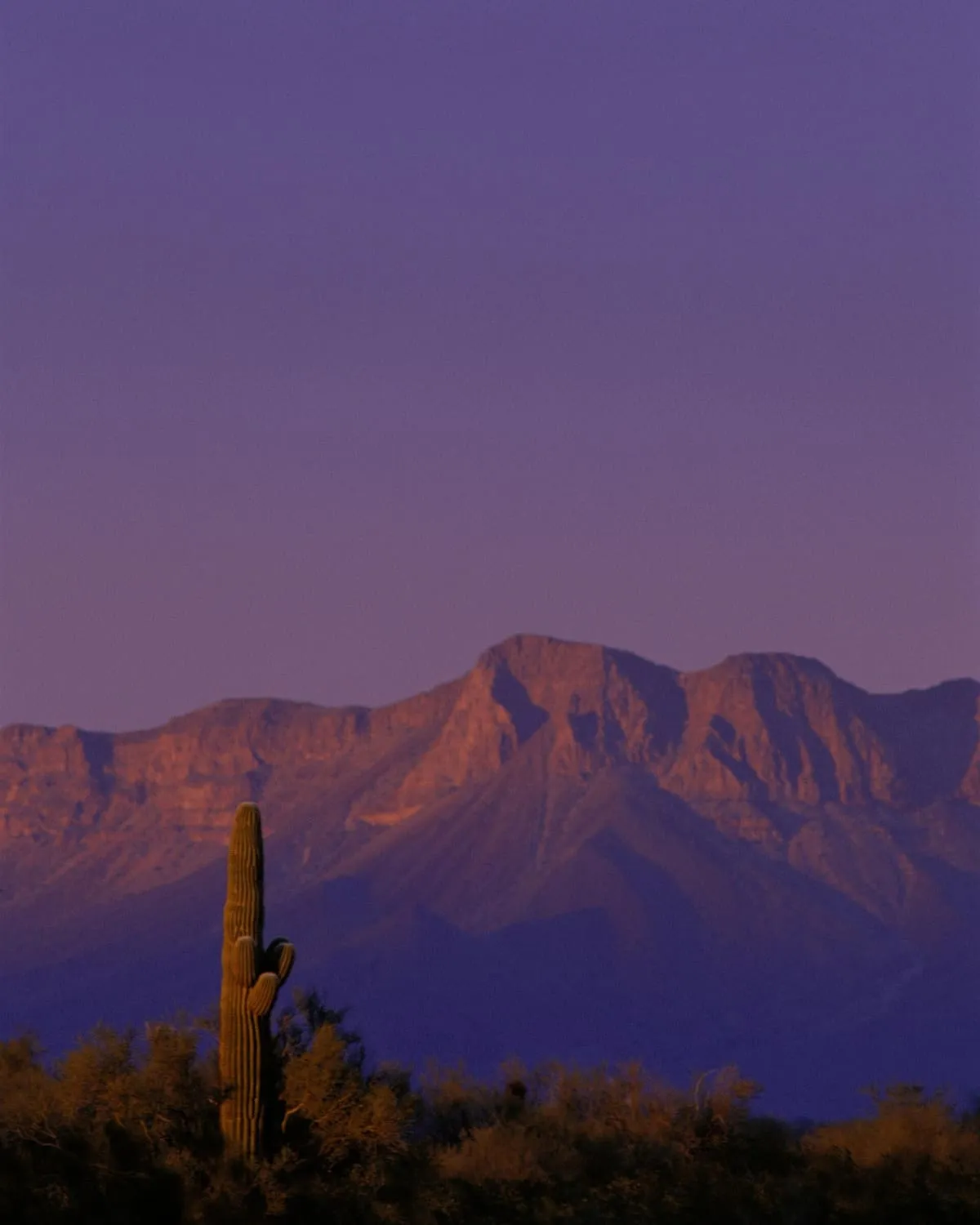
45 miles away

70 miles away