Score 59.0 out of 100
Landmark
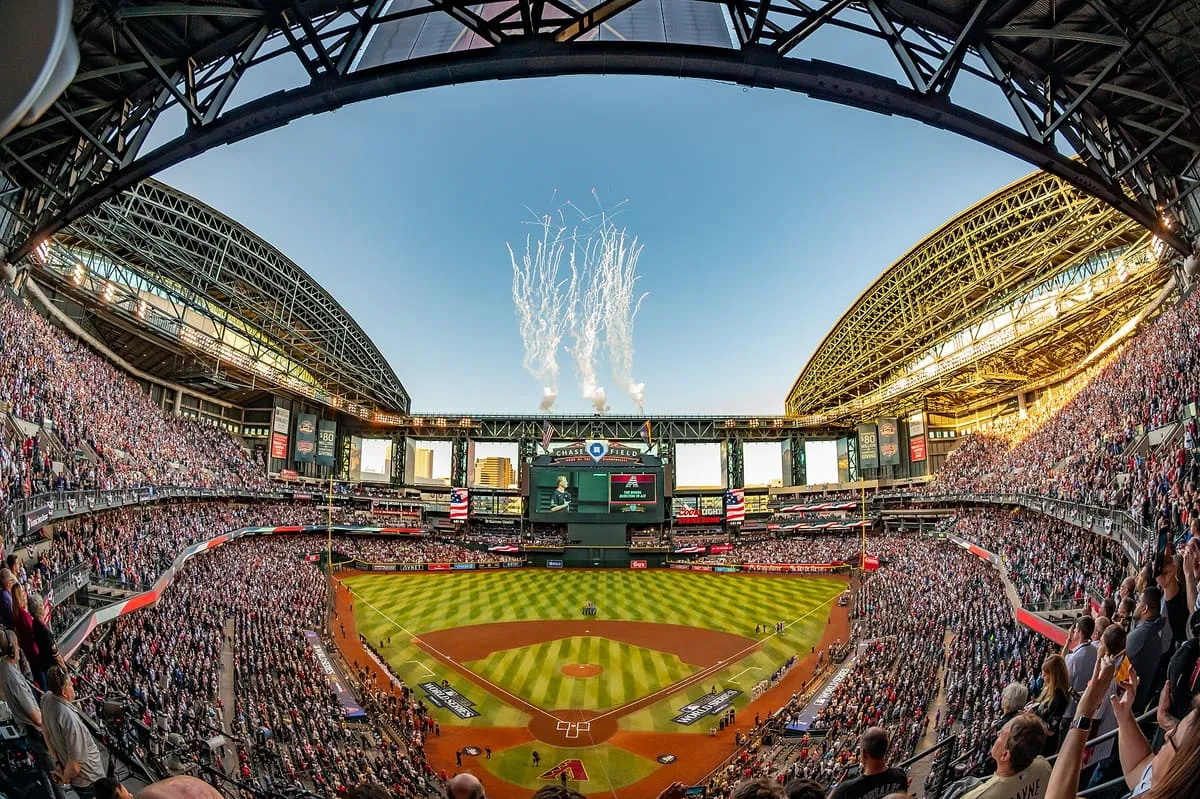
Chase Field
The downtown Phoenix ballpark of the Arizona Diamondbacks, opened in 1998 under a retractable roof over grass.
Articles
Maricopa County holds 162 of Arizona's attractions, more than any other, and not one of them carries an official visitor count.
This database holds 727 attractions across Arizona’s fifteen counties. Where they are, and where the recorded visits are, turn out to be two different maps.
Maricopa County holds 162 of the 727, Coconino County 109 and Cochise County 82. Those three account for 48.6 per cent of everything on this site. At the other end, Greenlee County holds six.
That distribution is roughly what a reader would guess. Maricopa contains Phoenix and its suburbs, which is where the museums, gardens, stadiums and historic districts are; Coconino contains Flagstaff, Sedona and the Grand Canyon’s South Rim.
Of the 16,347,172 recorded visits in the database, Coconino County accounts for 10,611,947 — 65 per cent of the state’s total, from seven measured attractions. Pima County is second on 1,410,386 and Apache County third on 1,035,946.
Maricopa County, with 162 attractions, accounts for none of it. Not one of its records carries an official visitor count. Neither does Greenlee’s six.
The obvious reading — that nobody visits attractions in Phoenix — is plainly false, and it is worth being precise about why the number is zero.
An official visitor count exists on this site only where an agency publishes one. In Arizona that means two sources: the National Park Service’s Visitor Use Statistics and the Arizona Office of Tourism’s state park visitation report. Both cover federal and state land. Neither covers a municipal museum, a private garden, a ballpark or a county fairground, and no equivalent publisher exists for them.
Coconino County’s 10.6 million is therefore not a measure of its popularity against Maricopa’s. It is a measure of how much federal and state land it contains. Its seven measured attractions are Grand Canyon, Glen Canyon, Wupatki, Walnut Canyon, Sunset Crater Volcano, Slide Rock and Riordan Mansion — seven records carrying a county of 109. Maricopa’s 162 are almost entirely city, county and private venues, and the bodies that would report them do not.
One of those seven inflates the total, and the figure should not be quoted without it. Glen Canyon’s 4,725,610 covers the whole recreation area across Utah and Arizona, not its Arizona portion and not any single site. Setting it aside, Coconino accounts for 5,886,337 of 11,621,562 — still a dominant 51 per cent, but not the 65 the unqualified numbers give.
Forty-eight of the 727 attractions here — under seven per cent — carry a published visitor count. Every ranking on this site that uses visitation is therefore a ranking of that seven per cent, and the seven per cent is not a random sample. It is federal and state land, disproportionately in the north and the south-east of the state, and it systematically omits everything in the largest metropolitan area in Arizona.
This is why this site keeps visitation, public interest and tourism significance as three separate measures rather than collapsing them into one number. A visitation-only ranking of Arizona attractions would be a ranking of national and state parks with the state’s largest city excluded by construction, and it would look authoritative while doing it. How the three combine, and what happens to a record with no measurement rather than a measurement of zero, is set out on the methodology page.
Two records in the database carry no county. Both are places with no Wikidata item, and the county resolution runs from coordinates held there, so it never reached them. They are counted in the 727 and absent from the fifteen-county breakdown above, which is the sort of small inconsistency a database should state rather than quietly round away.
Landmark
Botanical Garden
Museum
National Park
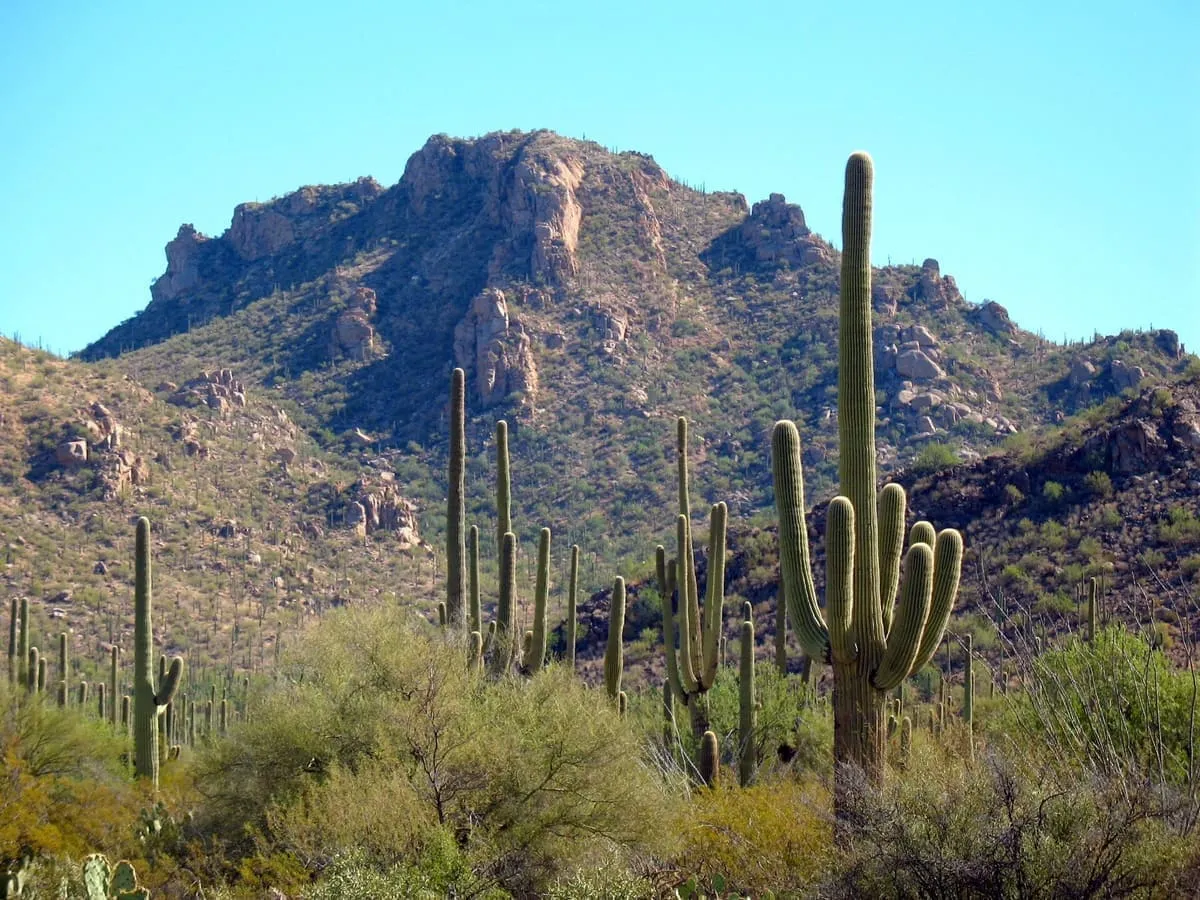
National Park
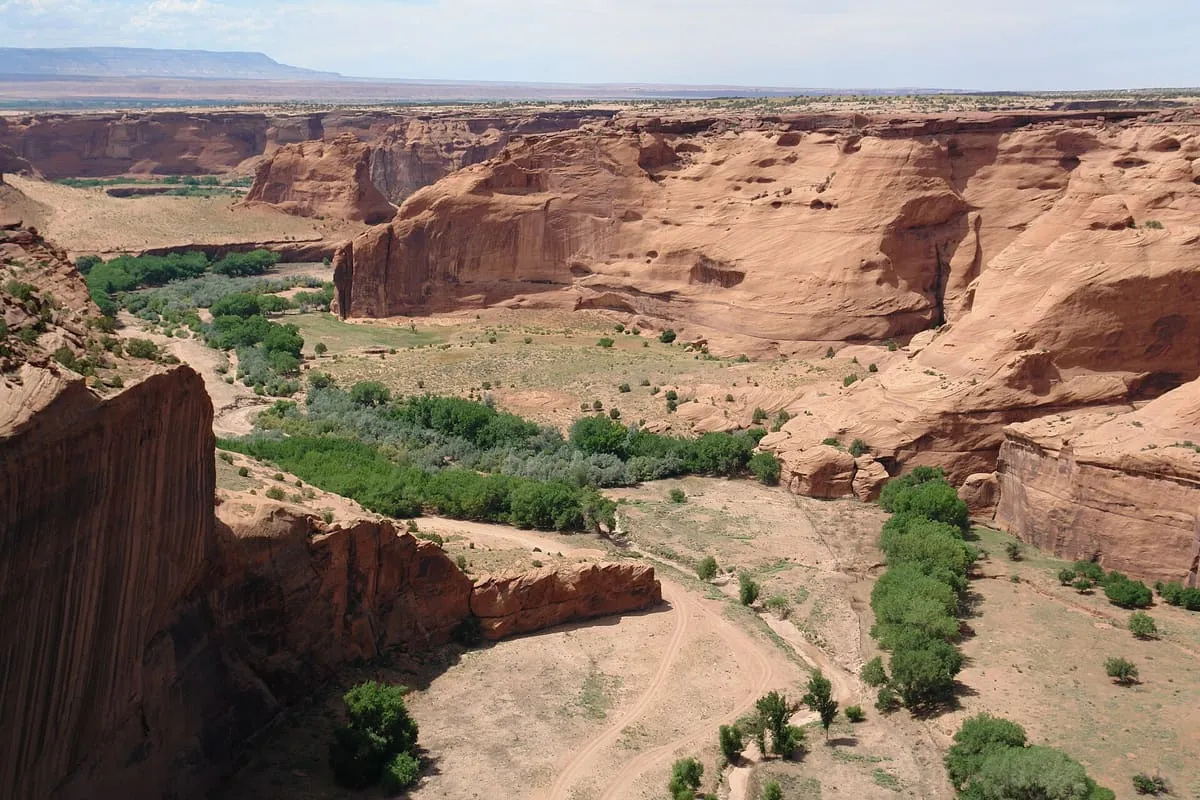
National Monument
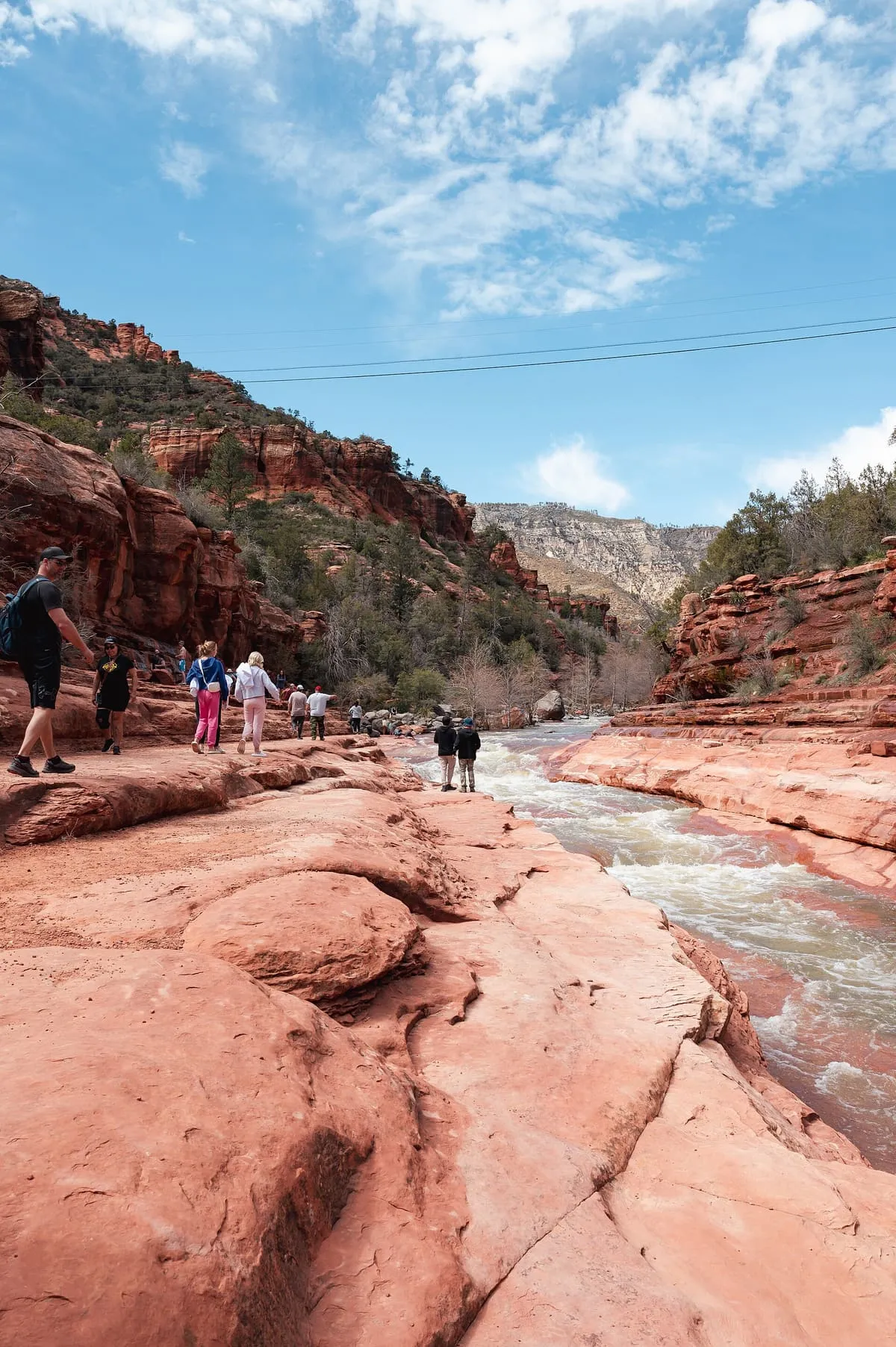
State Park
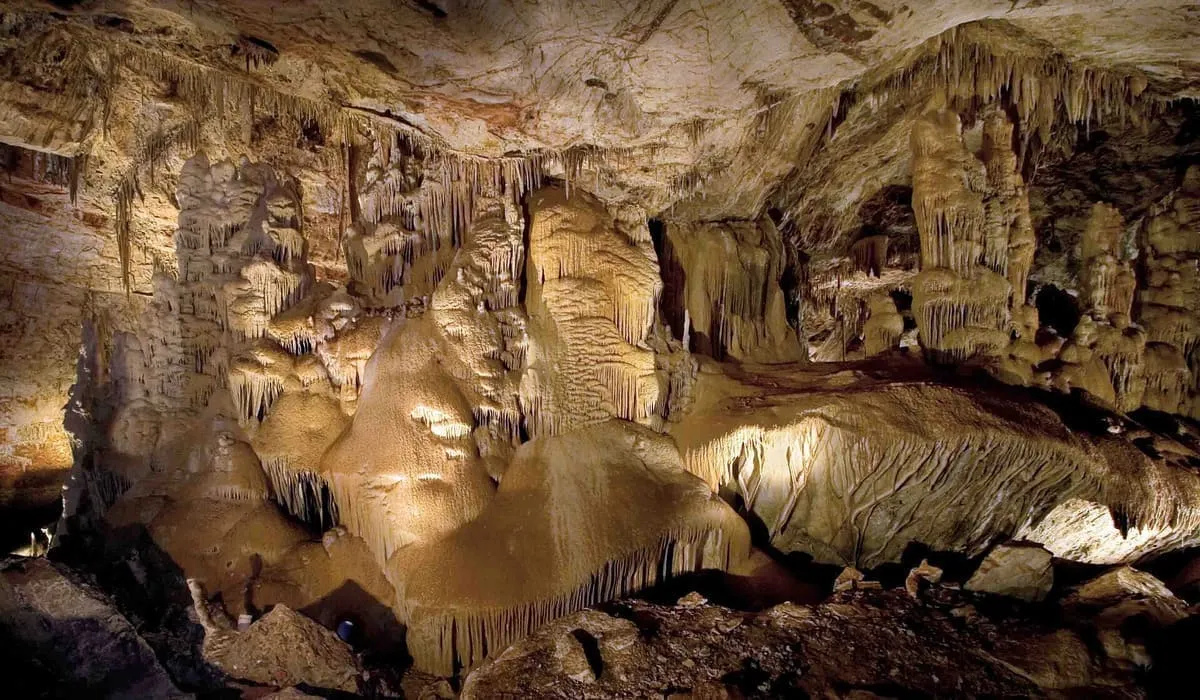
State Park
State Park