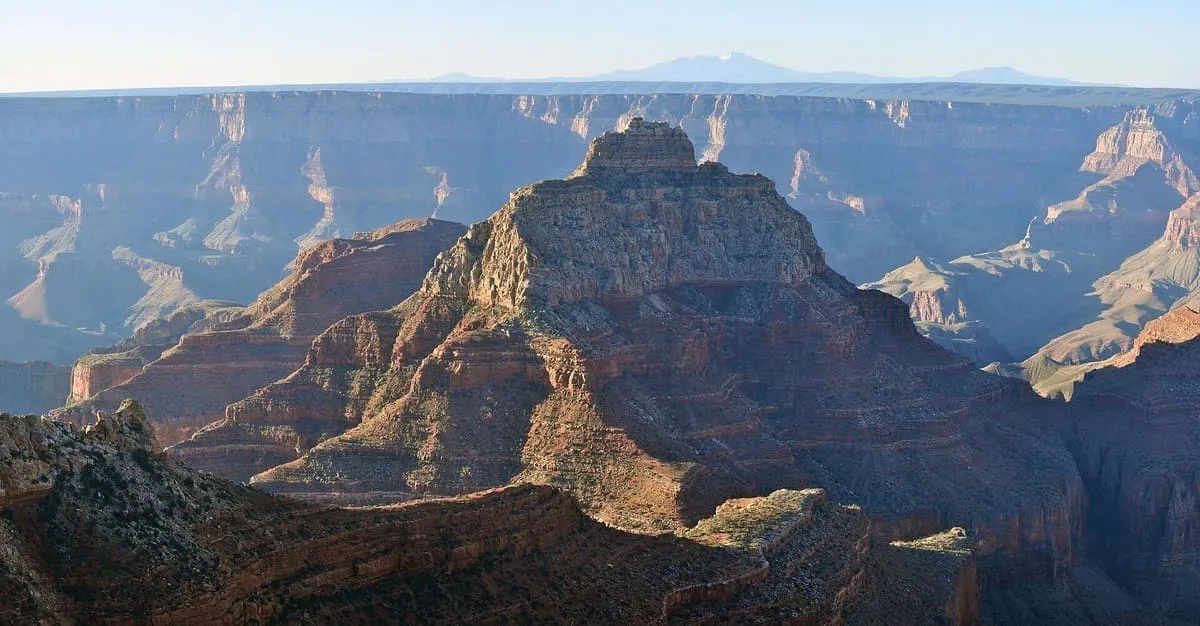
6.9 miles away
Vishnu Temple
A summit within the Grand Canyon, in Coconino County, Arizona, standing at an elevation of 7,533 feet.
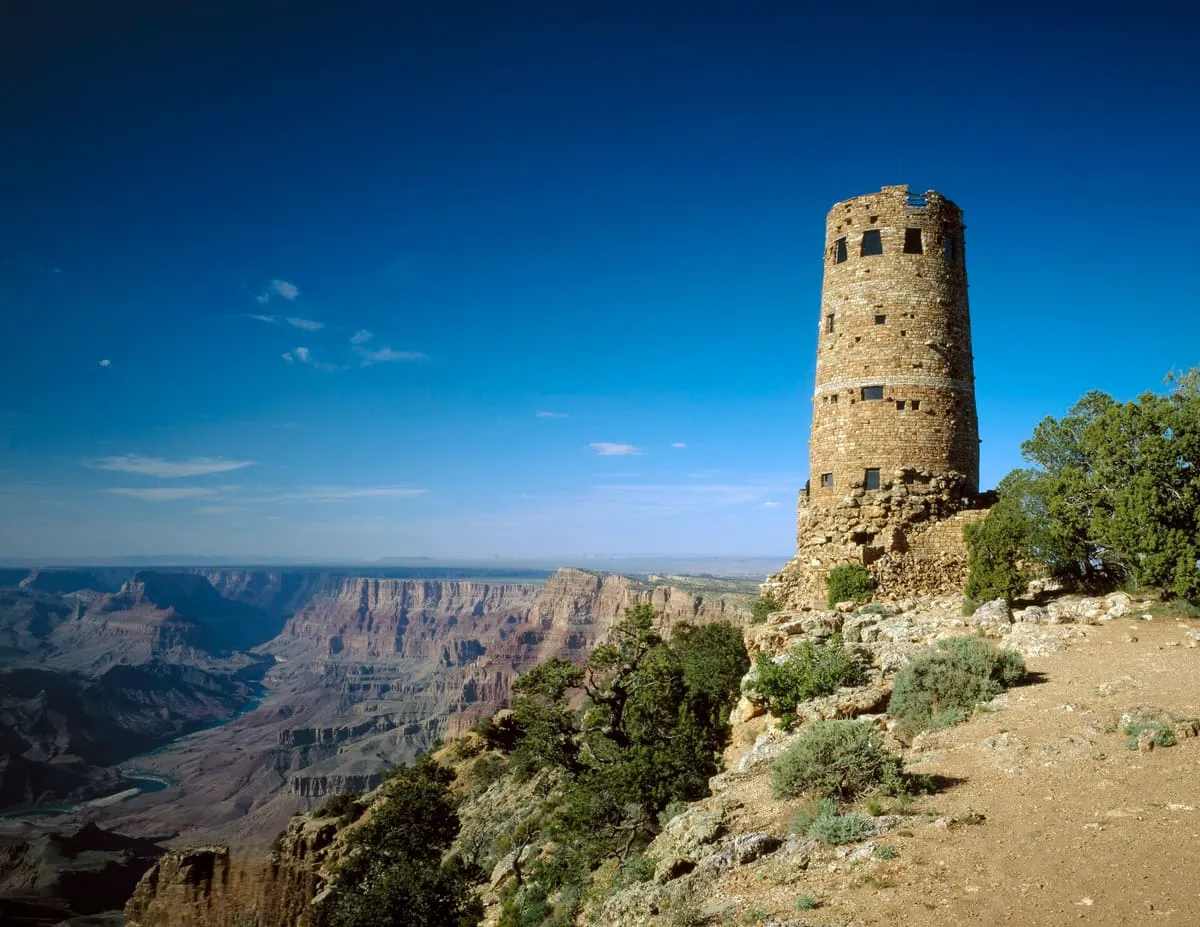
A 70-foot stone tower on the Grand Canyon's South Rim, completed in 1932 to a design by Mary Colter, with murals by Fred Kabotie.
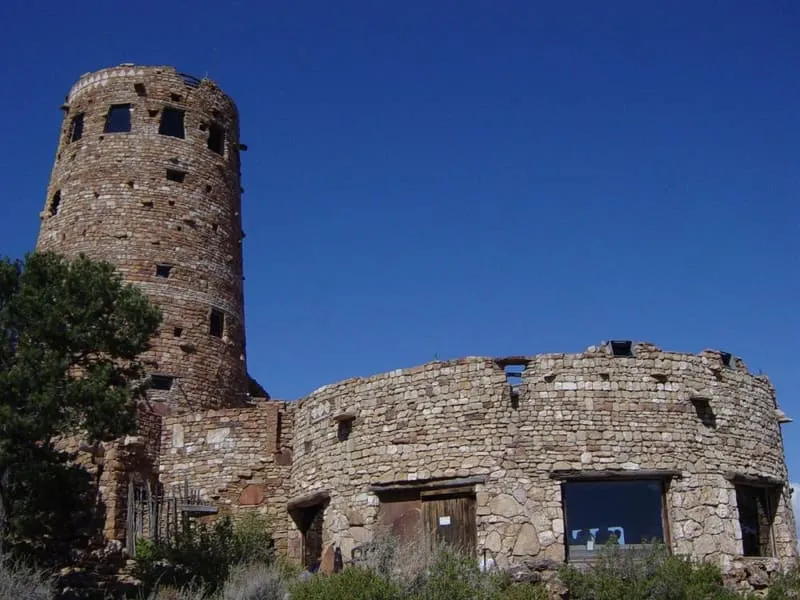
Desert View Watchtower, also known as the Indian Watchtower at Desert View, is a 70-foot stone building on the South Rim of the Grand Canyon, within Grand Canyon National Park. It stands at Desert View, more than 20 miles east of the main developed area at Grand Canyon Village and towards the east entrance to the park. The four-storey structure was completed in 1932 to a design by the American architect Mary Colter, an employee of the Fred Harvey Company who designed several other buildings in the vicinity of the Grand Canyon, among them Hermit's Rest and the Lookout Studio. The interior contains murals by Fred Kabotie.
Desert View Watchtower is a historic site near Grand Canyon, in Coconino County. It is one of the historic sites in this database, and appears in the statewide ranking of Arizona attractions.
No official visitor count is published for Desert View Watchtower, so its score rests on public interest and tourism significance, and is capped below the level a measured attraction can reach. That is why the medium confidence above is not higher. The weighting is explained in full on the methodology page, and every axis is broken out under Facts and sources at the foot of this page.
Note on the data: No official visitor count is published for this attraction.
Record last verified 2026-08-12.
6.9 miles away
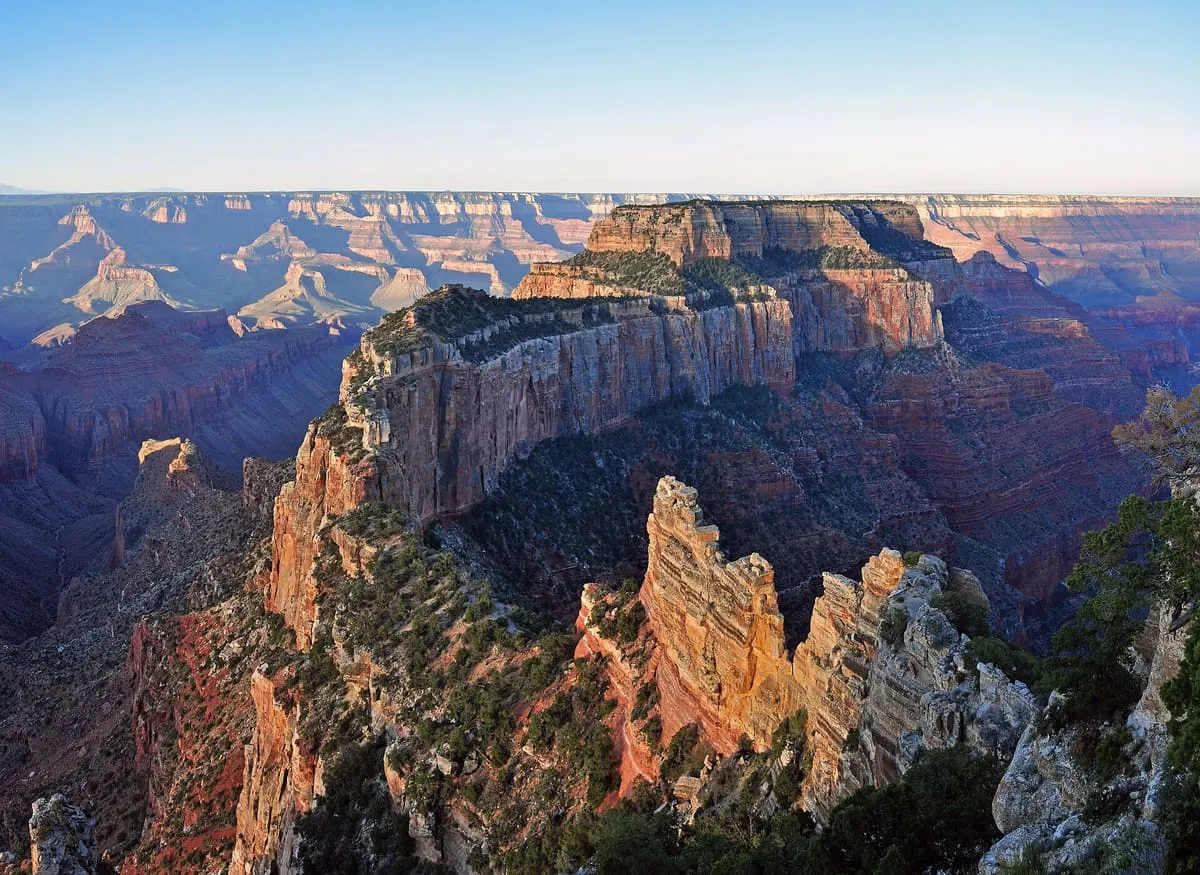
9.0 miles away
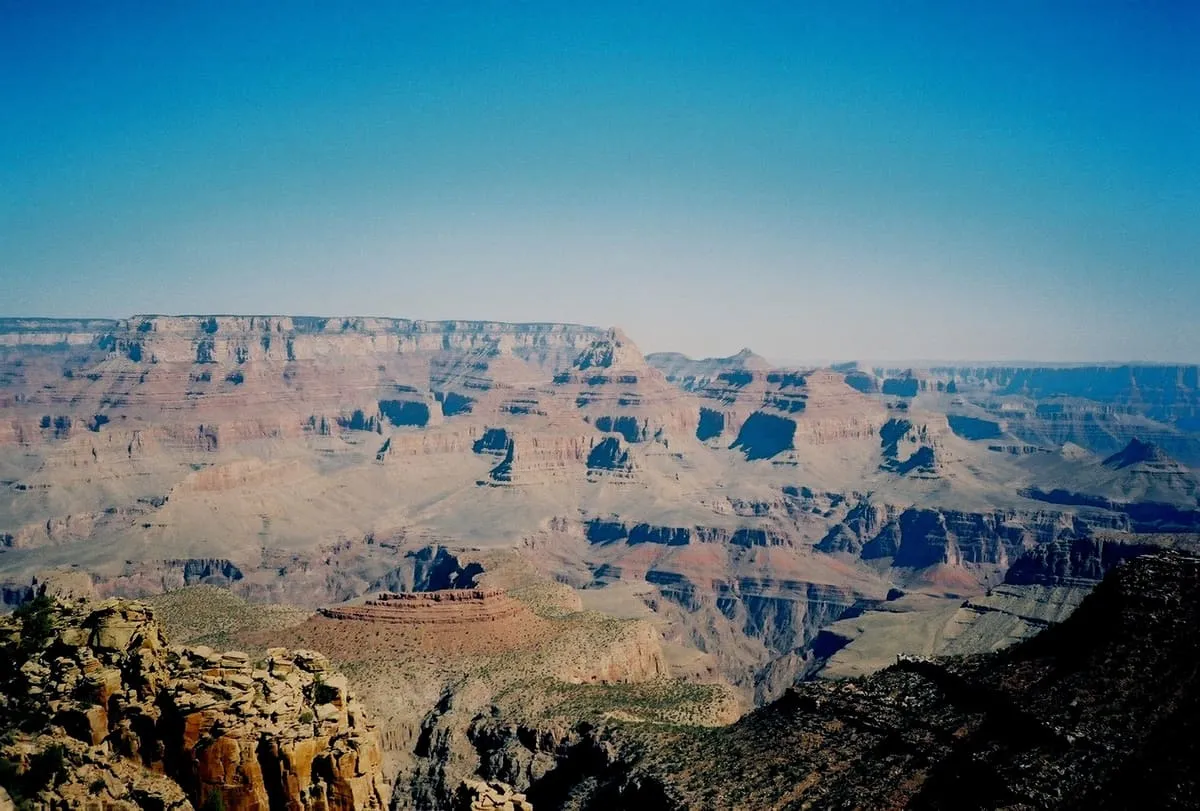
9.5 miles away
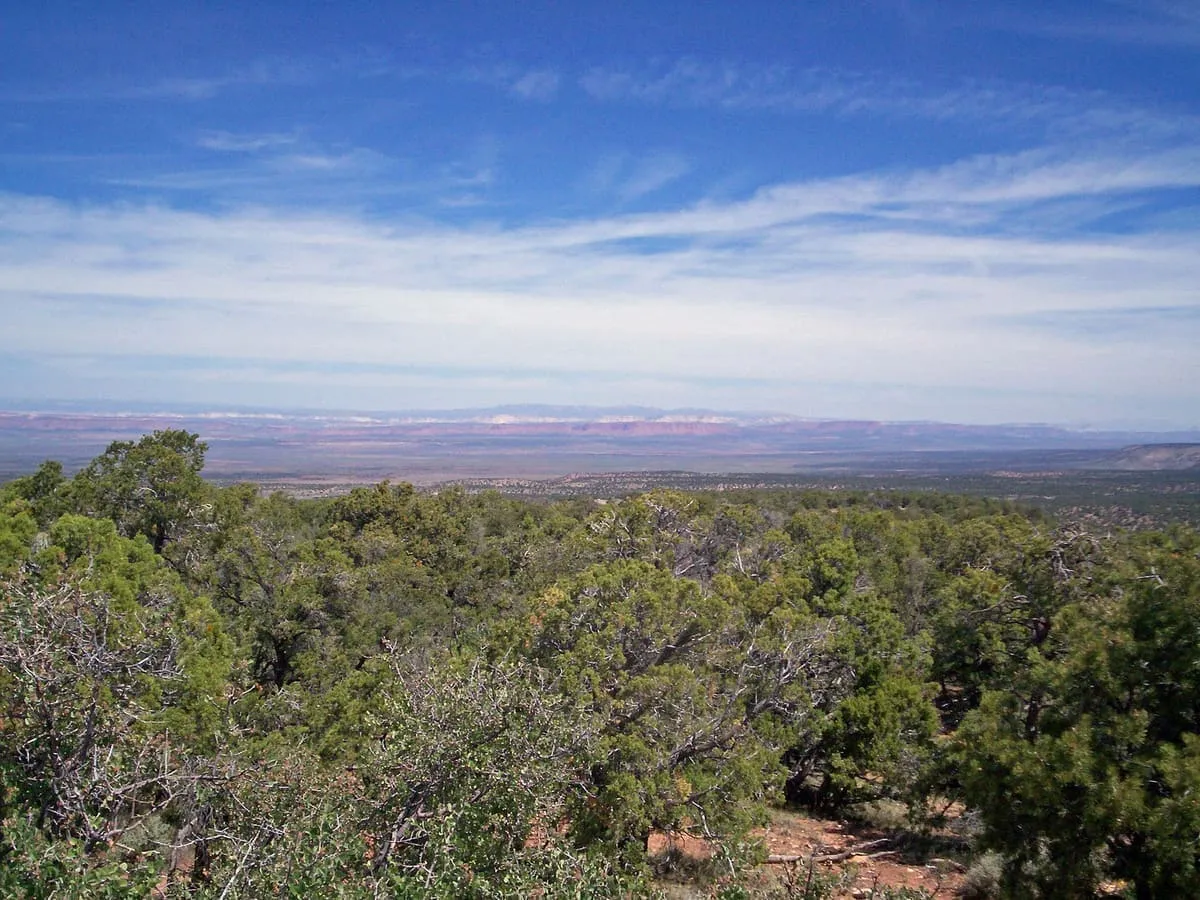
12 miles away
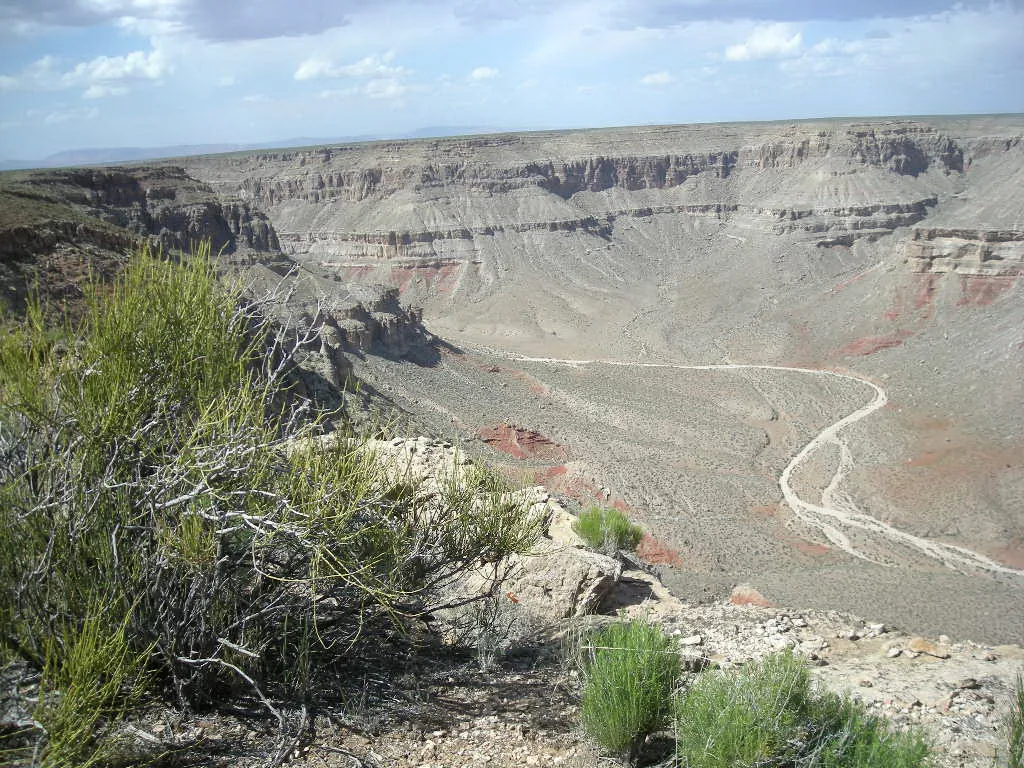
14 miles away
14 miles away