Home Cities Mesa 15 attractions
1 Score 48.7 out of 100 48.7
Historic Site
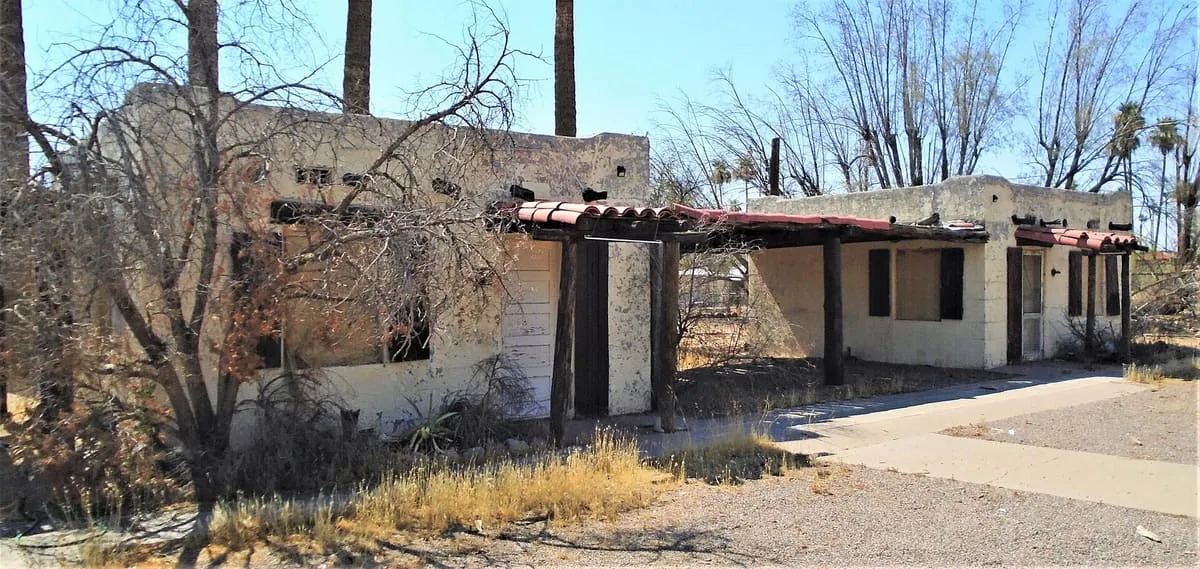
A Pueblo Revival mineral springs resort in Mesa, opened in 1939 by Ted and Alice Sliger and closed in stages between 1999 and 2004.
2 Score 48.6 out of 100 48.6
Historic Site
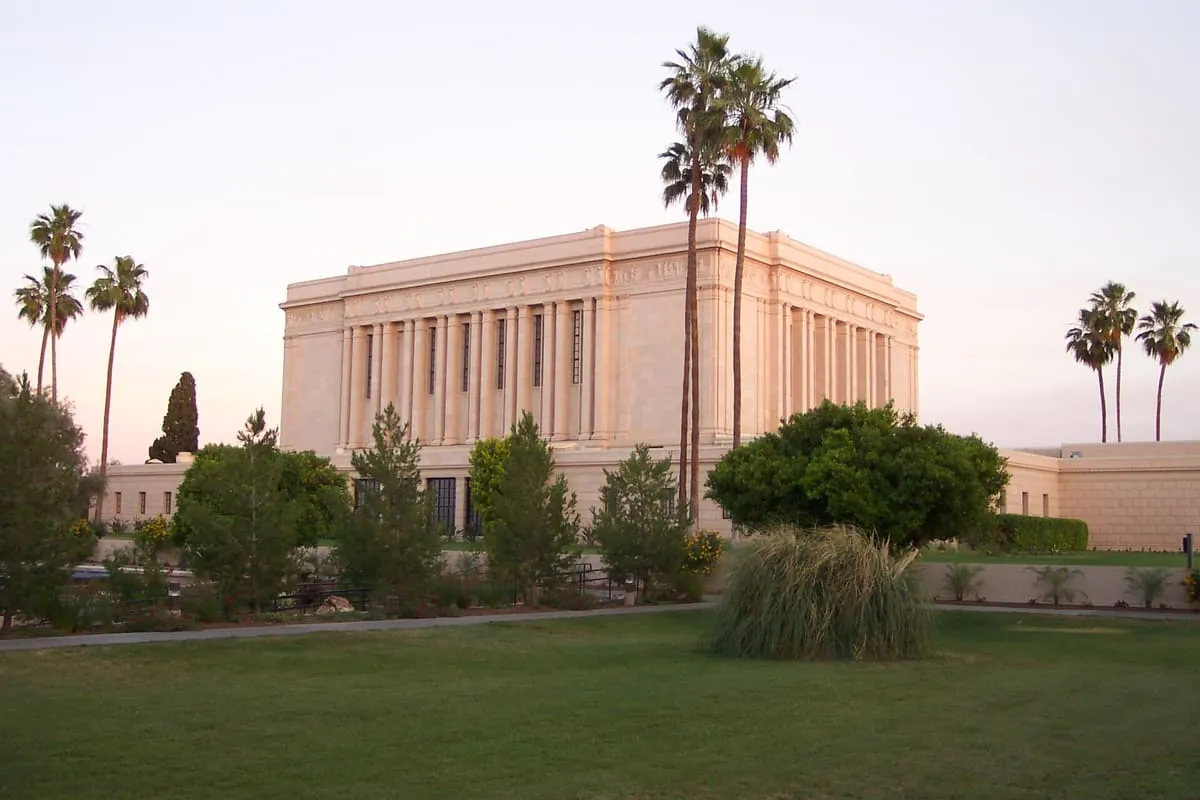
The seventh operating temple of the Church of Jesus Christ of Latter-day Saints, dedicated at Mesa in 1927 and set in 20 acres of gardens.
3 Score 44.9 out of 100 44.9
Historic Site
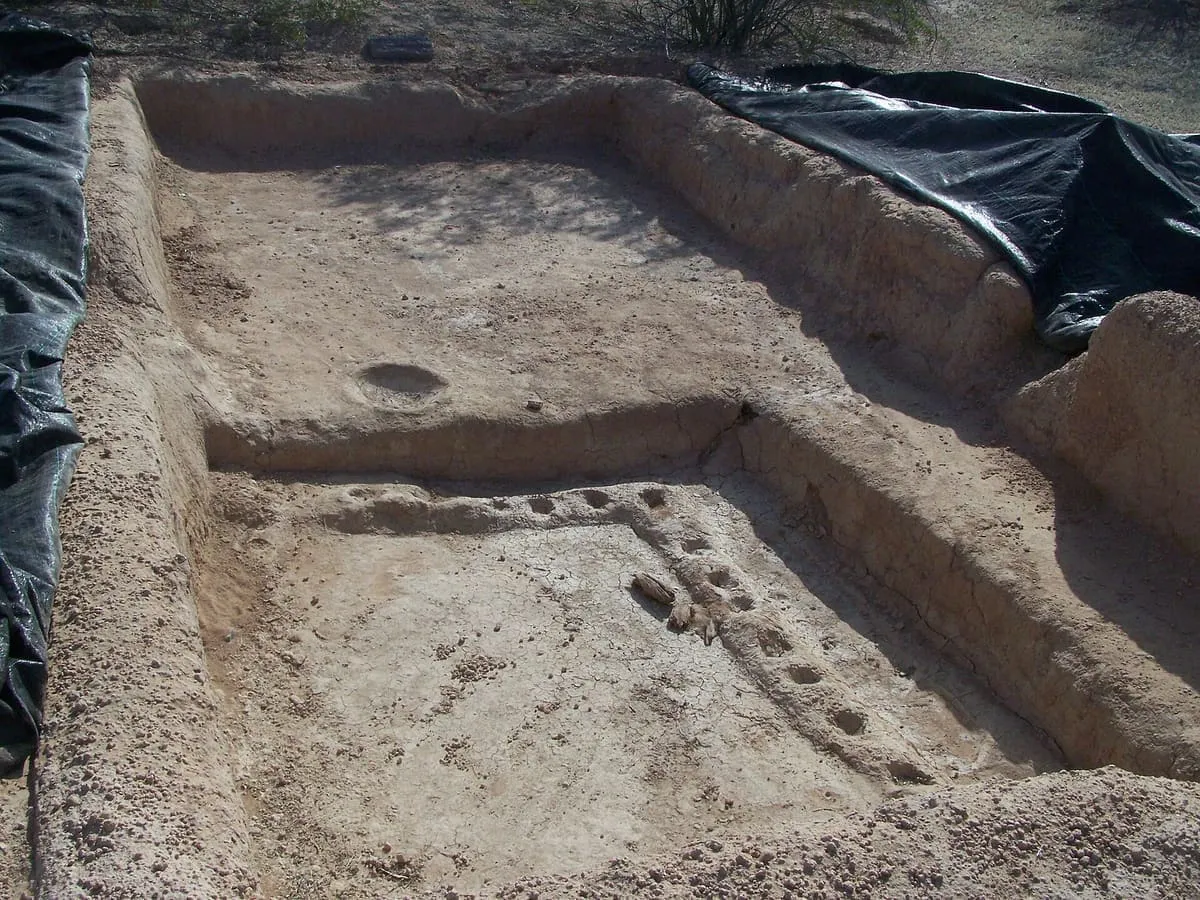
A Hohokam platform mound in Mesa occupied between AD 1100 and 1400, one of only two left in the Phoenix metropolitan area.
4 Score 44.3 out of 100 44.3
Historic Site
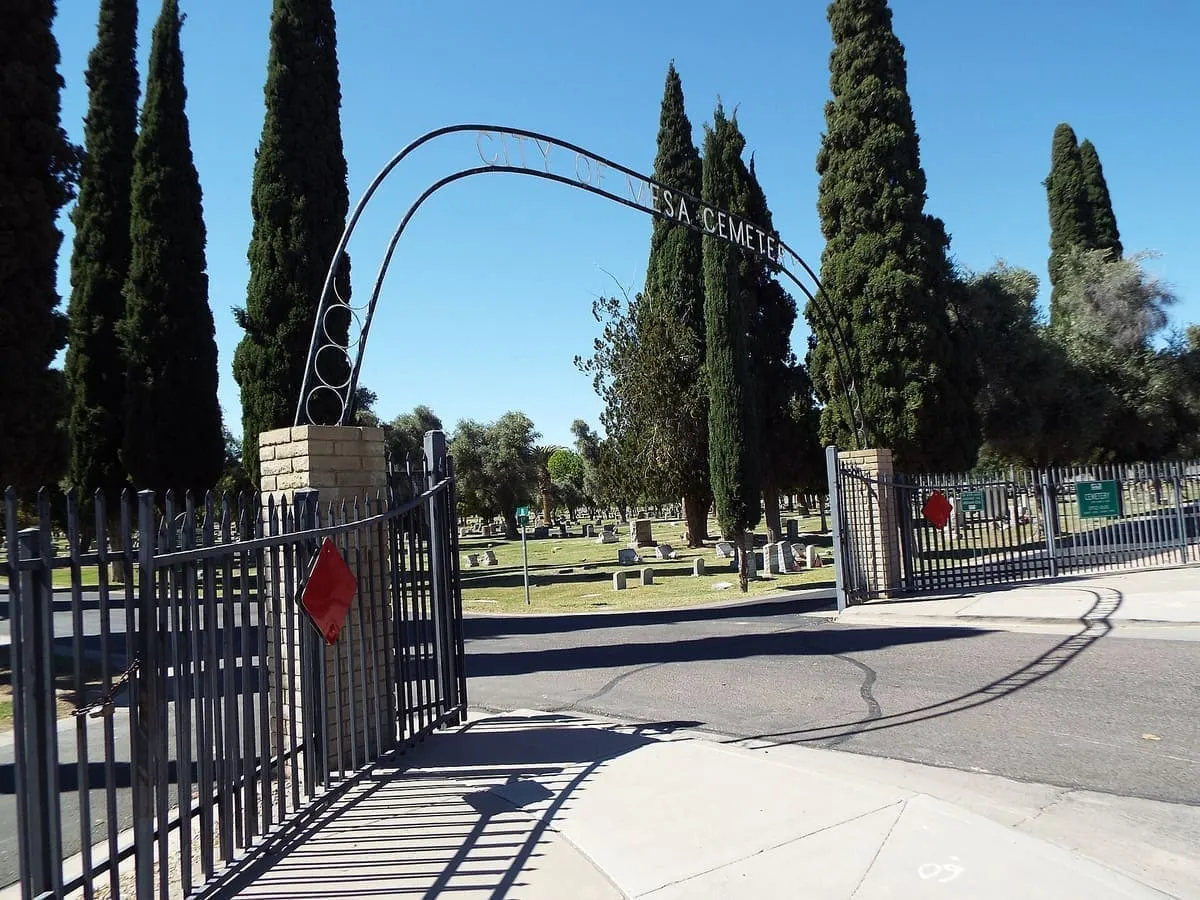
A historic cemetery on North Center Street in Mesa, holding the graves of early citizens, mayors and veterans.
5 Score 41.1 out of 100 41.1
Museum
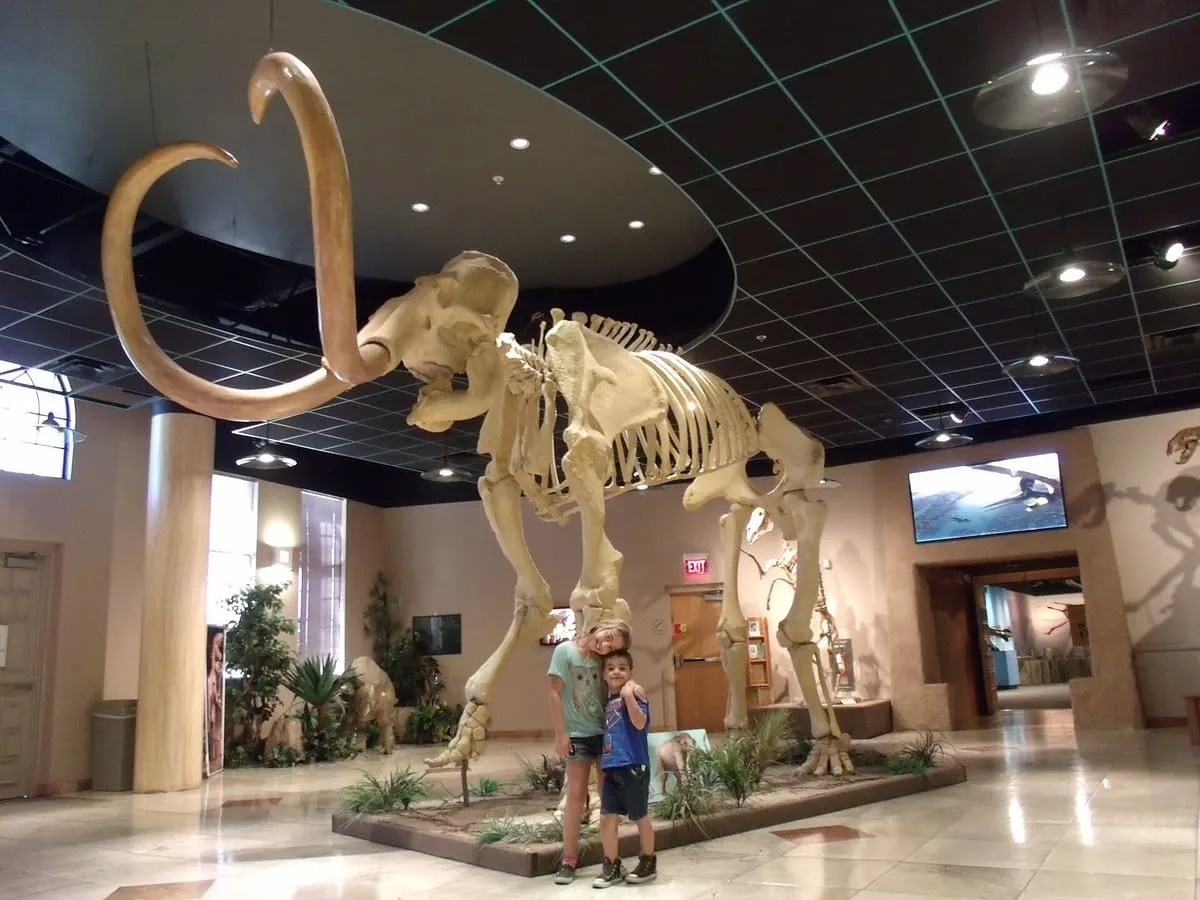
A museum in Mesa exhibiting the natural and cultural history of the South-West, and the only natural history museum in greater Phoenix.
6 Score 40.8 out of 100 40.8
Natural Landmark
A 2,832-foot mountain north of Mesa, commonly called Red Mountain, closed to visitors since the early 1980s after vandalism.
7 Score 40.2 out of 100 40.2
Landmark
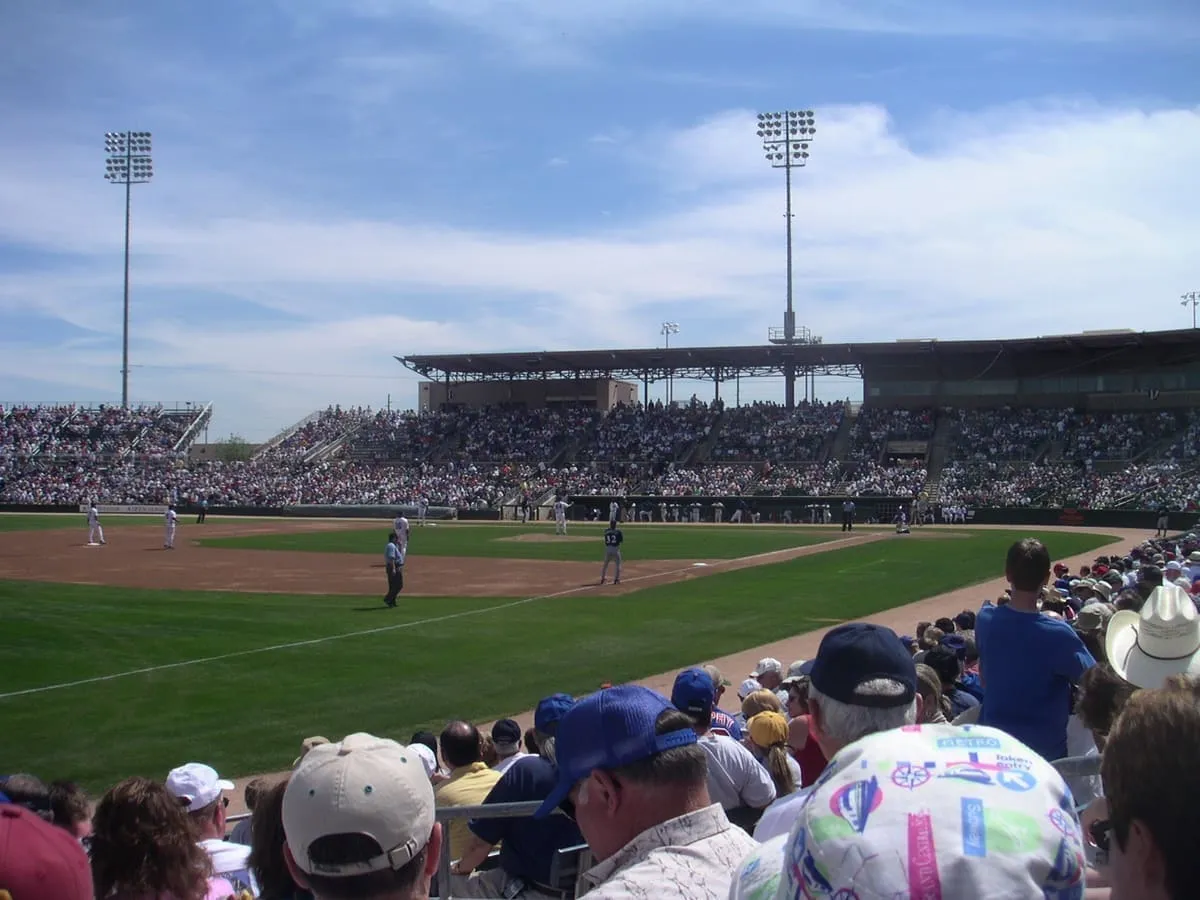
A 10,500-seat baseball park in Mesa named after the Hohokam people, and the spring training ground of the Athletics since 2015.
8 Score 37.6 out of 100 37.6
Museum
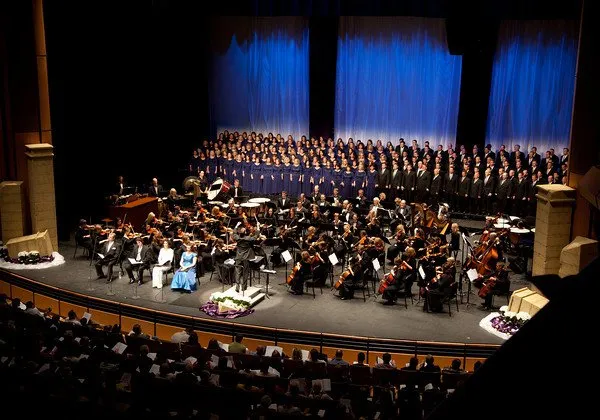
A performing and visual arts complex in downtown Mesa, completed in 2005 at a cost of $95 million and the largest in the state.
9 Score 32.7 out of 100 32.7
Museum
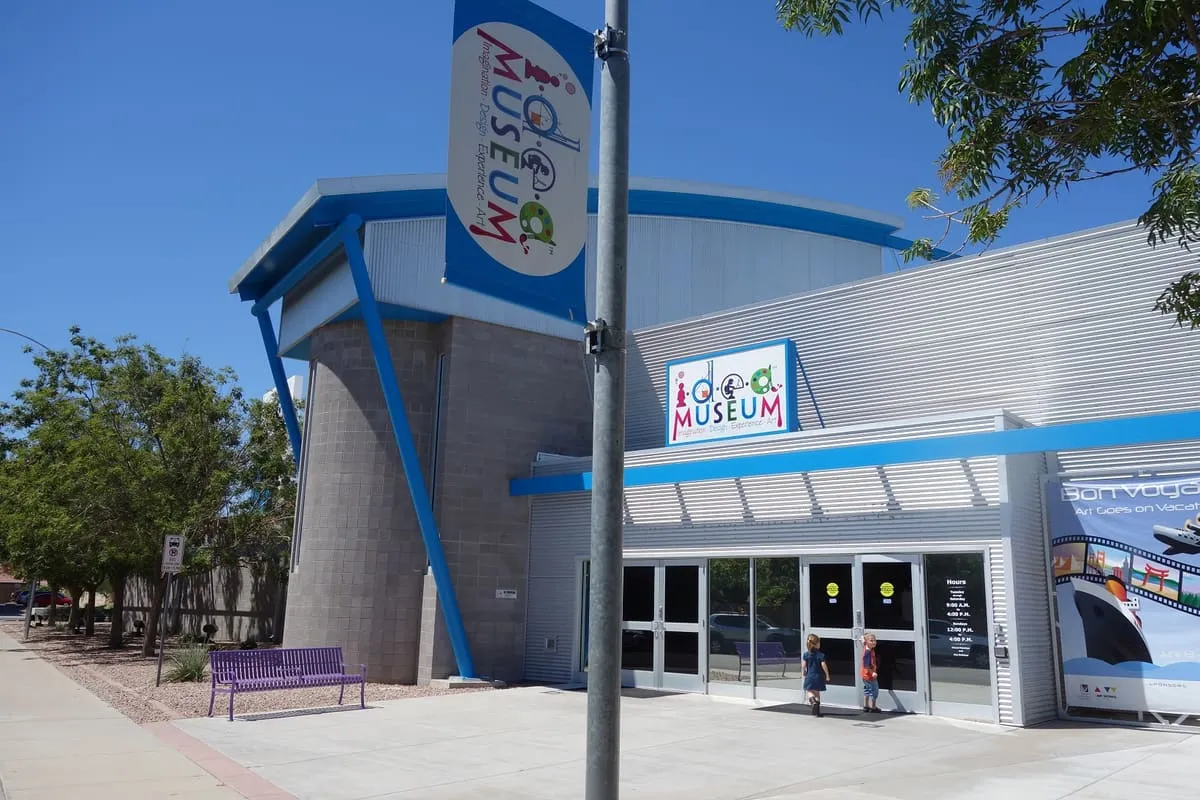
A downtown Mesa fine arts museum for children, renamed i.d.e.a. in 2014 and operated by the City of Mesa.
10 Score 32.7 out of 100 32.7
Museum
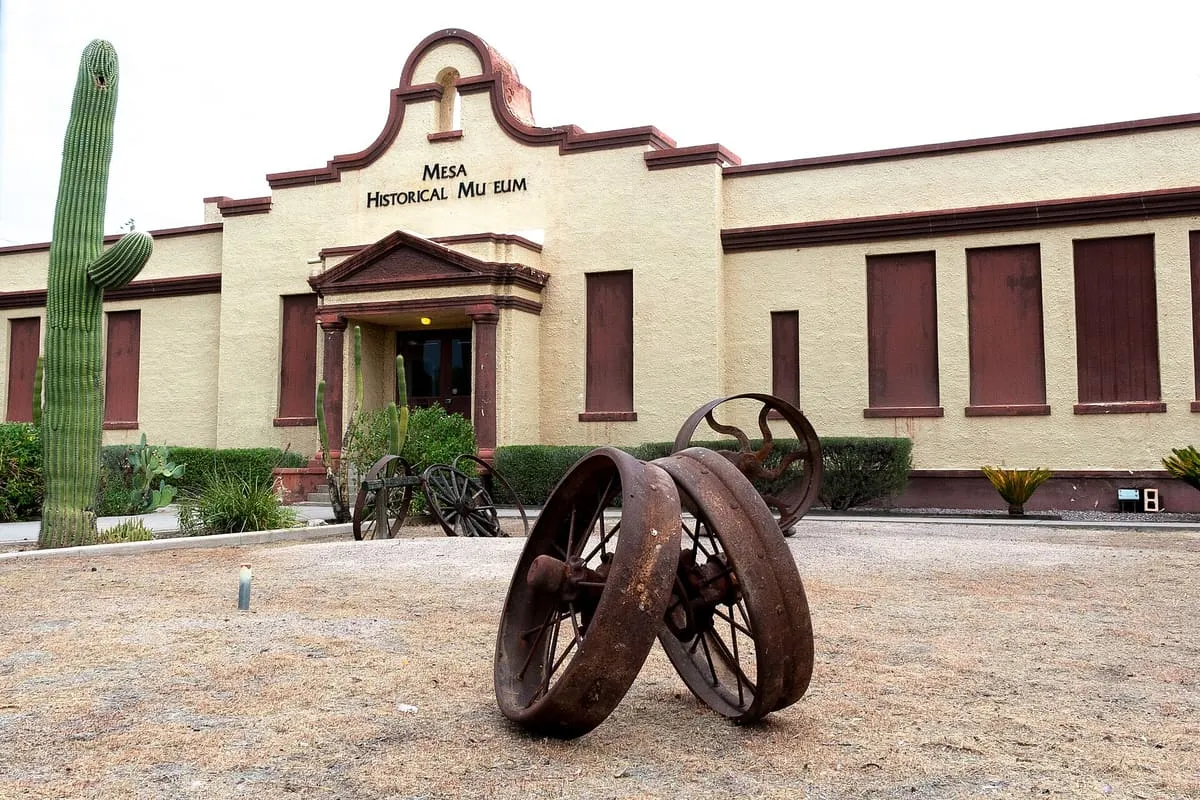
Mesa's 1987 history museum occupies the 1913 Lehi School and created the touring exhibit 'Play Ball: The Cactus League Experience'.
11 Score 32.5 out of 100 32.5
Landmark
An outdoor concert venue in central Mesa with a tiered lawn and a capacity of 4,950, opened in 1979.
12 Score 25.5 out of 100 25.5
Historic Site
Park of the Canals, in Mesa, Arizona.
13 Score 24.2 out of 100 24.2
Museum
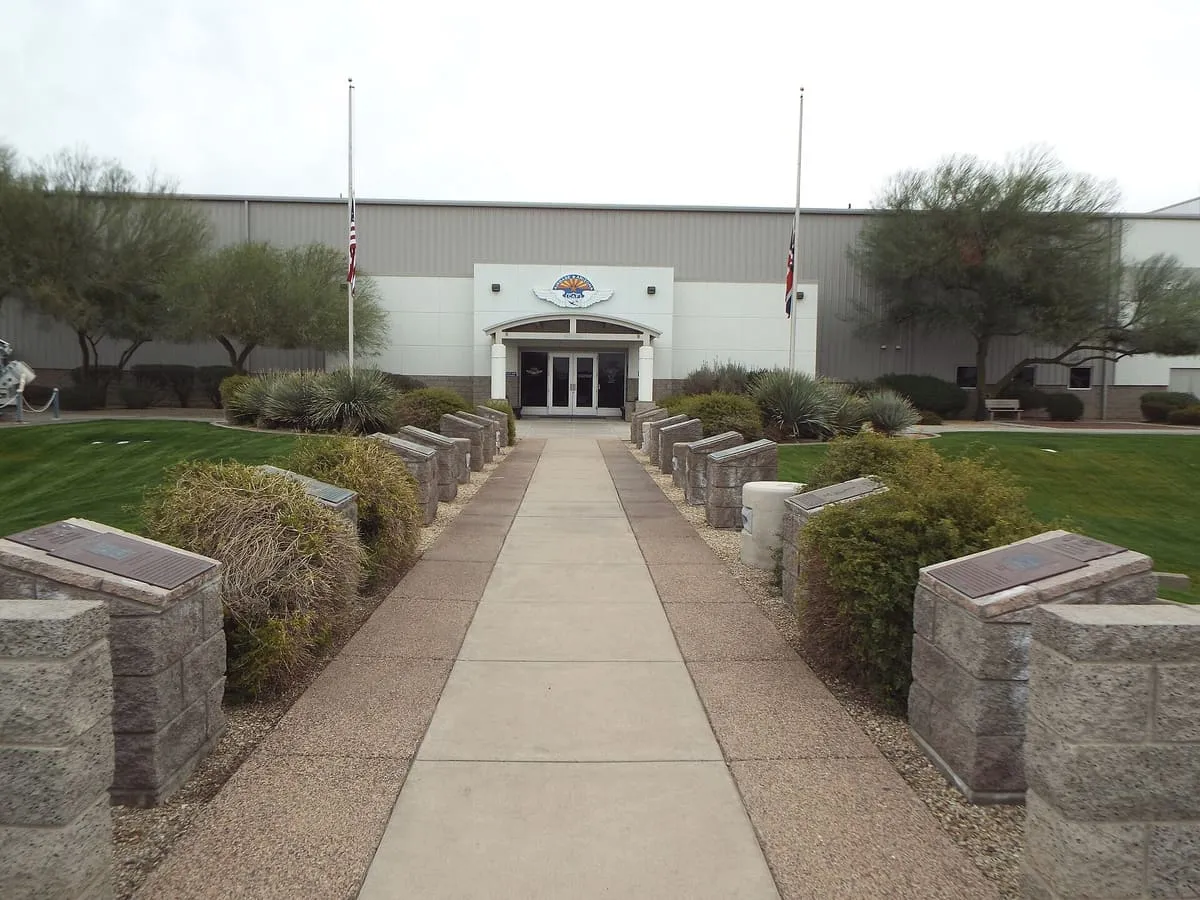
A Mesa museum at Falcon Field housing WWII aircraft, including the restored B-17 bomber Sentimental Journey, one of about 13 still flying.
14 Score 24.2 out of 100 24.2
Botanical Garden
Rose Garden at Mesa Community College, in Mesa, Arizona, holds 4,600 rose bushes of more than 450 varieties, with peak bloom in April.
15 Score 19.8 out of 100 19.8
Landmark
Jake's Unlimited, in Mesa, Arizona.
About this list Attractions are associated with the nearest recognisable destination rather than by municipal boundary, so a place just outside Mesa still appears here if that is how visitors reach it. None of these publish an official visitor count, so they are ranked on public interest and tourism significance. Each page says so.
Near Mesa The closest attractions outside Mesa, measured from the places listed above rather than from a town centre nothing occupies.
Browse more nearby: Maricopa County · Statewide ranking