Home Categories Museums 101 museums
1 Score 61.3 out of 100 61.3
Museum
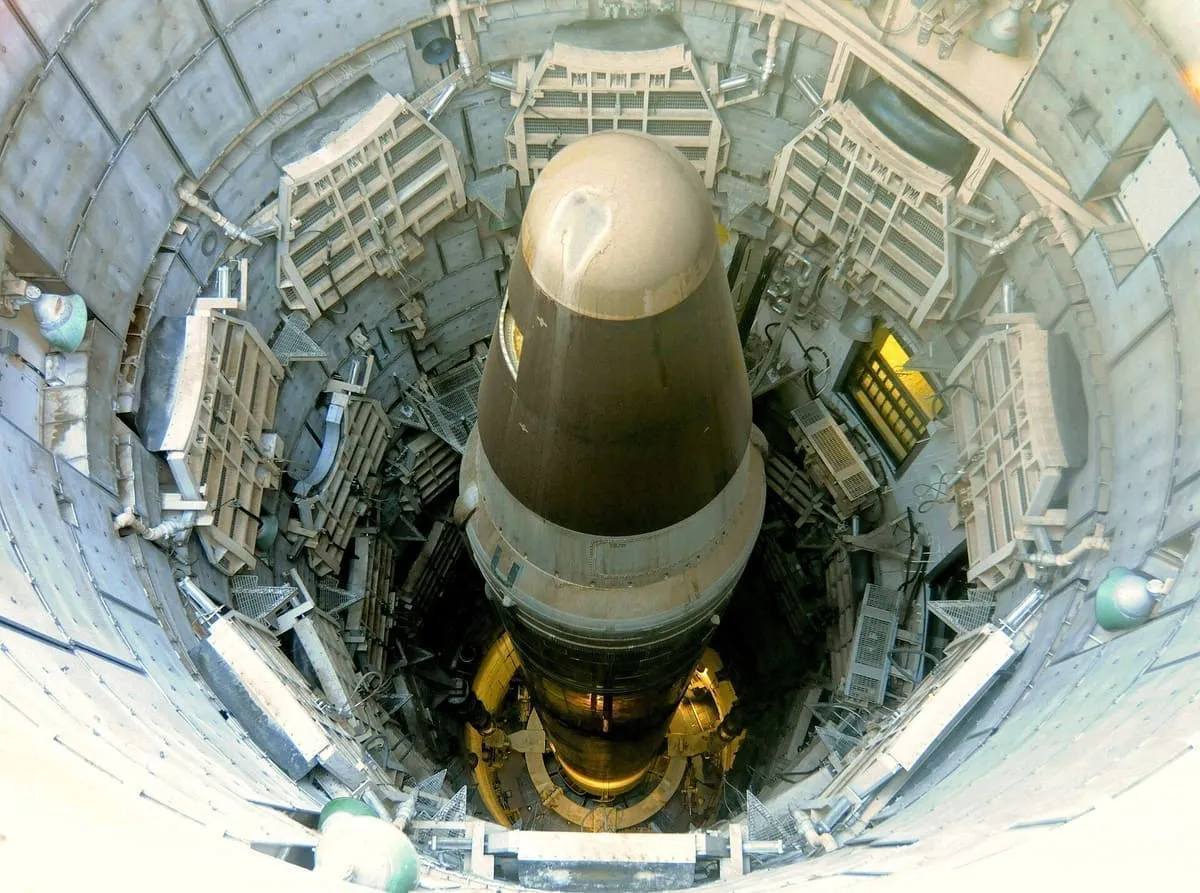
A deactivated Titan II missile silo south of Tucson, and the only place in the country where a complete ICBM can be seen in place.
2 Score 58.7 out of 100 58.7
Museum
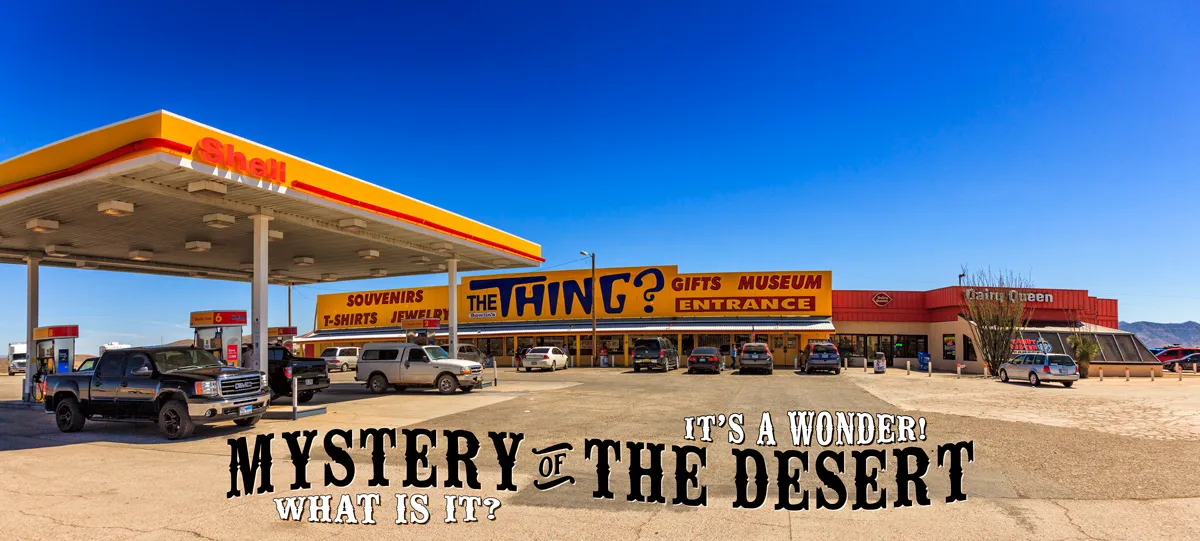
A roadside attraction on Interstate 10 displaying a supposed mummified mother and child, advertised for miles by billboards.
3 Score 56.0 out of 100 56.0
Museum
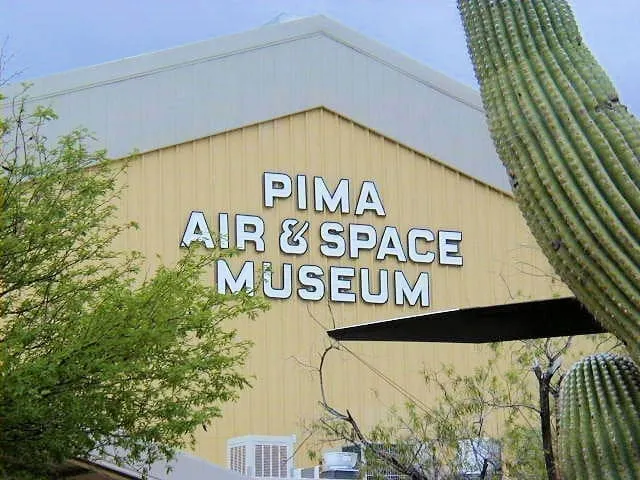
An aerospace museum in Tucson displaying nearly 400 aircraft, and home to the Arizona Aviation Hall of Fame since 1991.
4 Score 51.3 out of 100 51.3
Museum
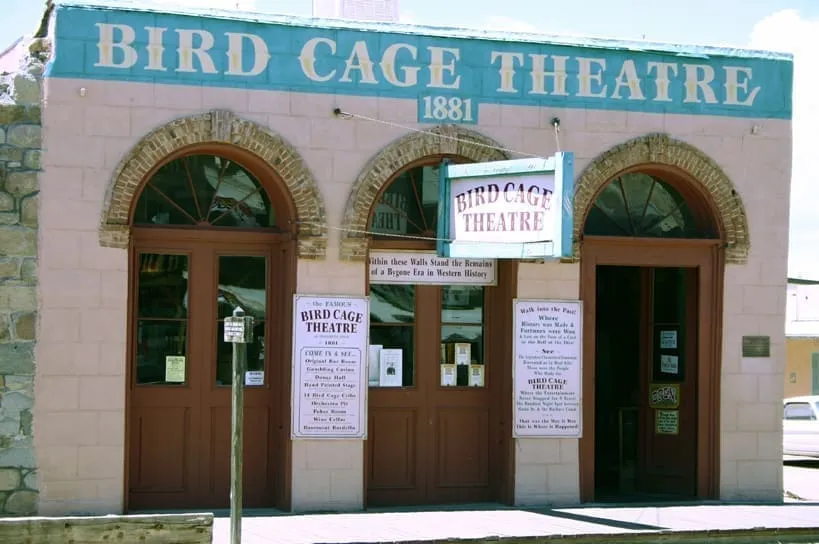
A former theatre in Tombstone that operated intermittently from December 1881 to 1894, and was leased as a coffee shop from 1934.
5 Score 50.1 out of 100 50.1
Museum
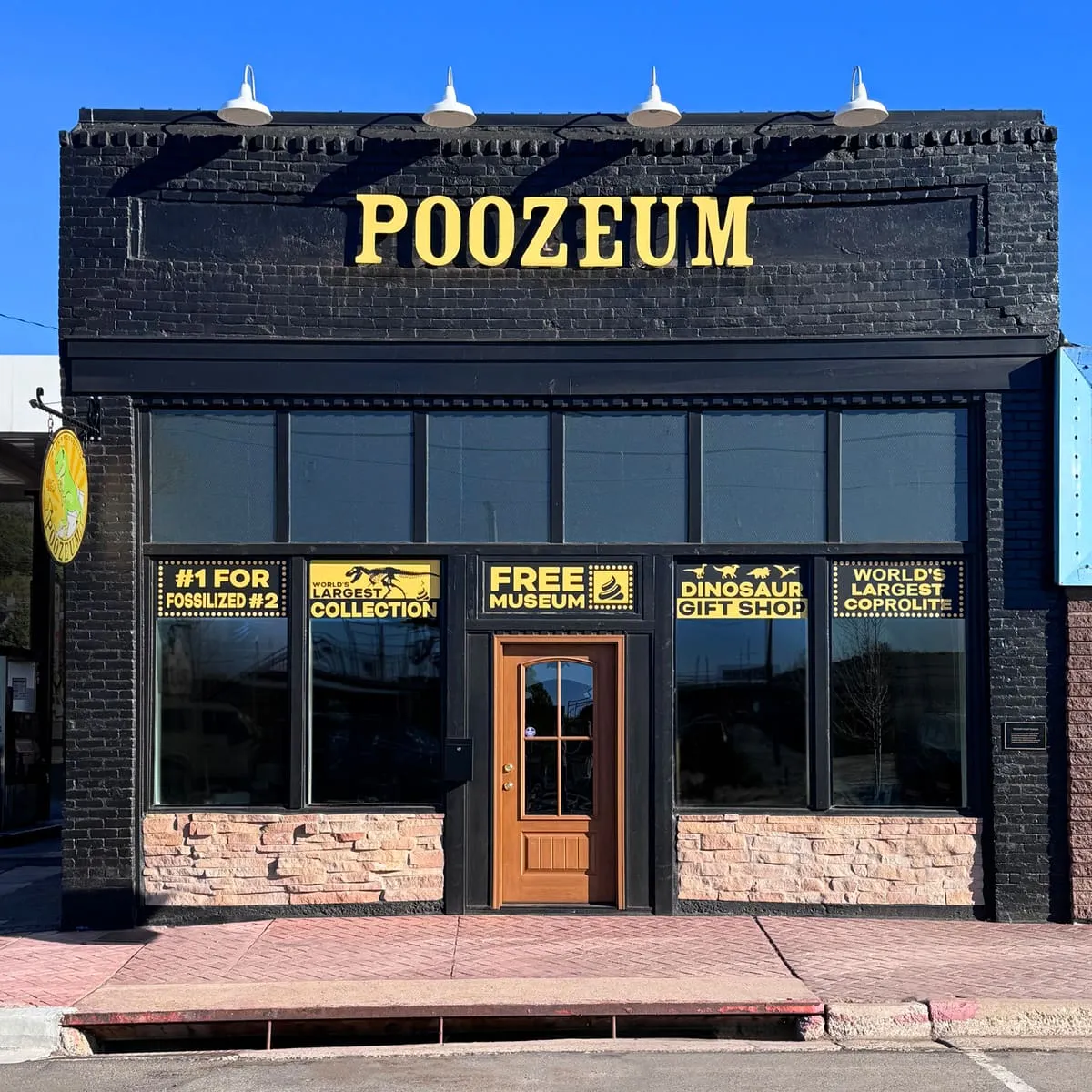
A museum in Williams devoted to coprolites, holding 8,000 specimens including the largest yet found from a carnivore.
6 Score 50.1 out of 100 50.1
Museum
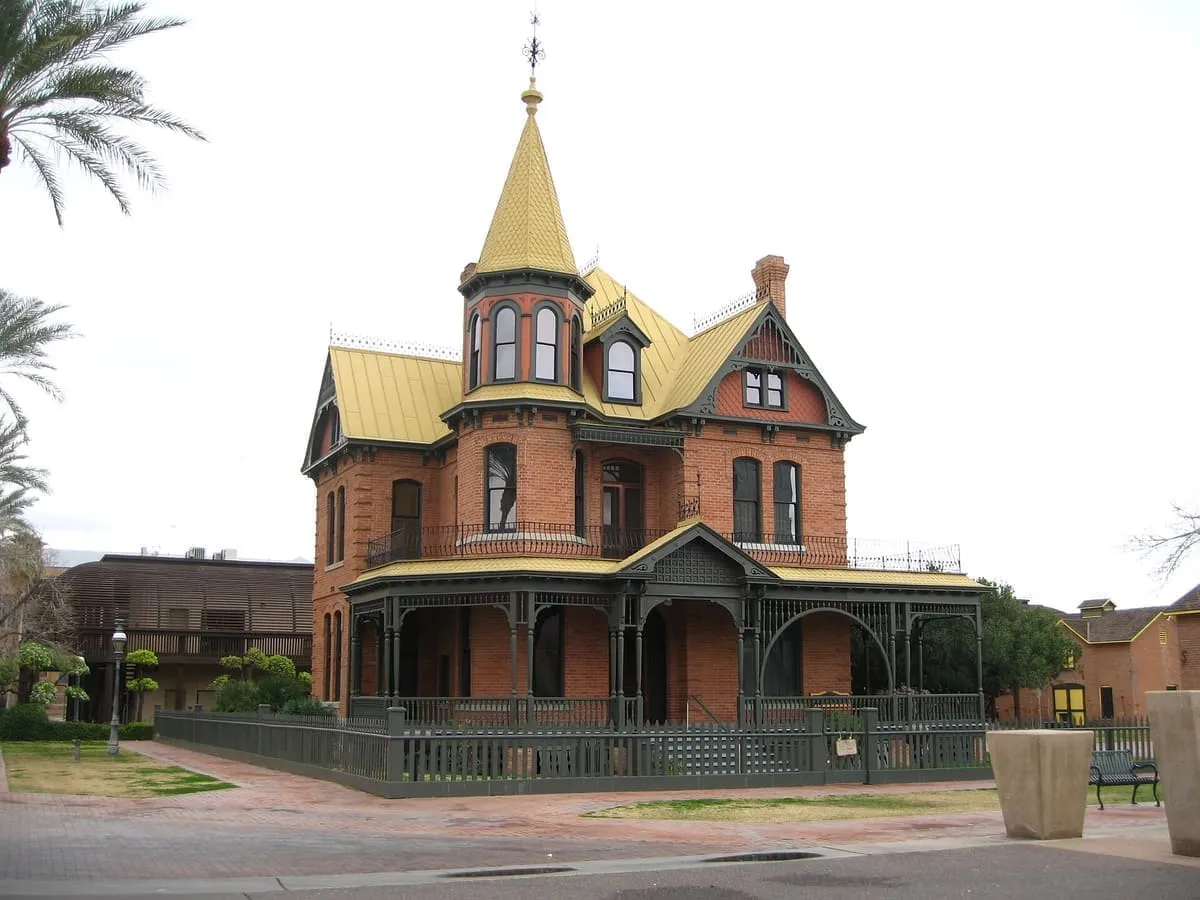
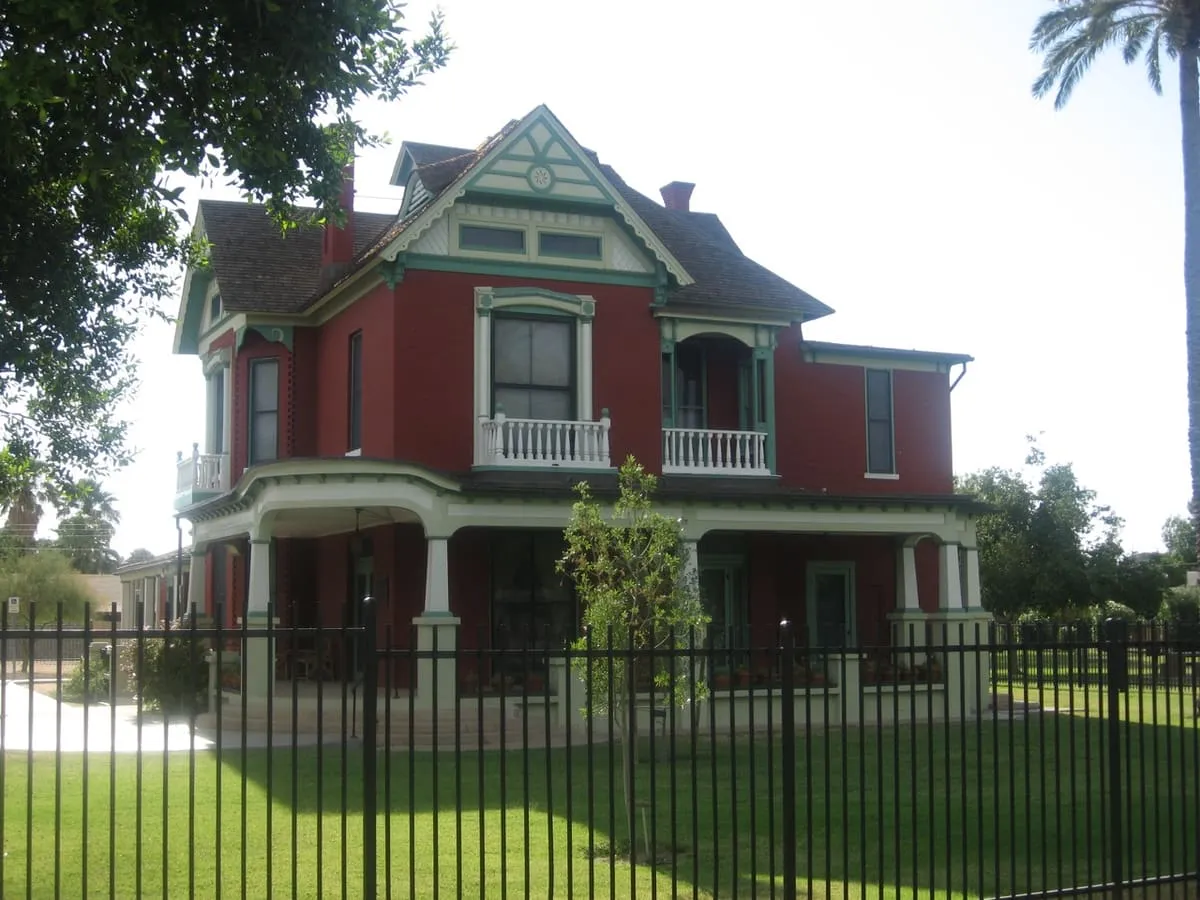
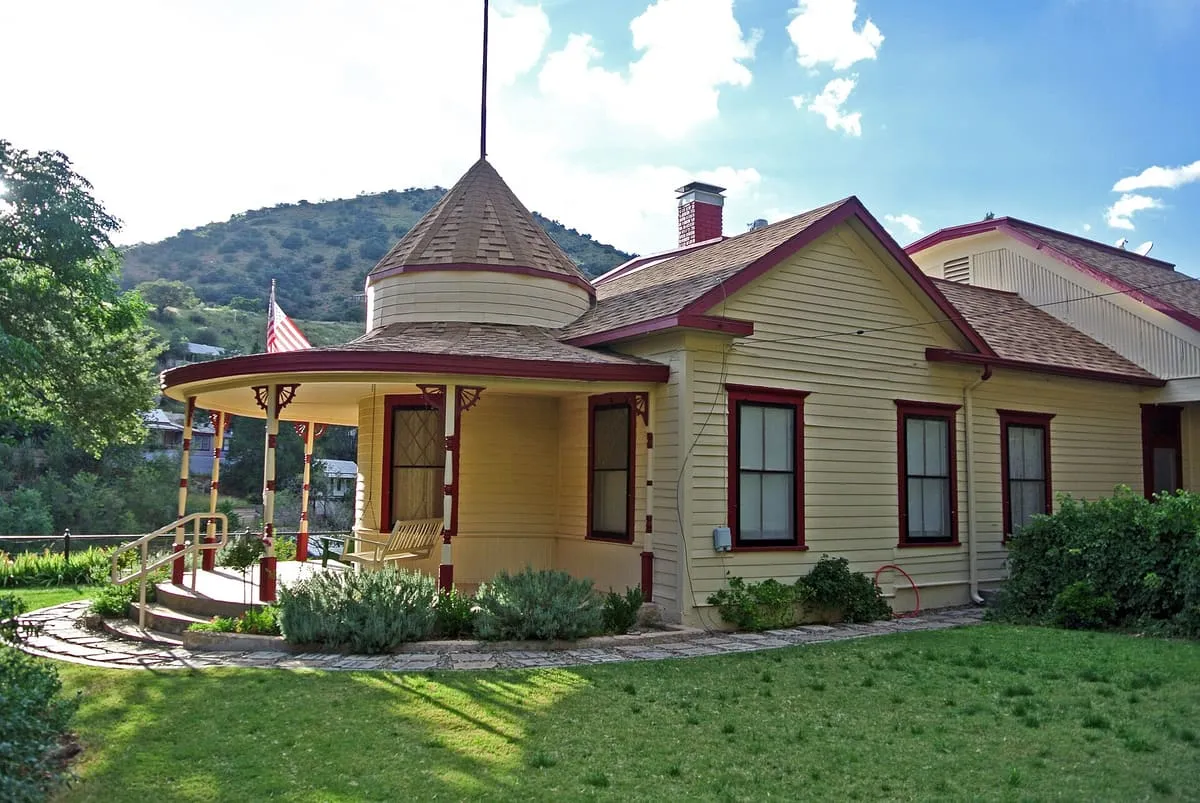
An 1890s Victorian house museum in Heritage Square, Downtown Phoenix, listed on the National Register of Historic Places in 1971.
7 Score 48.5 out of 100 48.5
Museum
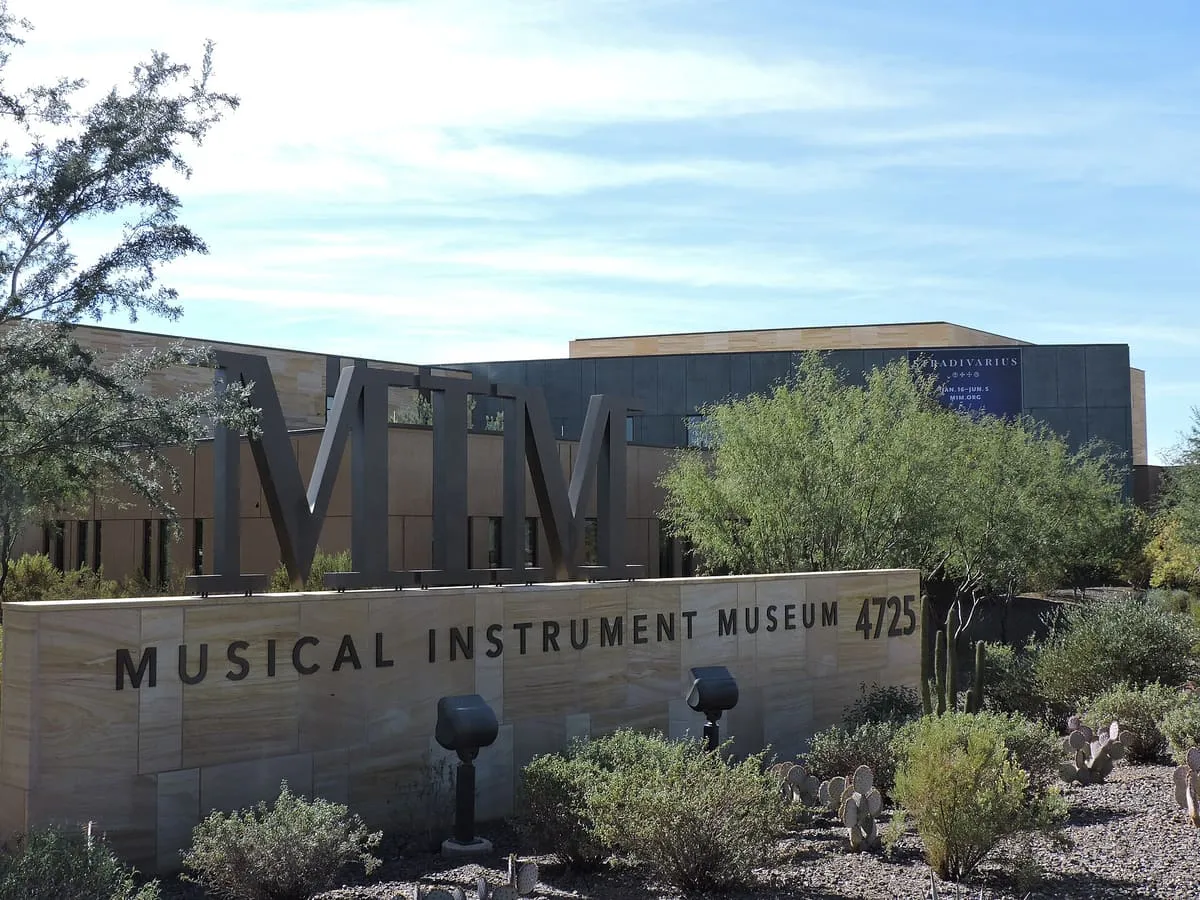
A Phoenix museum opened in 2010 holding over 15,000 instruments from nearly 200 countries, the largest of its type in the world.
8 Score 45.8 out of 100 45.8
Museum
The largest visual art museum in the south-western United States, holding more than 18,000 works across 285,000 square feet in Phoenix.
9 Score 45.6 out of 100 45.6
Museum
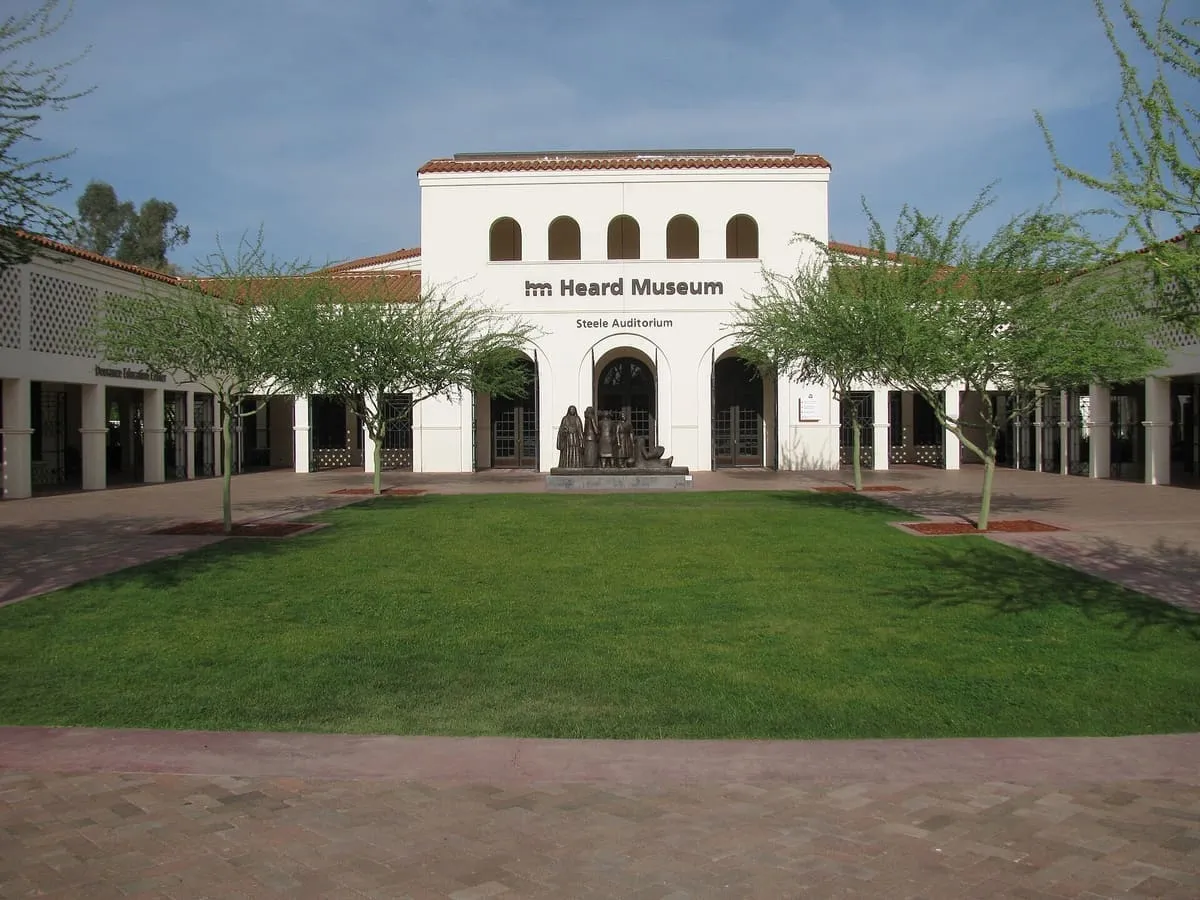
A not-for-profit museum in Phoenix devoted to American Indian art, presenting Native stories from a first-person perspective.
10 Score 42.2 out of 100 42.2
Museum
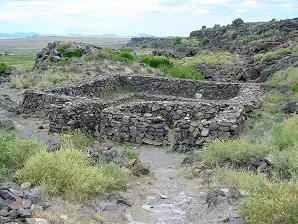
An Ancestral Puebloan archaeological site near Springerville with an astronomical calendar, great kiva and petroglyphs, an NHL since 1964.
11 Score 41.4 out of 100 41.4
Museum
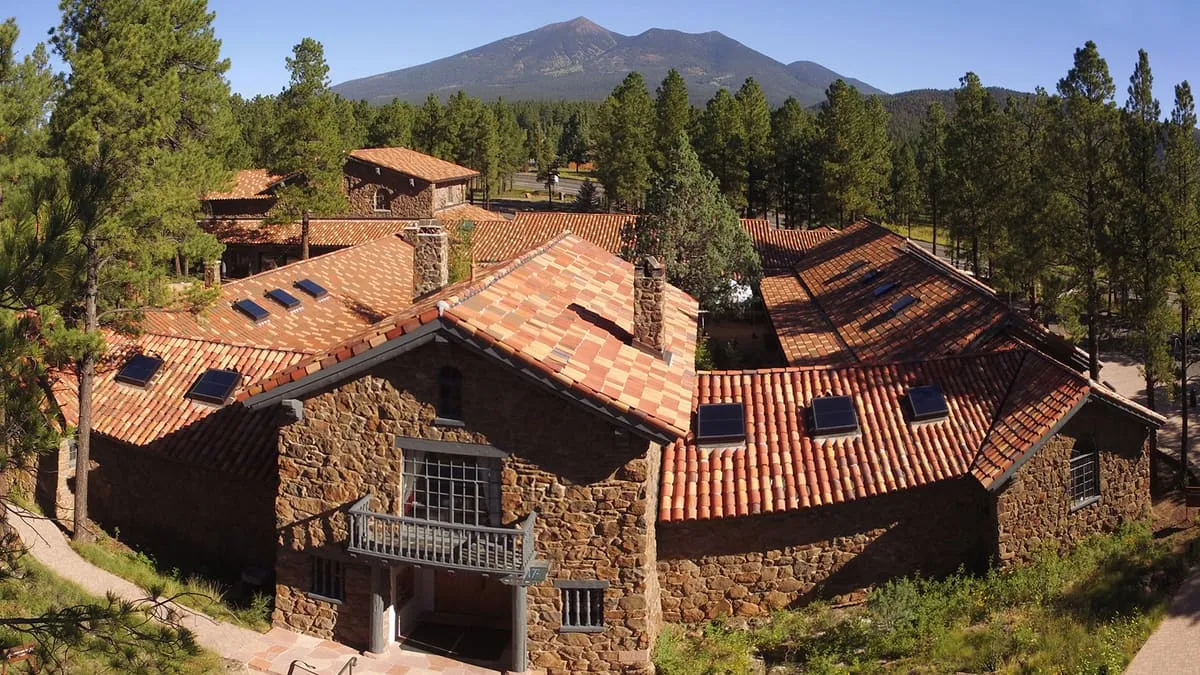
A Flagstaff museum founded in 1928, holding Indigenous material and natural history collections from the Colorado Plateau.
12 Score 41.3 out of 100 41.3
Museum
An open-air museum in Prescott, opened in 1928 in the former Territorial Governor's Mansion by its founder, Sharlot M. Hall.
13 Score 41.1 out of 100 41.1
Museum
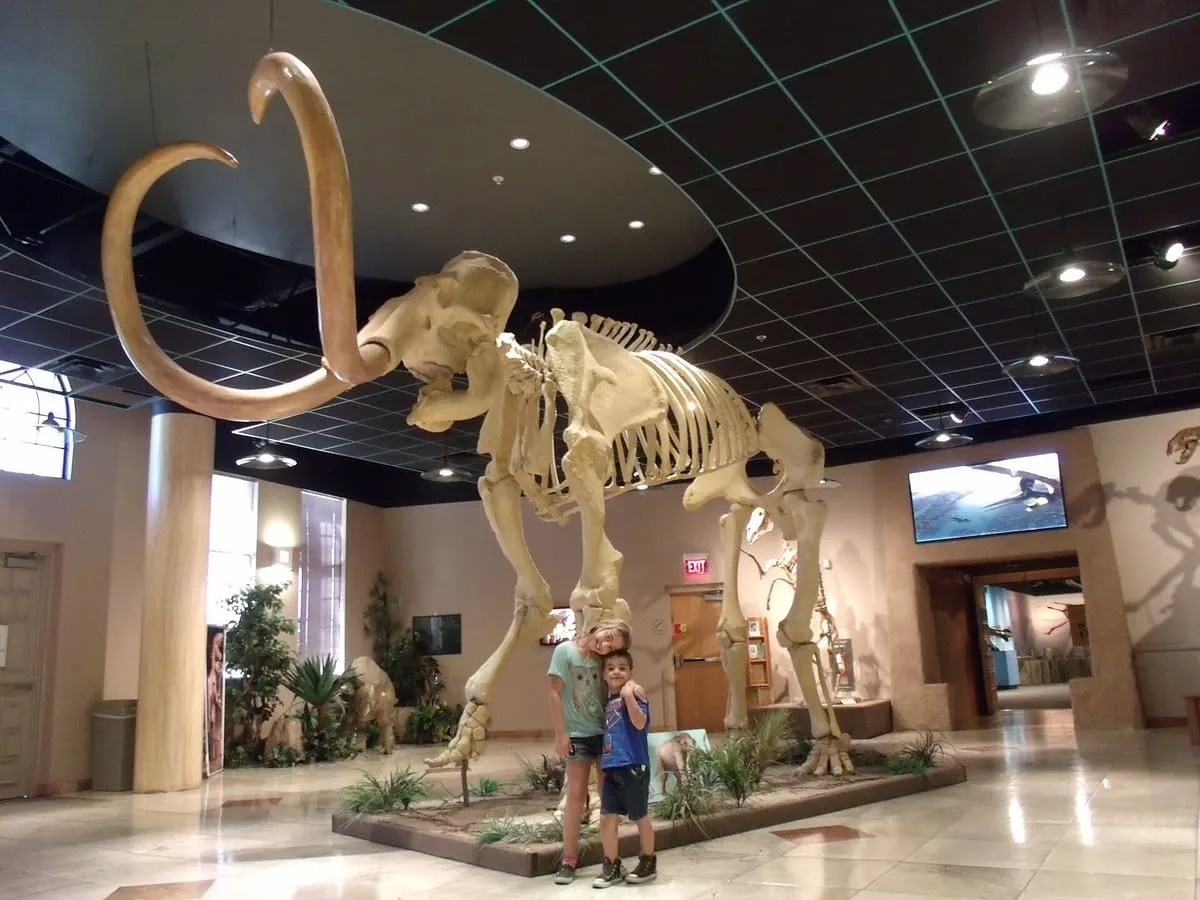
A museum in Mesa exhibiting the natural and cultural history of the South-West, and the only natural history museum in greater Phoenix.
14 Score 40.9 out of 100 40.9
Museum
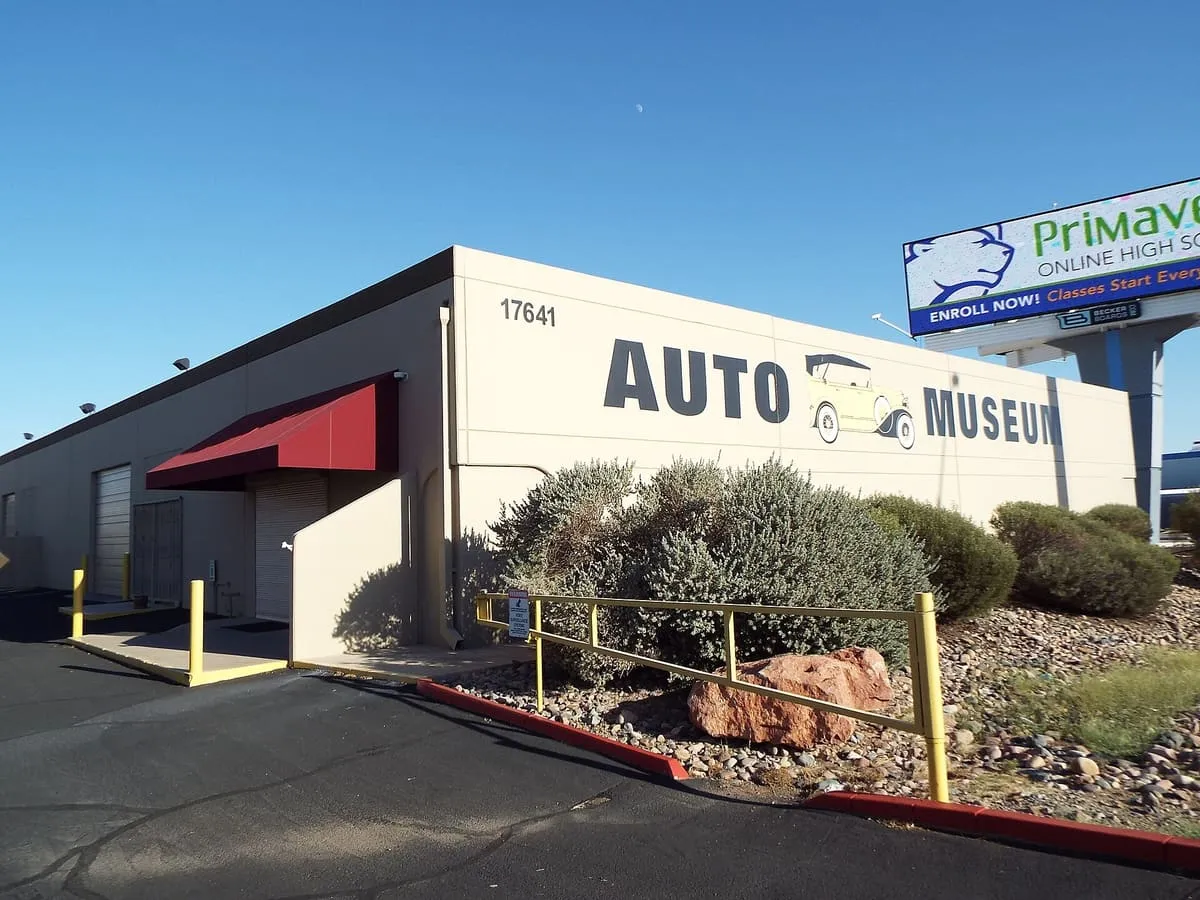
A privately owned non-profit automobile museum in Glendale, preserving collectible cars and running guided tours for school and club groups.
15 Score 40.1 out of 100 40.1
Museum
A 10-acre Tucson site of adobe buildings designed and built by the artist Ettore DeGrazia, now a museum of his work.
16 Score 39.0 out of 100 39.0
Museum
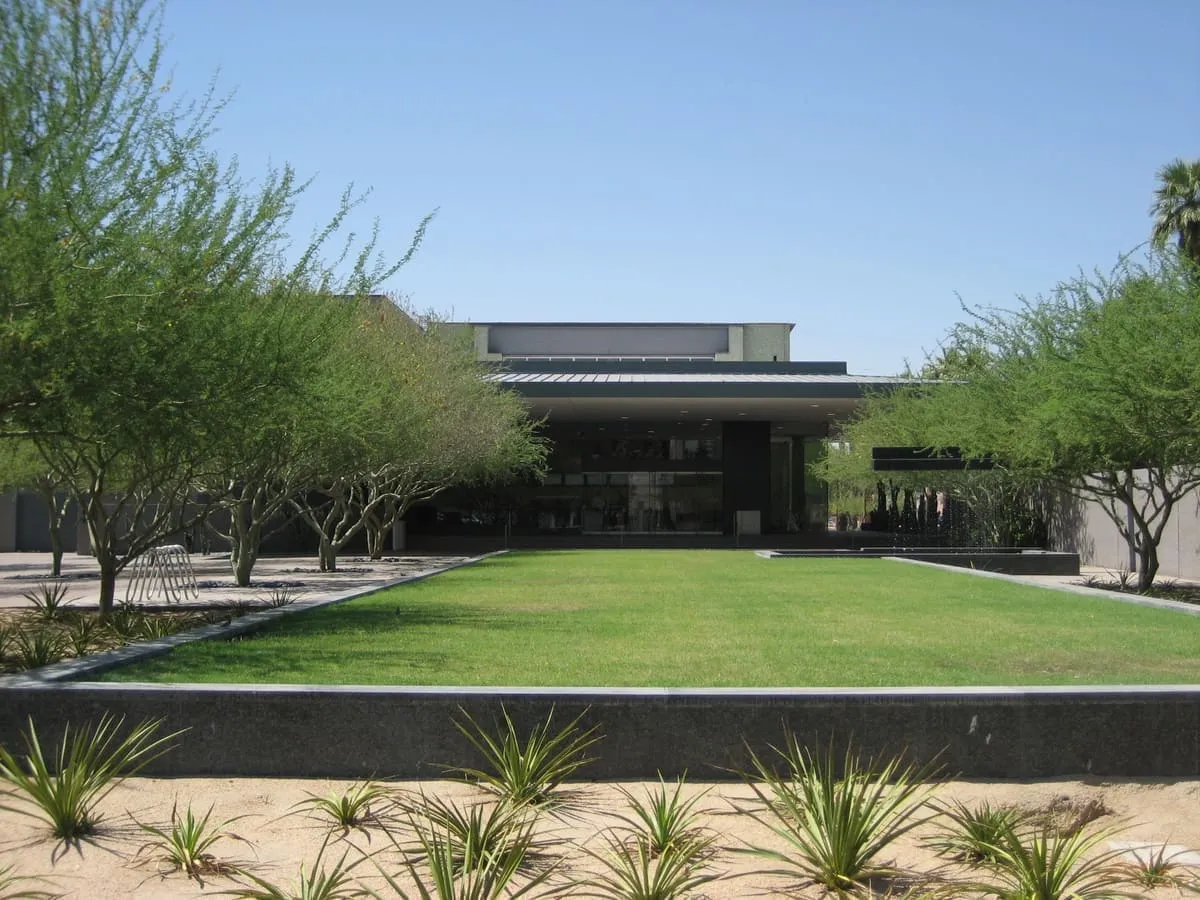
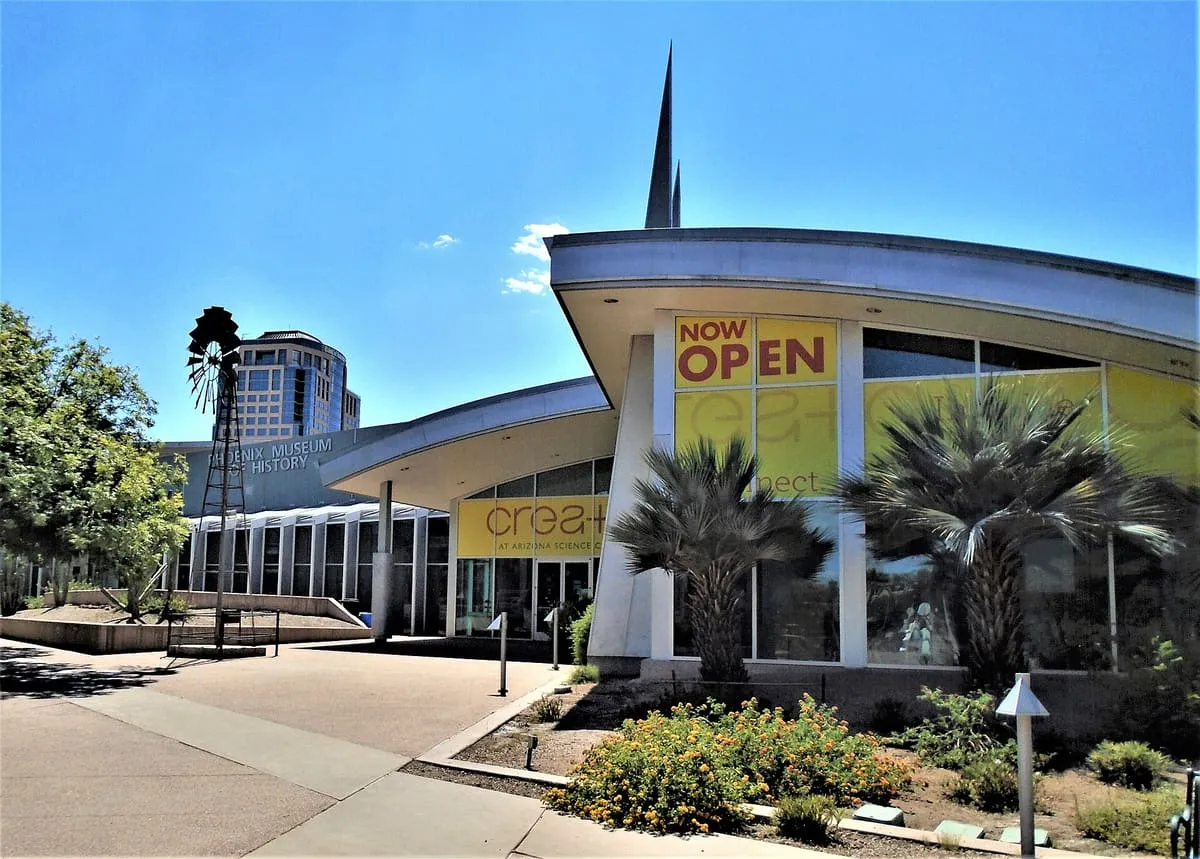
A science museum in downtown Phoenix, founded in 1984 and housed since 1997 in a building designed by Antoine Predock.
17 Score 38.2 out of 100 38.2
Museum
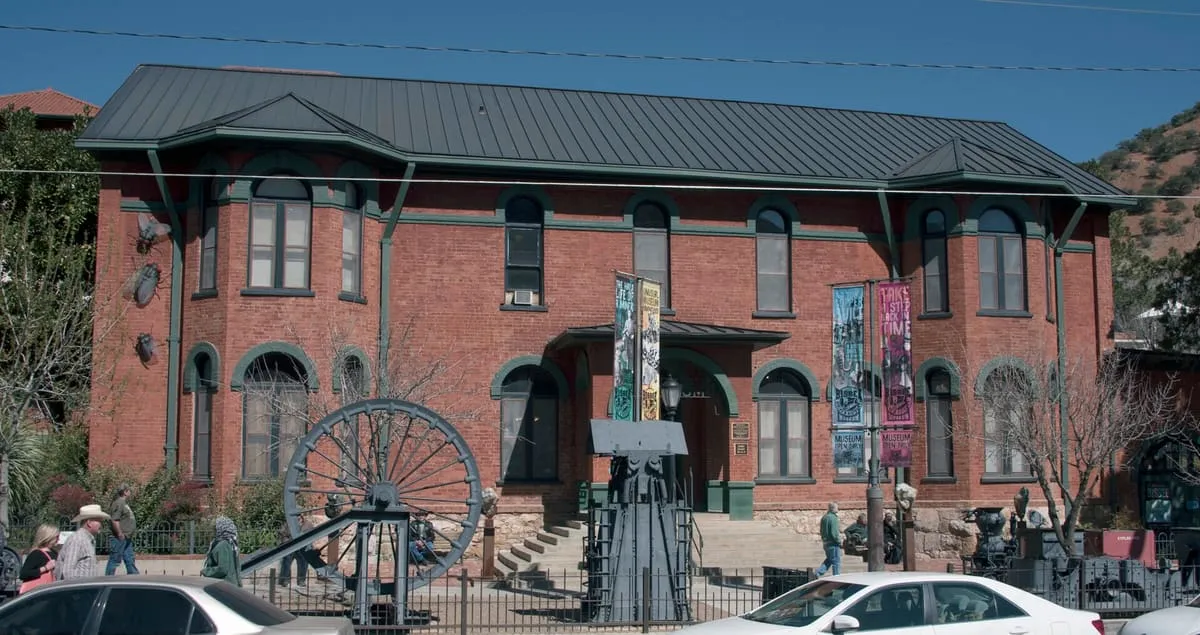
Bisbee's mining history museum occupies the Phelps Dodge General Office Building, a National Historic Landmark.
18 Score 37.6 out of 100 37.6
Museum
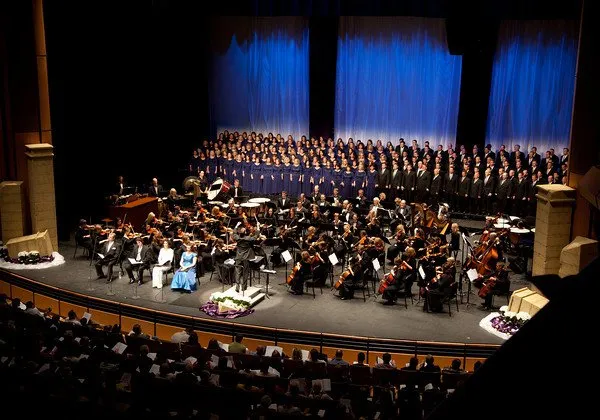
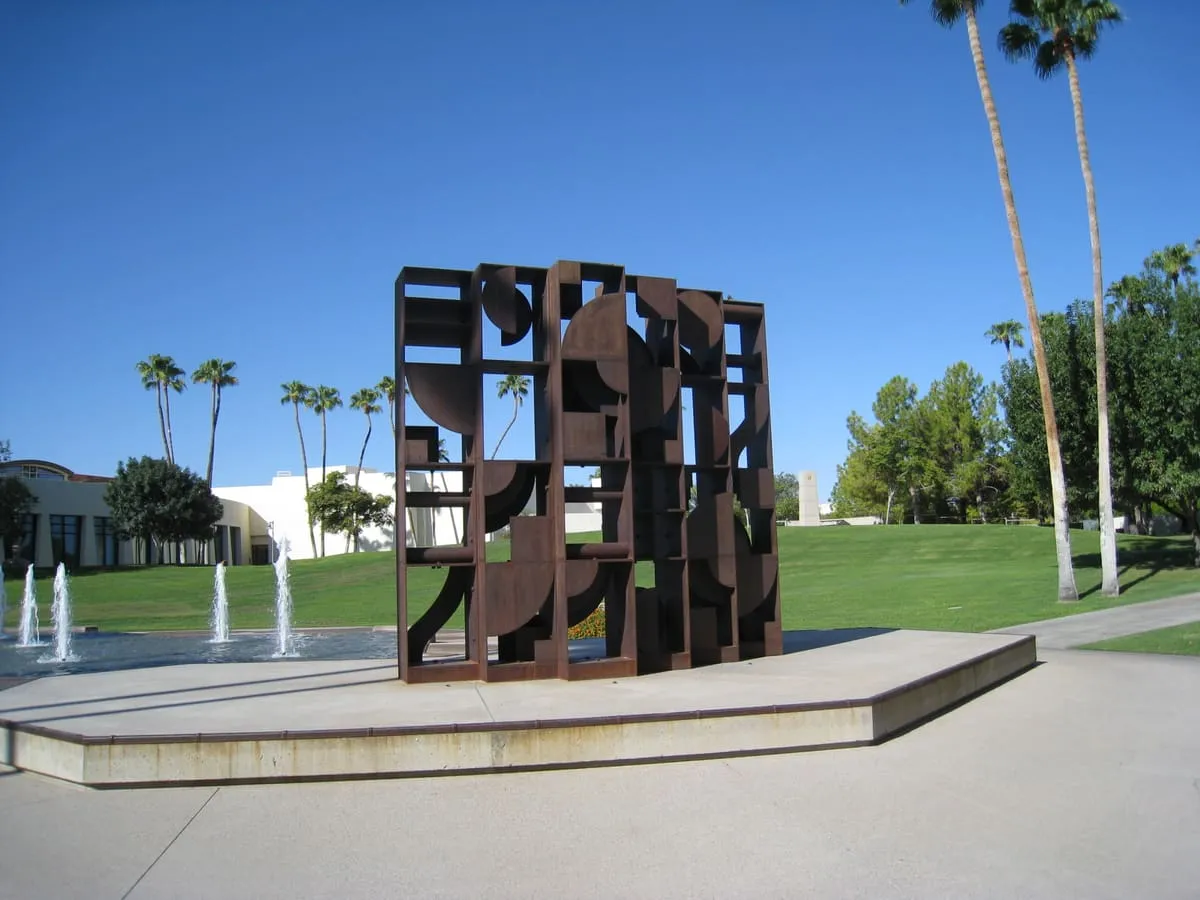
A performing and visual arts complex in downtown Mesa, completed in 2005 at a cost of $95 million and the largest in the state.
19 Score 36.0 out of 100 36.0
Museum
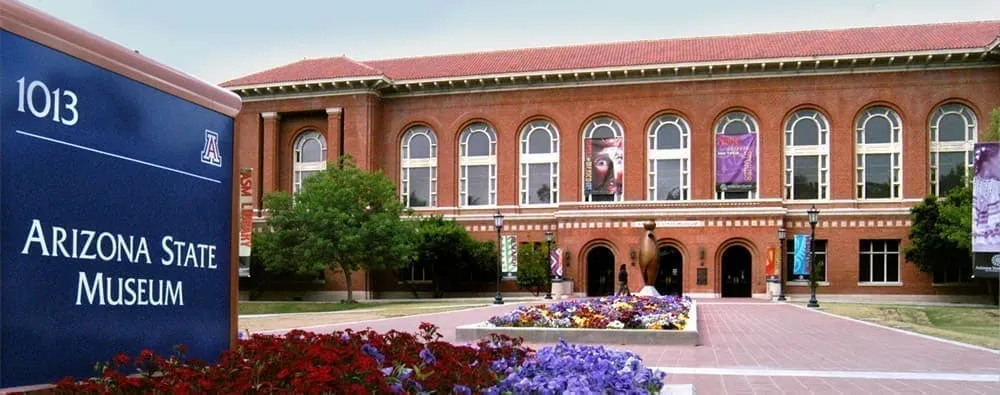
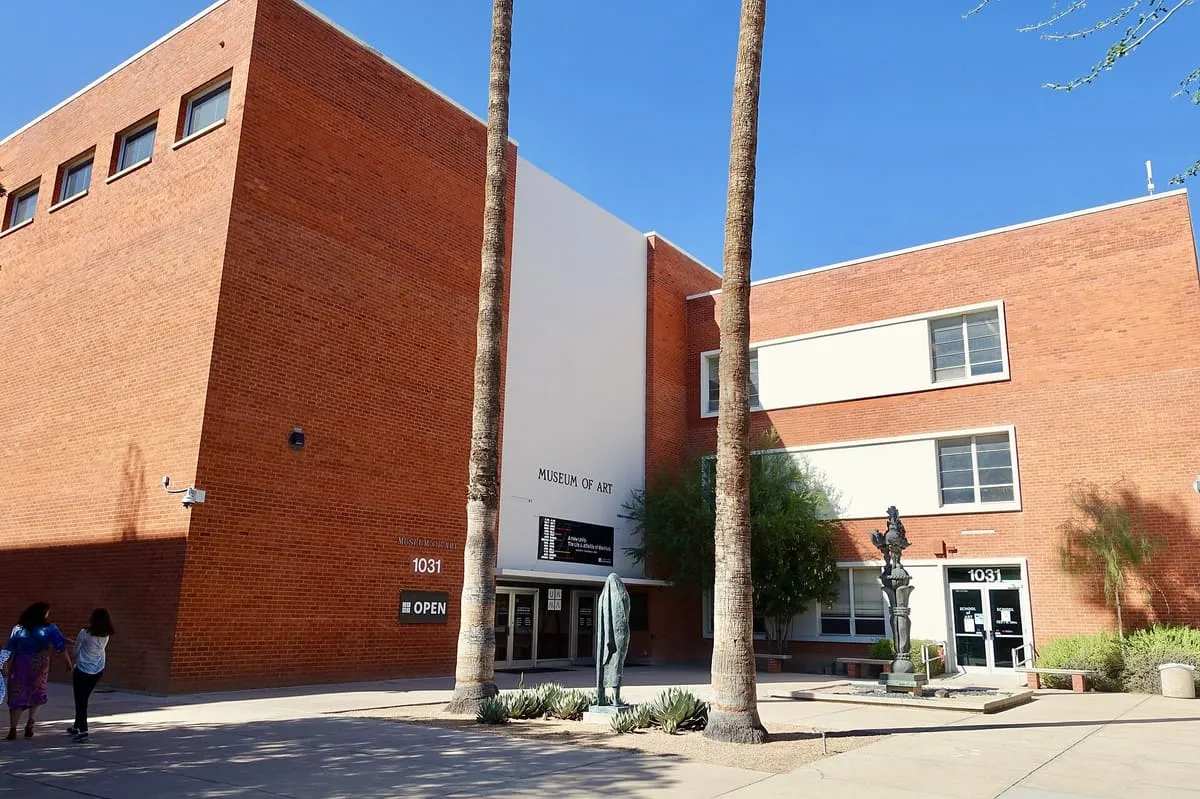
Arizona's 1893 territorial museum of archaeological resources, now operated by the University of Arizona on its Tucson campus.
20 Score 36.0 out of 100 36.0
Museum
A restored 1892 Queen Anne Style brick house in Tempe, built by an early settler and listed on the National Register of Historic Places.
21 Score 35.7 out of 100 35.7
Museum
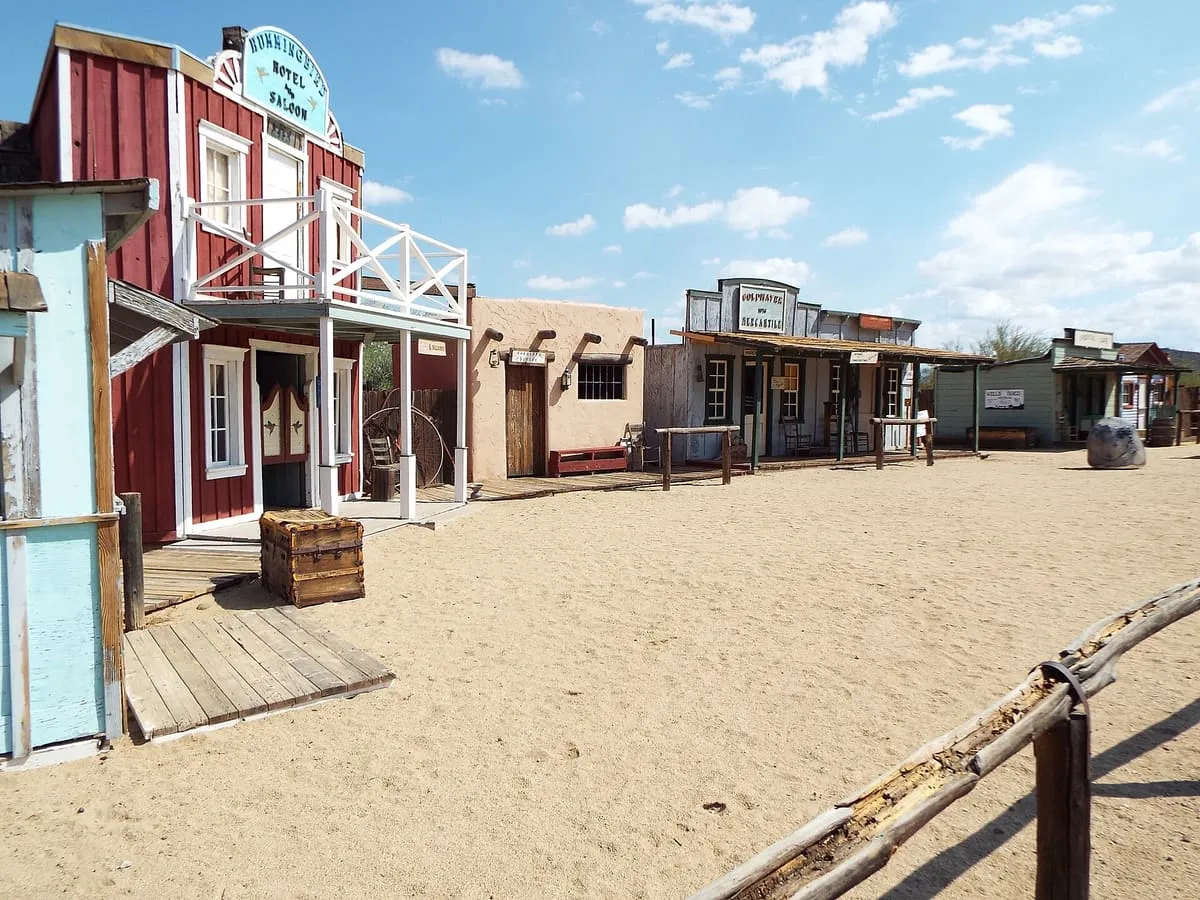
A 90-acre open-air museum between Phoenix and Anthem, recreating an 1800s frontier town across 30 original and reconstructed buildings.
22 Score 34.7 out of 100 34.7
Museum
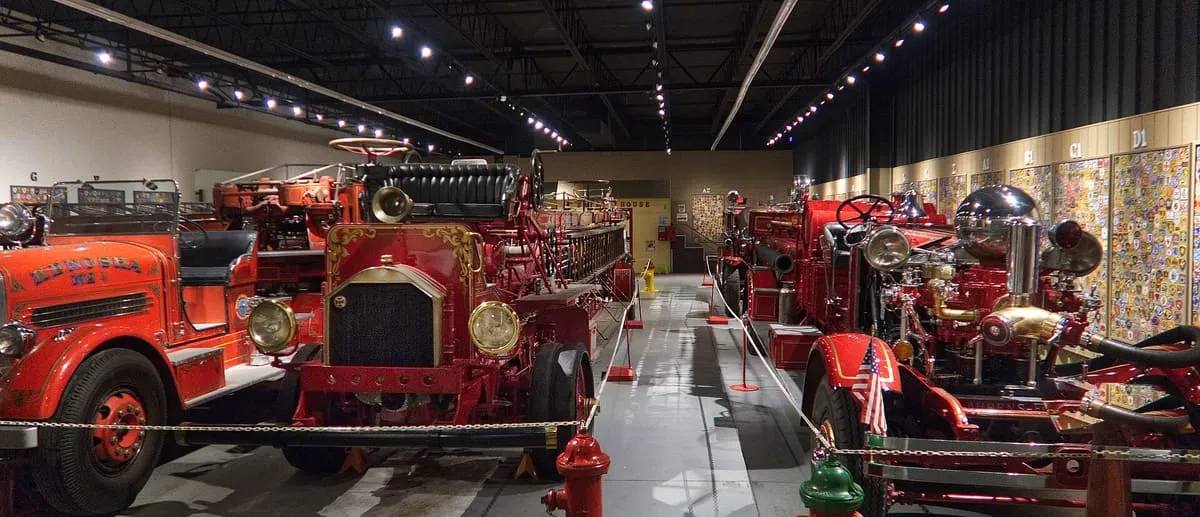
The world's largest historical firefighting museum, in Phoenix, holding equipment from 1725 to 1968 and the National Firefighting Hall of Heroes.
23 Score 34.5 out of 100 34.5
Museum
A 43,000-square-foot museum in Old Town Scottsdale, opened in 2015, covering the art, culture and history of the American West.
24 Score 34.4 out of 100 34.4
Museum
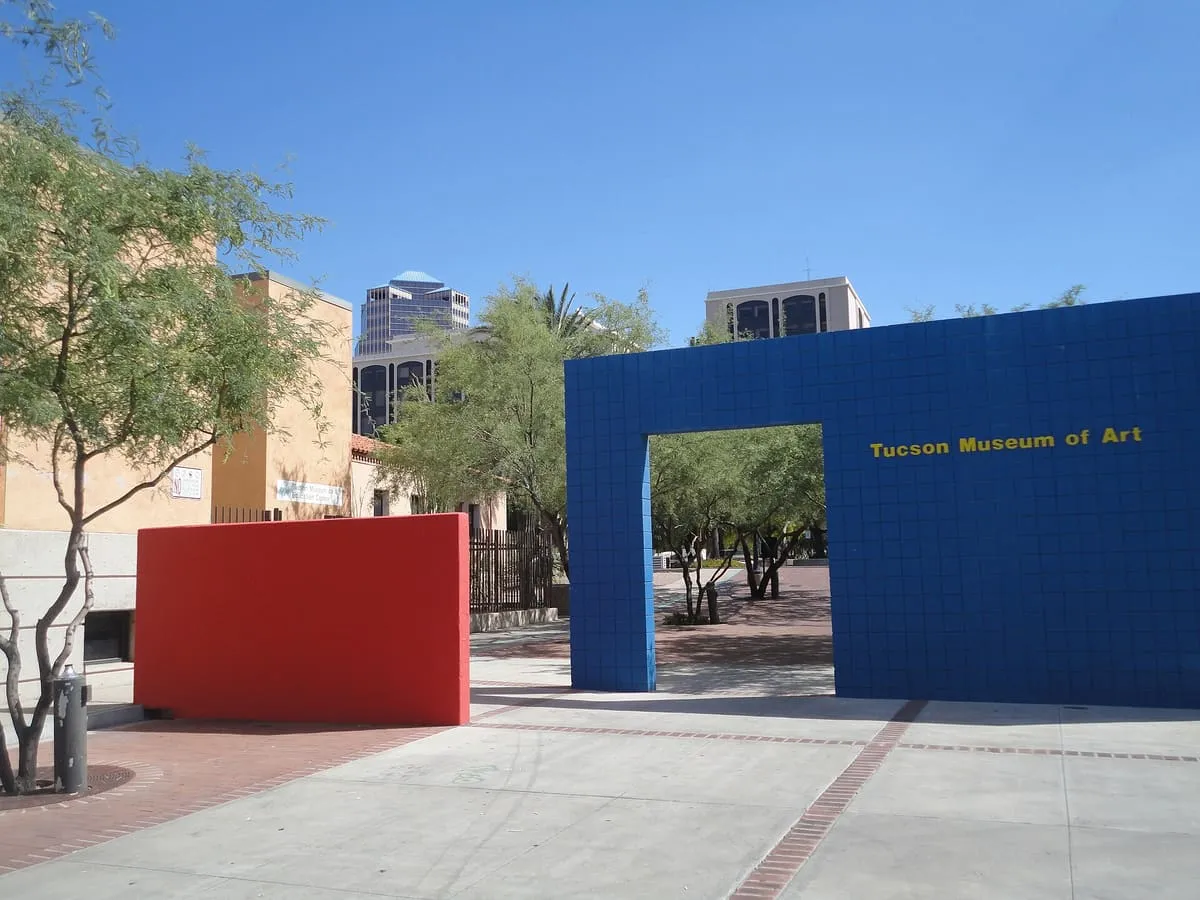
A 74,000-square-foot art museum on a four-acre block in downtown Tucson, combining a modern museum with adapted 19th-century adobe houses.
25 Score 33.5 out of 100 33.5
Museum
A University of Arizona museum with more than 6,000 works, including a 15th-century Spanish altarpiece from Ciudad Rodrigo.
26 Score 33.3 out of 100 33.3
Museum
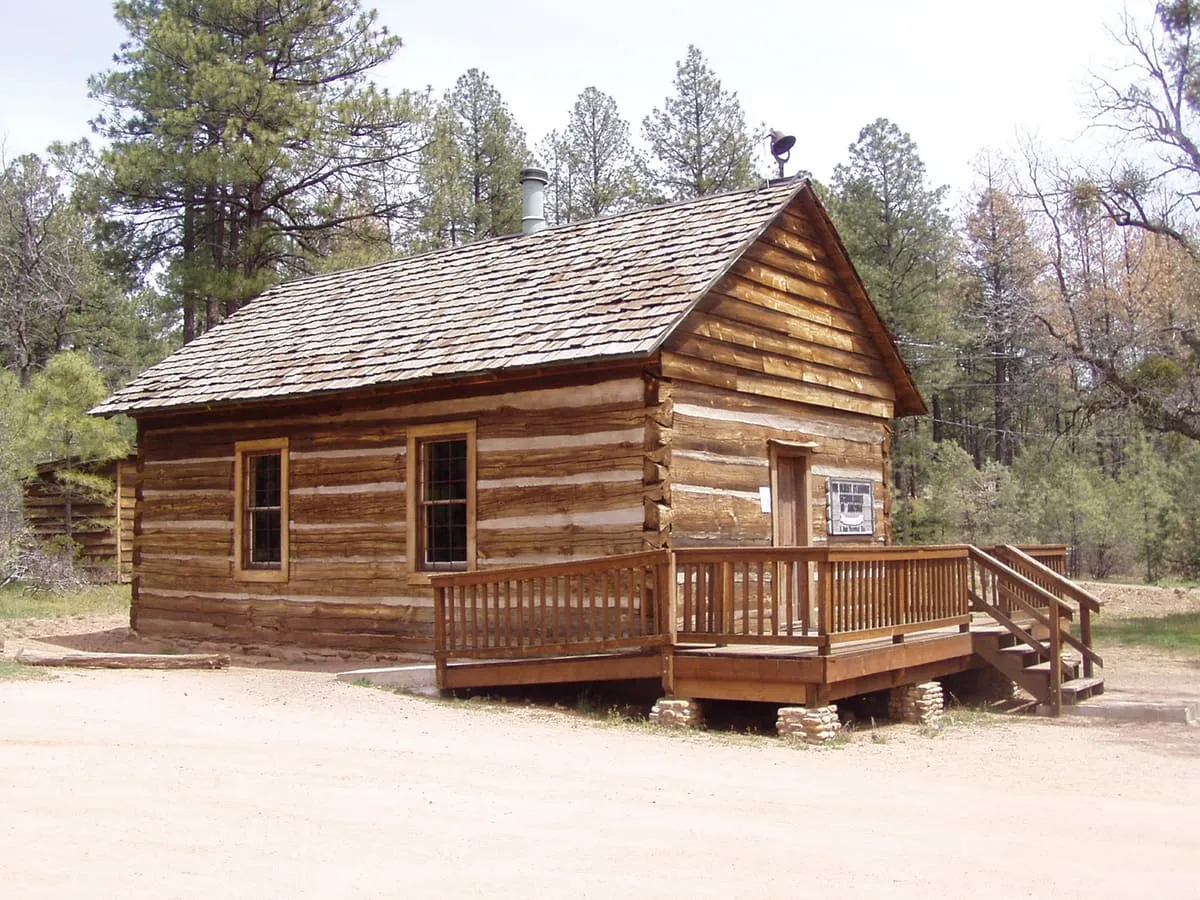
An 1885 log schoolhouse in Strawberry, often called Arizona's oldest, though the 1879 Arivaca Schoolhouse predates it.
27 Score 32.8 out of 100 32.8
Museum
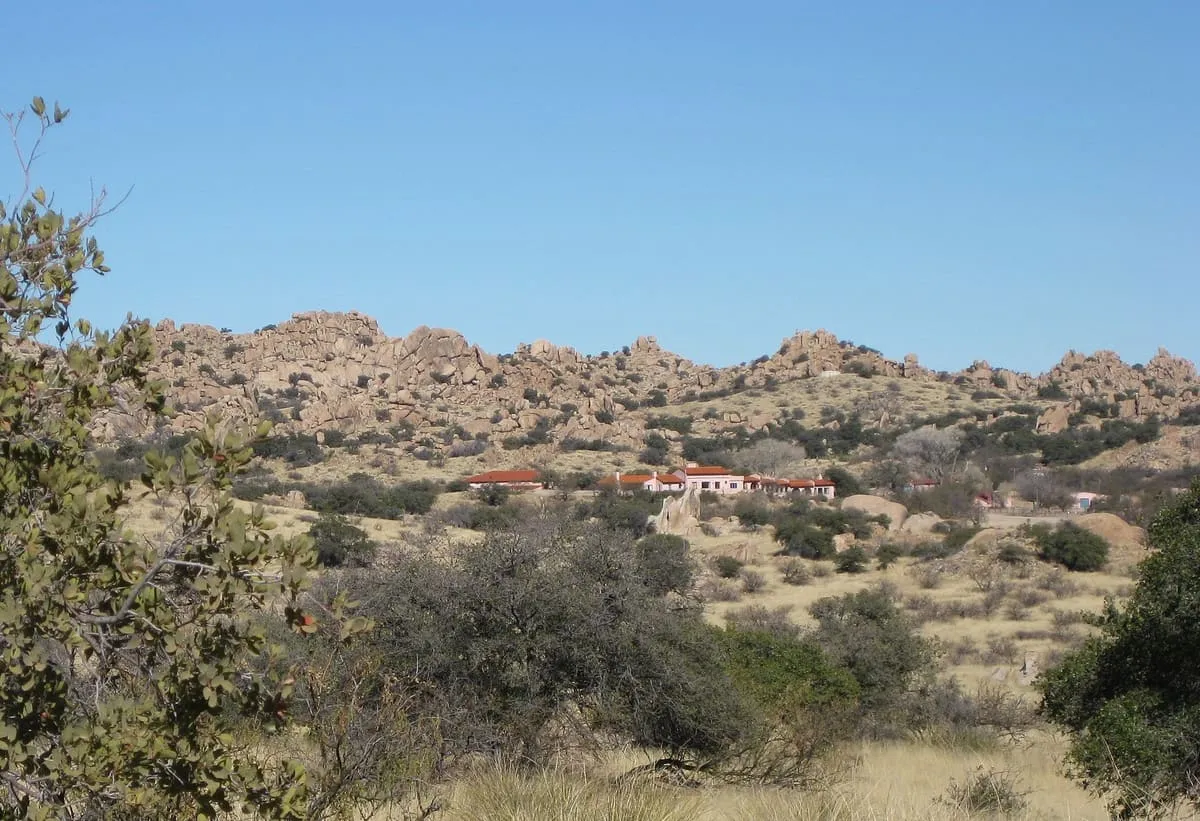
A private museum and research facility in Cochise County's Texas Canyon, dedicated to Native American cultures and histories.
28 Score 32.7 out of 100 32.7
Museum
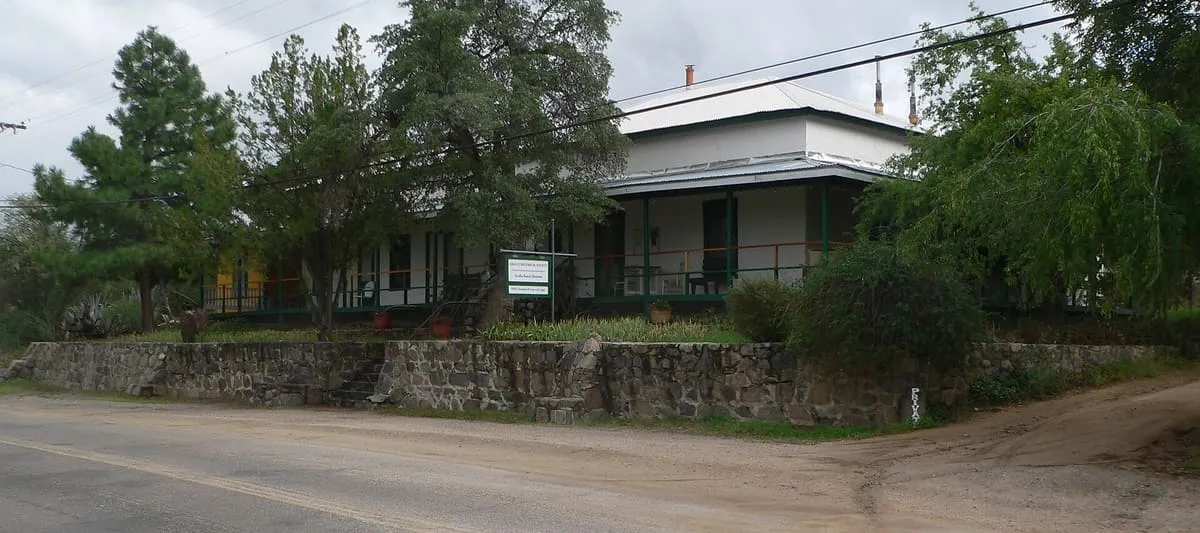
A historic Oracle ranch complex built 1885-1930, listed on the National Register in 1984 and run as a museum by the Oracle Historical Society.
29 Score 32.7 out of 100 32.7
Museum
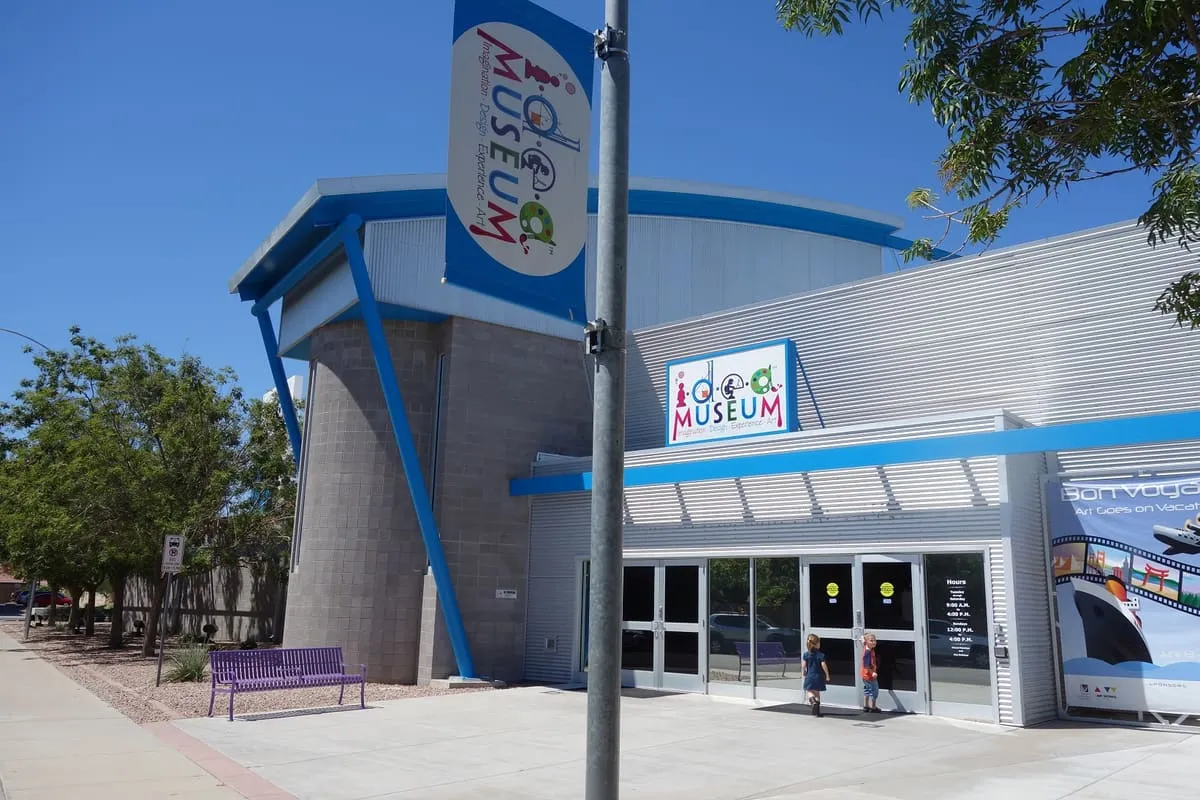
A downtown Mesa fine arts museum for children, renamed i.d.e.a. in 2014 and operated by the City of Mesa.
30 Score 32.7 out of 100 32.7
Museum
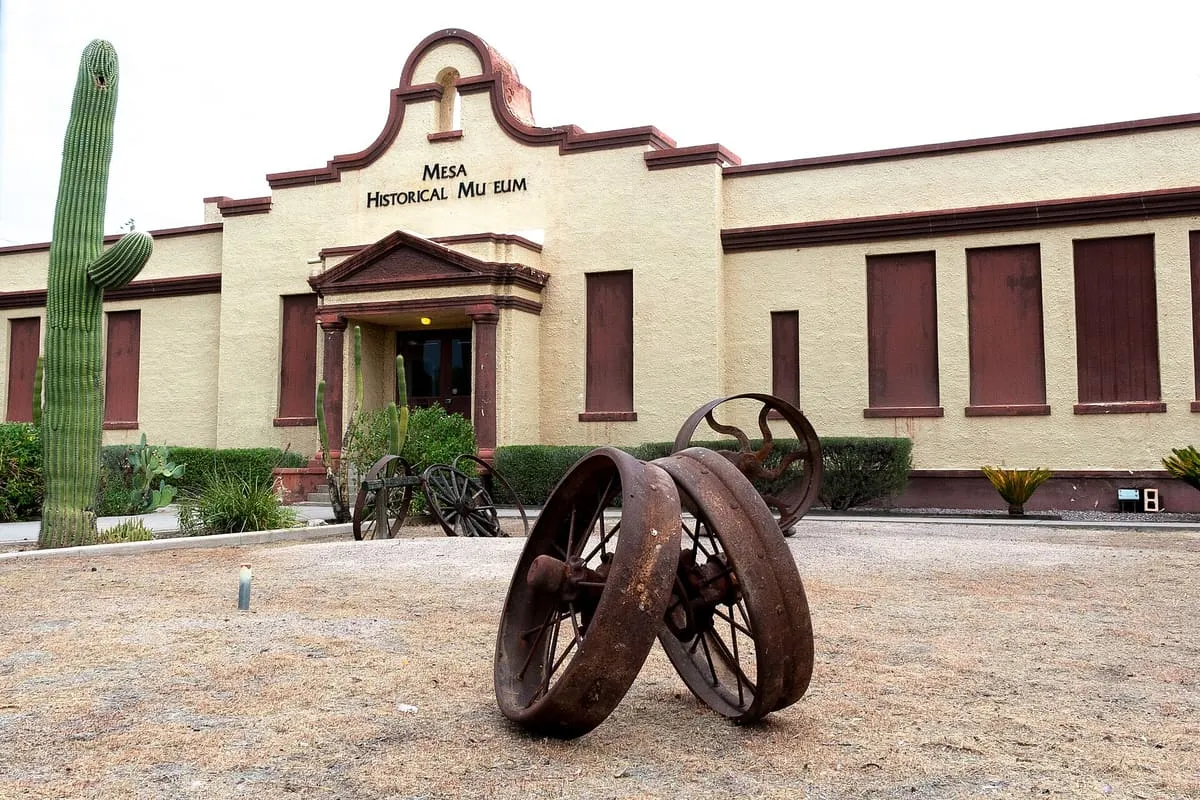
Mesa's 1987 history museum occupies the 1913 Lehi School and created the touring exhibit 'Play Ball: The Cactus League Experience'.
31 Score 32.7 out of 100 32.7
Museum
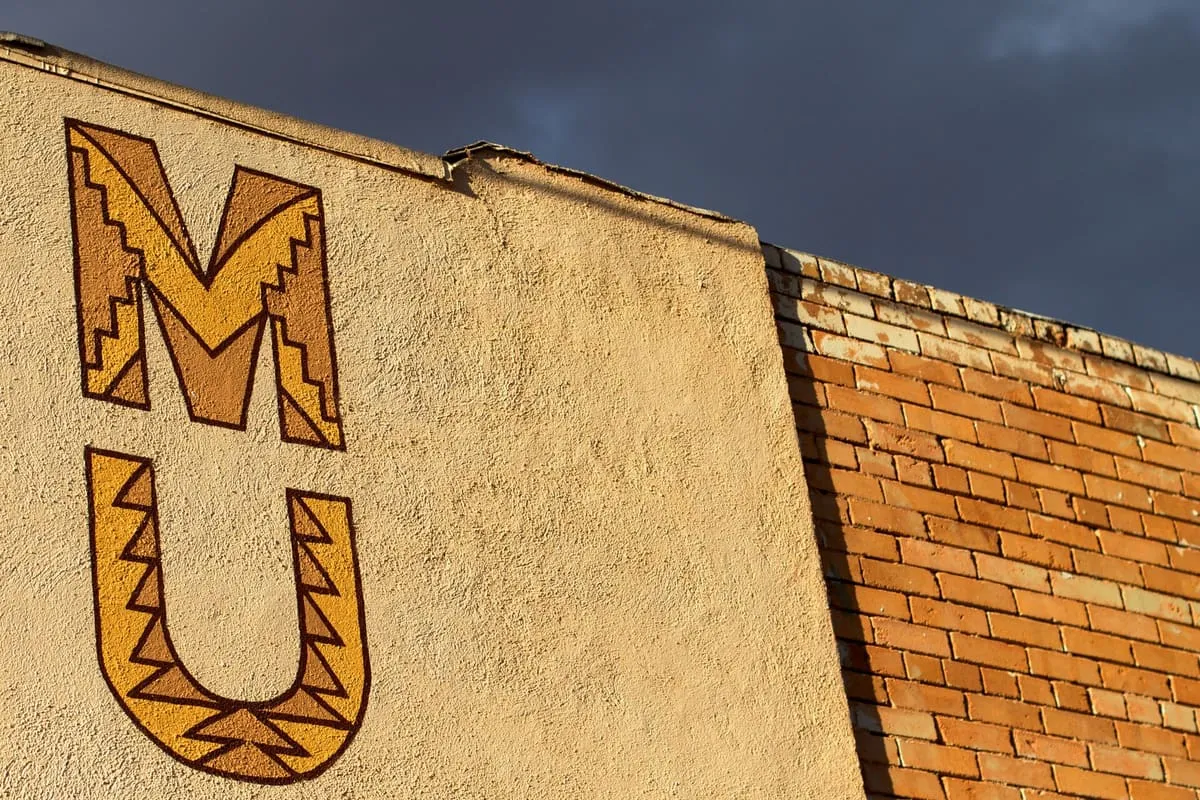
A fully restored 1898-1900 house museum in Bisbee named for merchant Joseph Muheim, listed on the National Register of Historic Places.
32 Score 32.7 out of 100 32.7
Museum
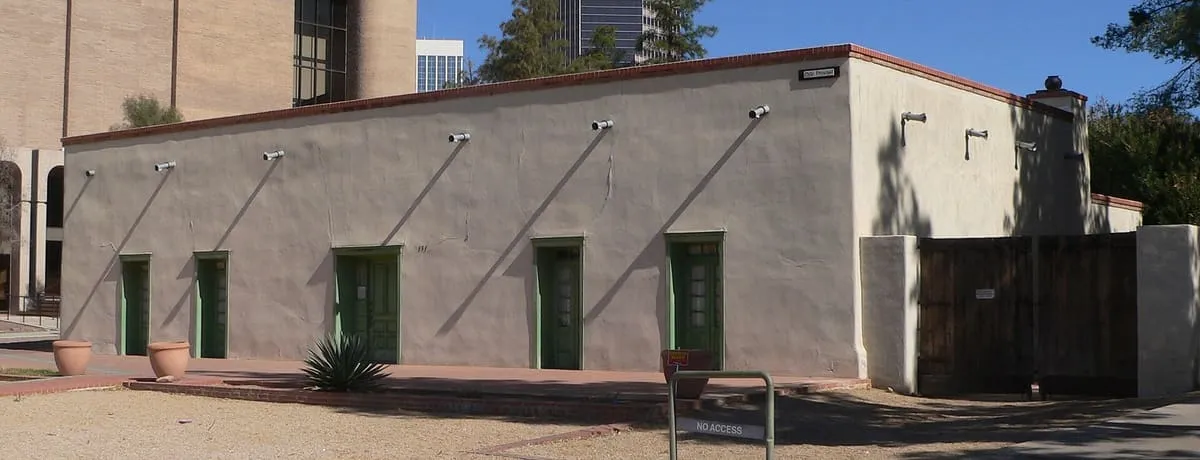
A 1870s Tucson adobe house tied to Territorial Governor John Charles Fremont, now an Arizona Historical Society museum.
33 Score 32.6 out of 100 32.6
Museum
An Old Town Scottsdale museum of contemporary art, design and architecture, with James Turrell's Knight Rise skyspace on permanent view.
34 Score 32.0 out of 100 32.0
Museum
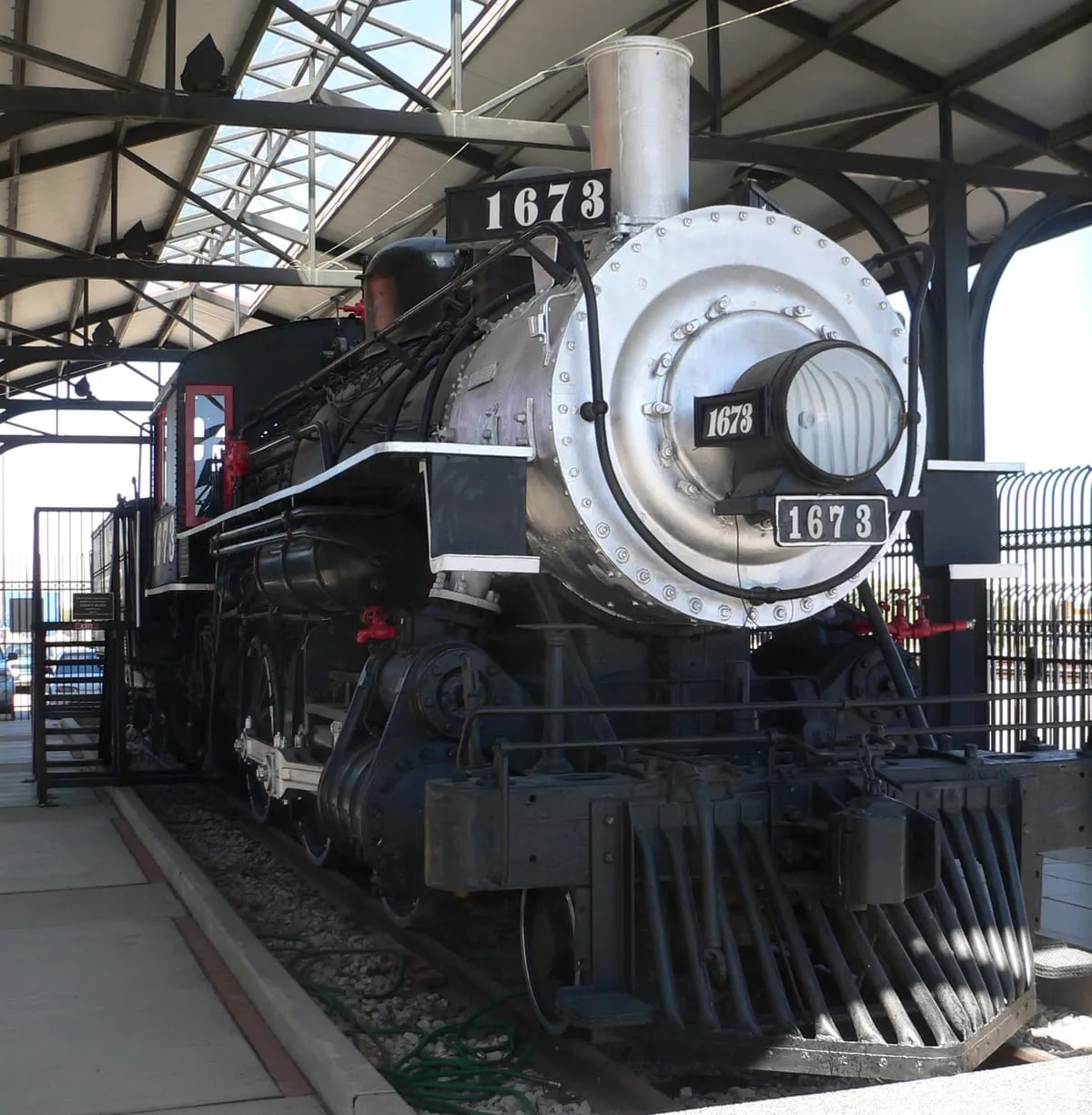
A free Tucson railroad museum in the former Southern Pacific Depot's records vault, centred on steam locomotive 1673.
35 Score 30.0 out of 100 30.0
Museum
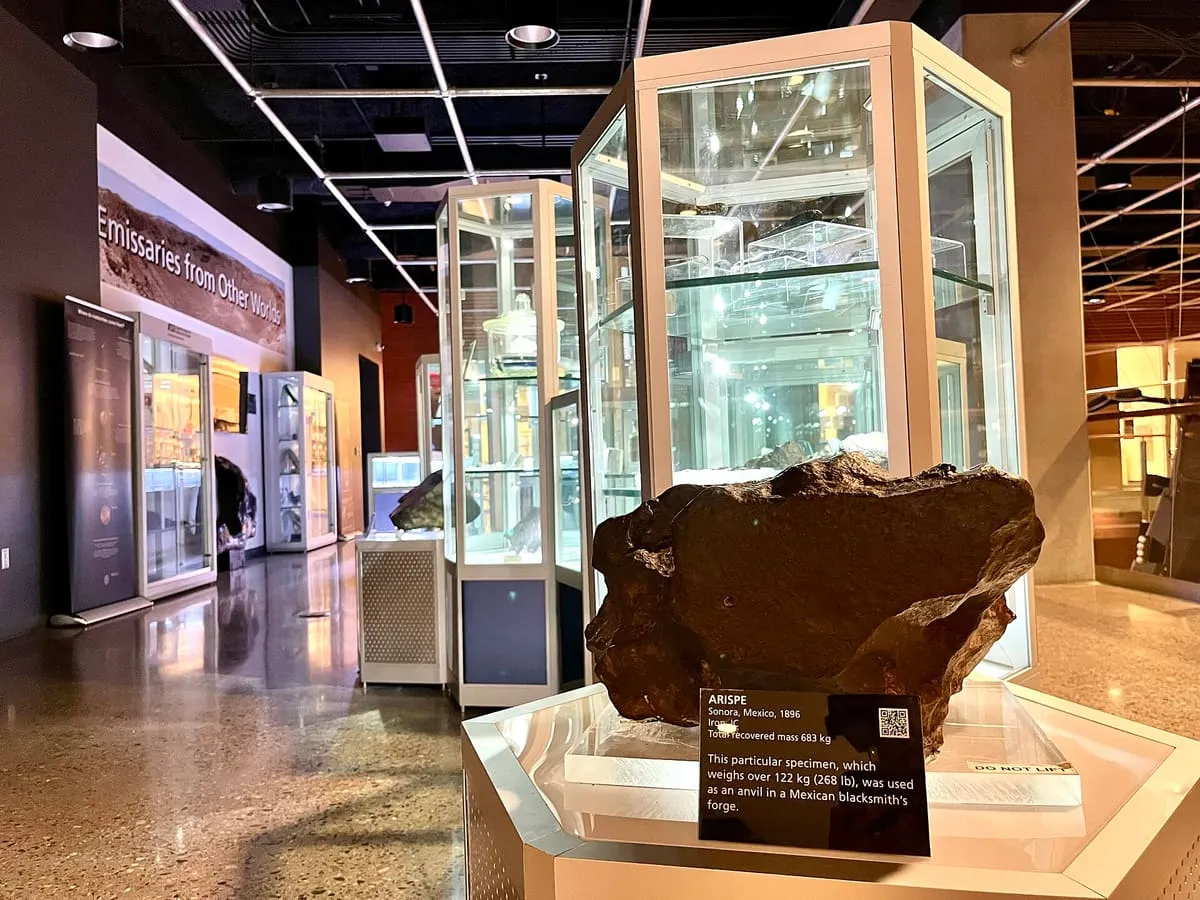
ASU's meteorite research centre, renamed for Professor Peter Buseck in 2021, holds the world's largest university meteorite collection.
36 Score 30.0 out of 100 30.0
Museum
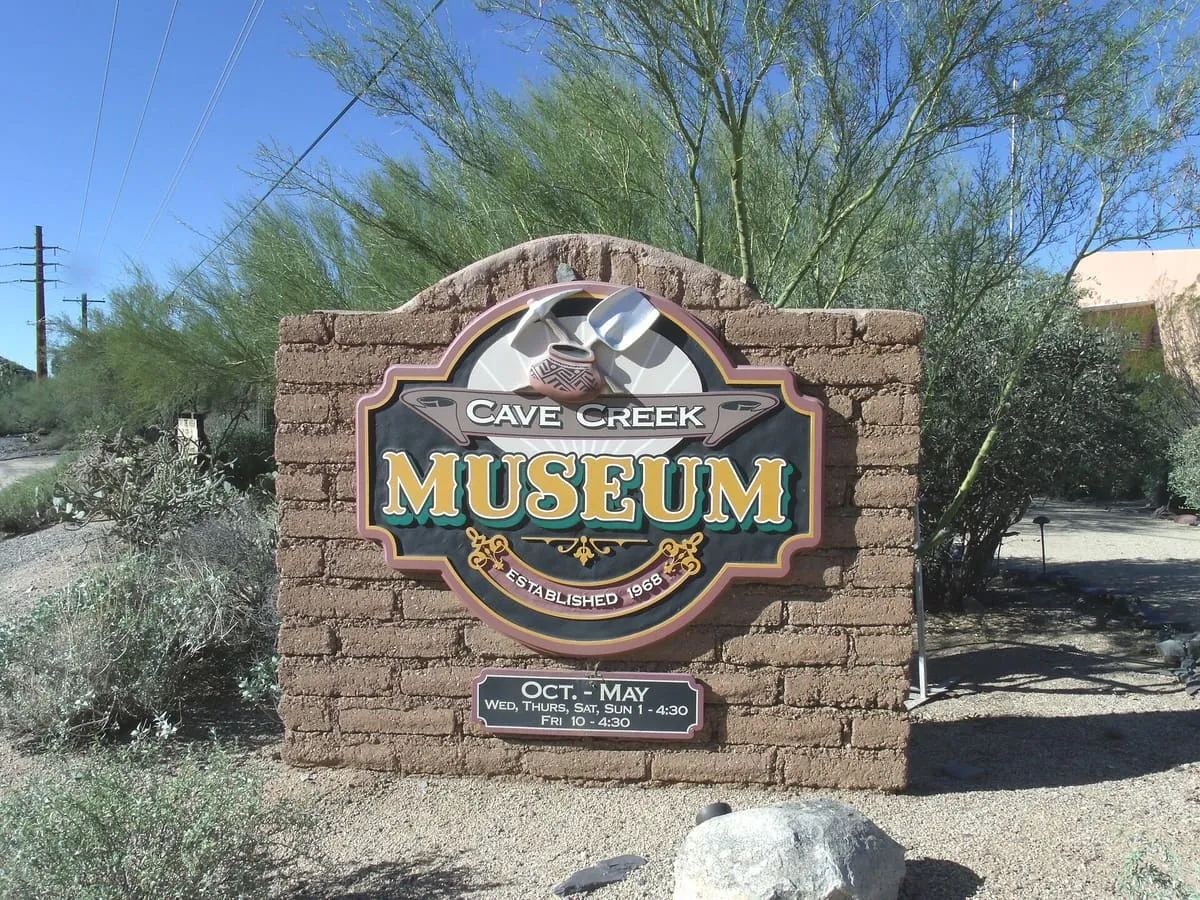
Cave Creek's history museum displays area artefacts outdoors, including the town's first church and Arizona's last tubercular cabin.
37 Score 30.0 out of 100 30.0
Museum
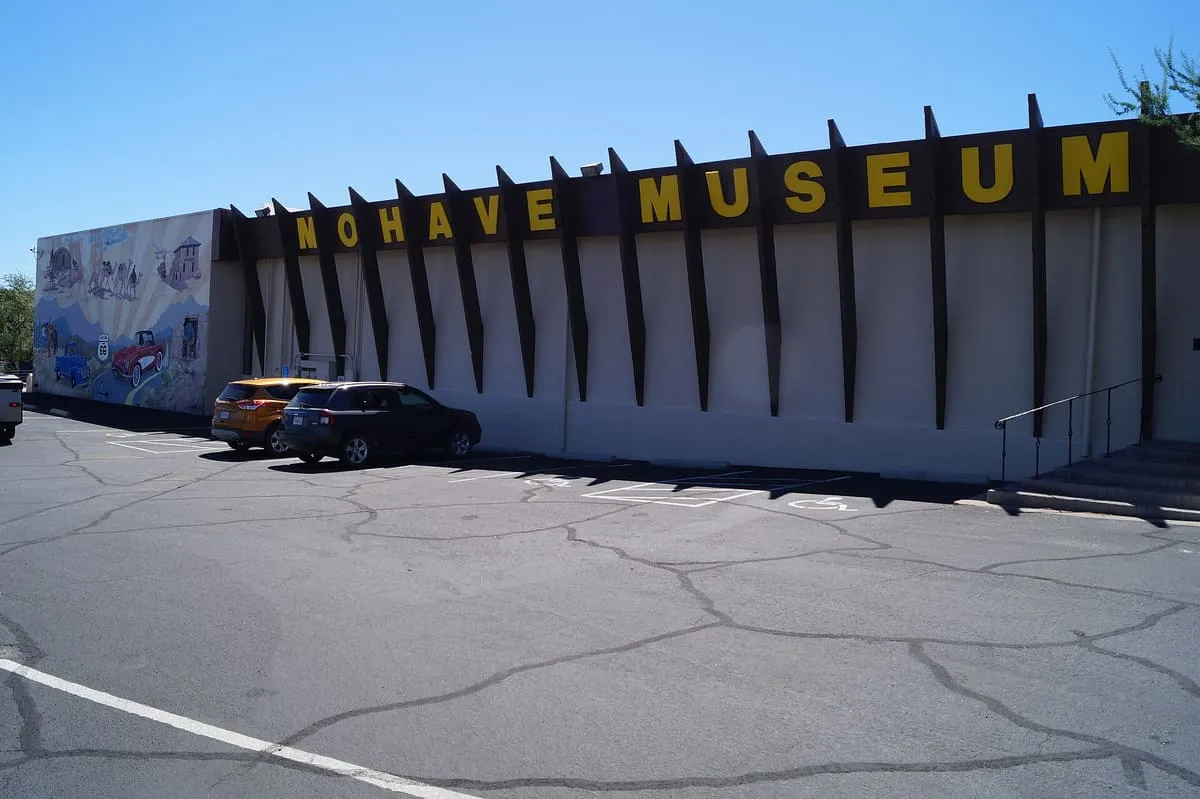
A private, not-for-profit Kingman museum, founded in 1961, dedicated to the heritage and arts of north-western Arizona.
38 Score 30.0 out of 100 30.0
Museum
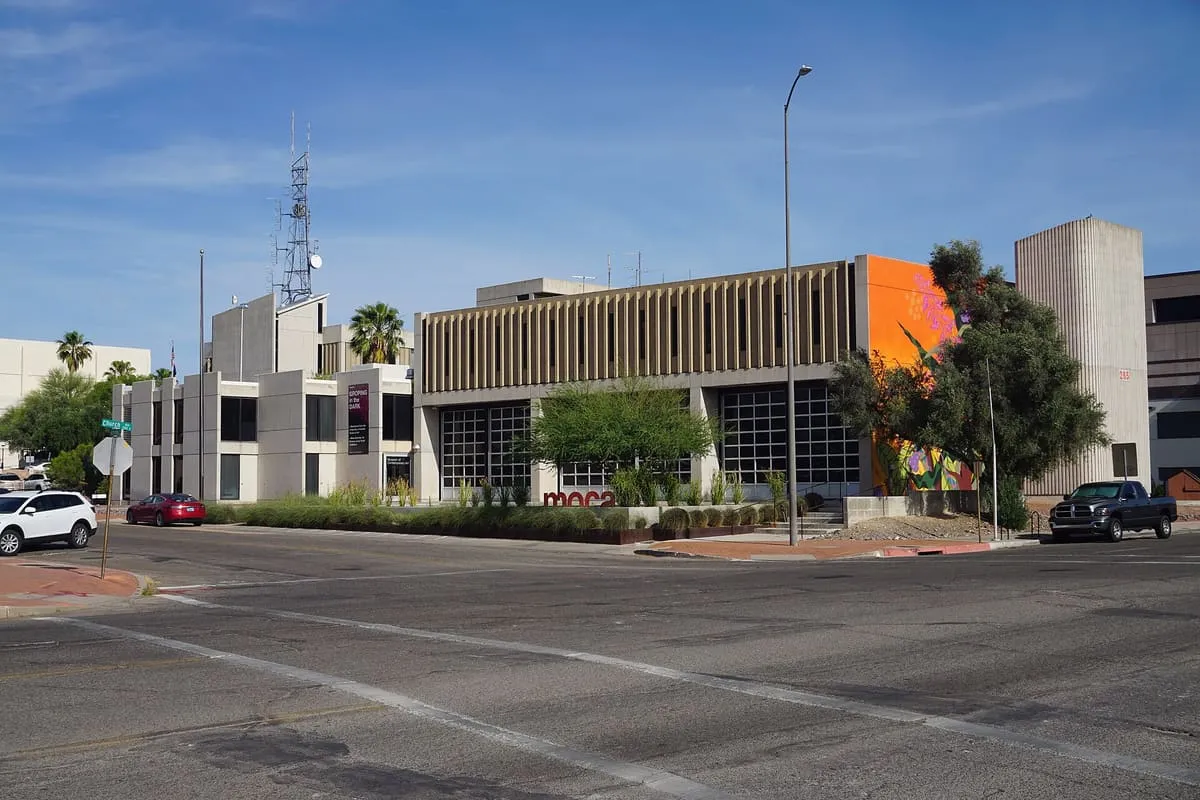
Tucson's Museum of Contemporary Art, founded in 1997, has occupied a former fire station on Church Avenue since 2010.
39 Score 30.0 out of 100 30.0
Museum
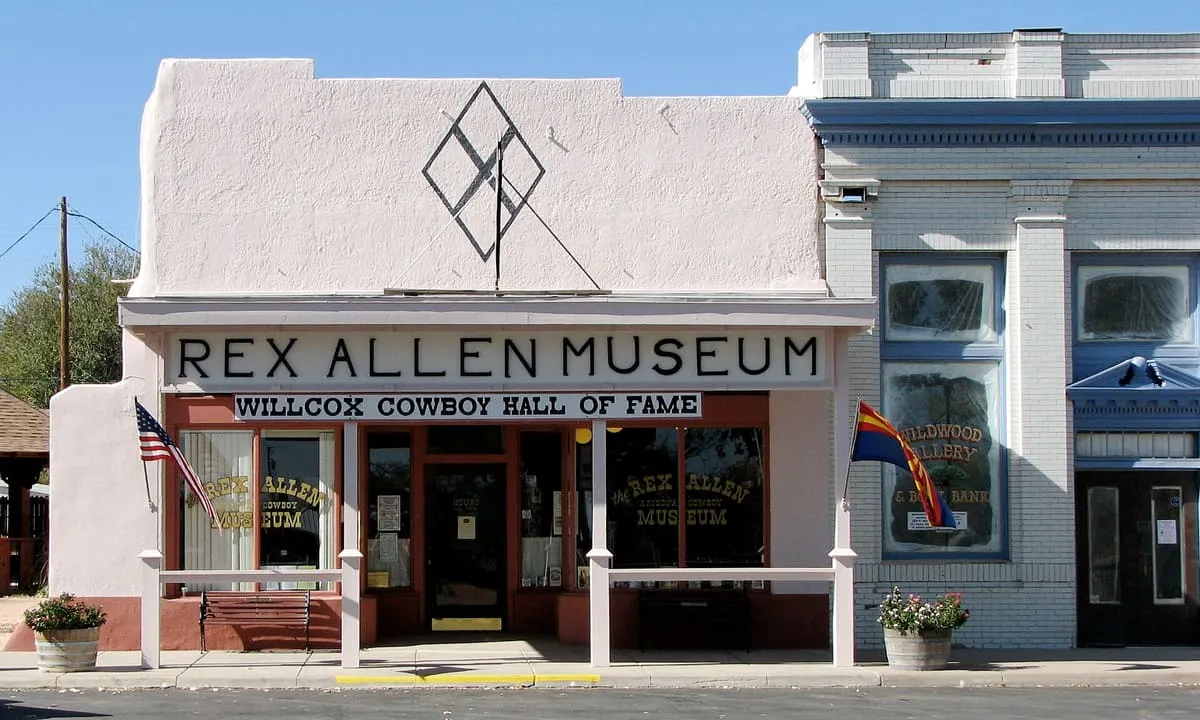
A Willcox museum honouring singing cowboy and Disney narrator Rex Allen (1920-1999), with an adjoining local cowboy hall of fame.
40 Score 30.0 out of 100 30.0
Museum
Camp Verde's archaeology museum, founded in 2010, covers Sinagua culture and hosts an annual archaeology fair and film festival.
41 Score 24.2 out of 100 24.2
Museum
A Yavapai County Route 66 museum owned by Angel Delgadillo, whose account of the highway's bypass inspired a scripted film flashback.
42 Score 24.2 out of 100 24.2
Museum
The Arizona History Museum in Tucson is devoted to the history of Tucson and the surrounding Pima County area.
43 Score 24.2 out of 100 24.2
Museum
A Phoenix museum using hands-on activities, artefacts and public programmes to explain the government of the 48th state.
44 Score 24.2 out of 100 24.2
Museum
A Green Valley mining museum with exhibits on mining history and practice, open-pit mine tours, and a gift shop of local artisan work.
45 Score 24.2 out of 100 24.2
Museum
Ash Fork Route 66 Museum, in Ash Fork, Arizona.
46 Score 24.2 out of 100 24.2
Museum
The ASU Art Museum in Tempe holds a permanent collection and runs a guest artist programme alongside an attached gift shop.
47 Score 24.2 out of 100 24.2
Museum
An ASU facility in Tempe supporting the Thermal Emission Spectrometer aboard the 1996 Mars Global Surveyor, with a public visitor area.
48 Score 24.2 out of 100 24.2
Museum
Arizona State University's anthropology museum in Tempe, run by its School of Human Evolution and Social Change.
49 Score 24.2 out of 100 24.2
Museum
Arizona State University's geology museum in Tempe, housing minerals, gems and fossils from Arizona and worldwide.
50 Score 24.2 out of 100 24.2
Museum
The AZ Heritage Center at Papago Park is a Tempe museum devoted to Arizona's history across the 20th and 21st centuries.
51 Score 24.2 out of 100 24.2
Museum
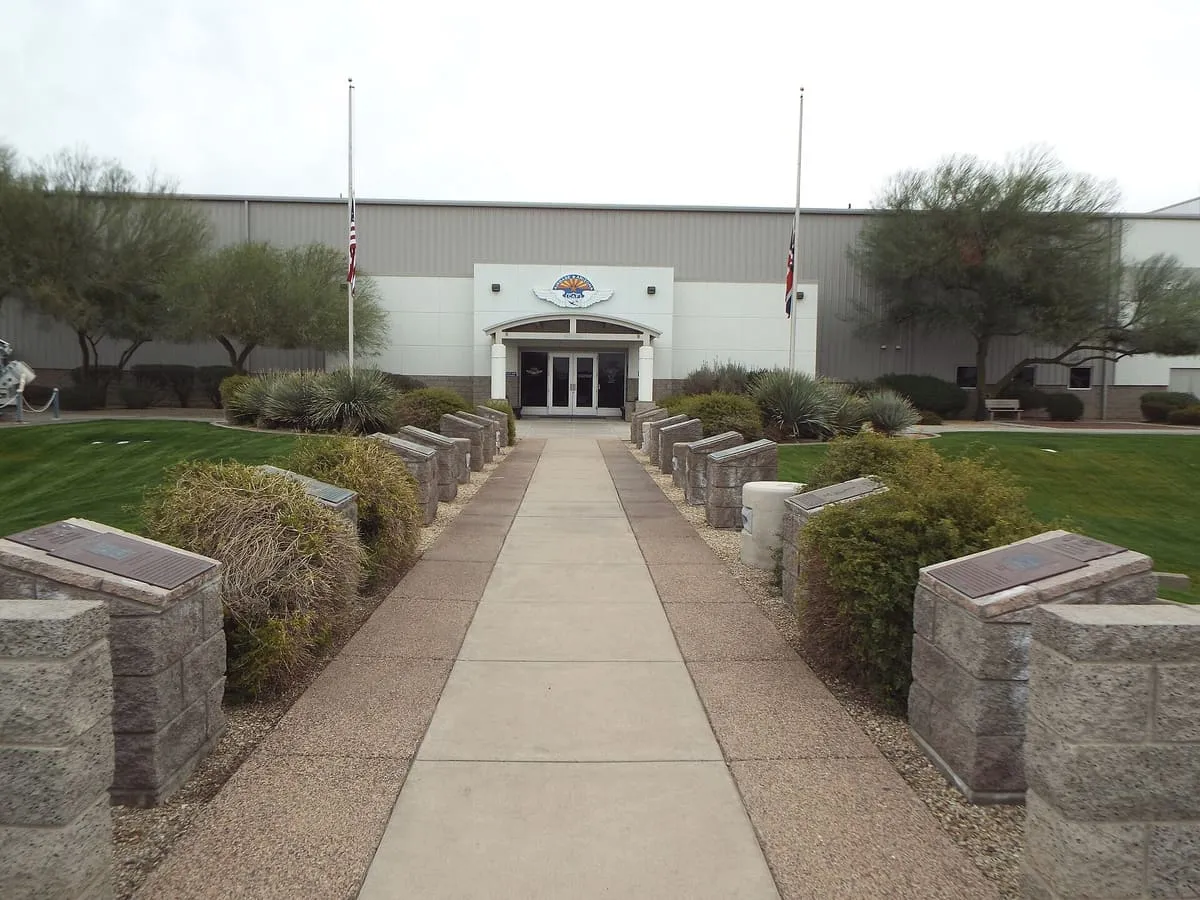
The Border Air Museum in Douglas, Cochise County, Arizona, is dedicated to the history of cross-border aviation.
52 Score 24.2 out of 100 24.2
Museum
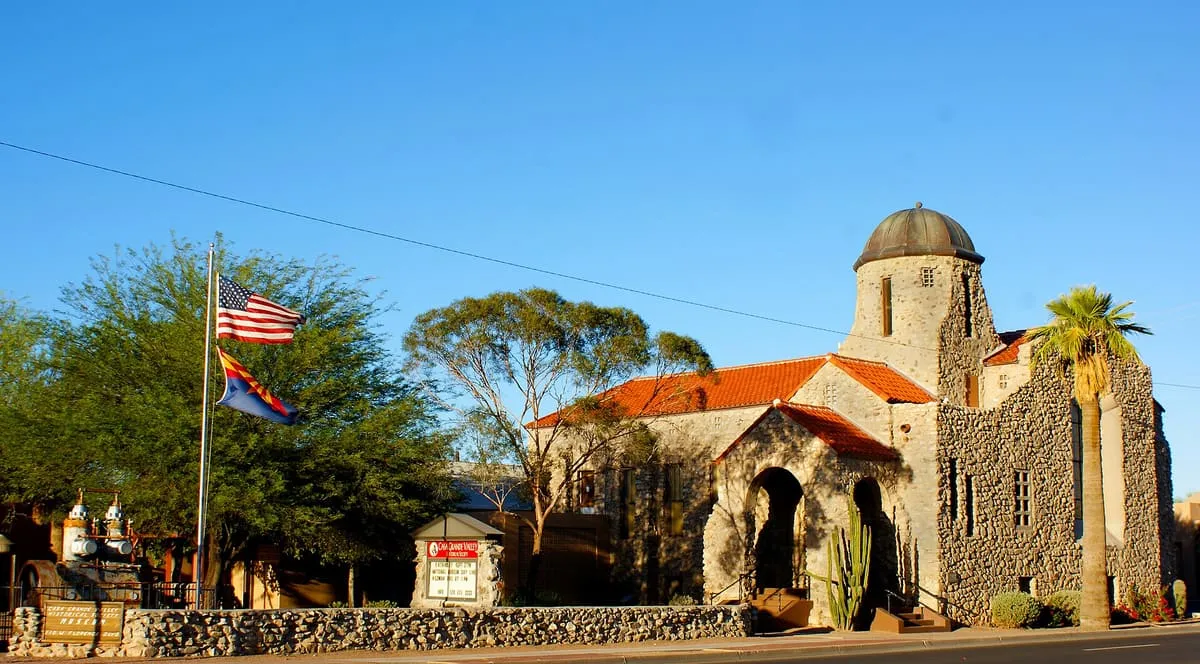
Casa Grande Art Museum, in Casa Grande, Arizona.
53 Score 24.2 out of 100 24.2
Museum
The Castle Dome Mine Museum near Yuma, Arizona, is built around a collection of original and reproduced Old West buildings.
54 Score 24.2 out of 100 24.2
Museum
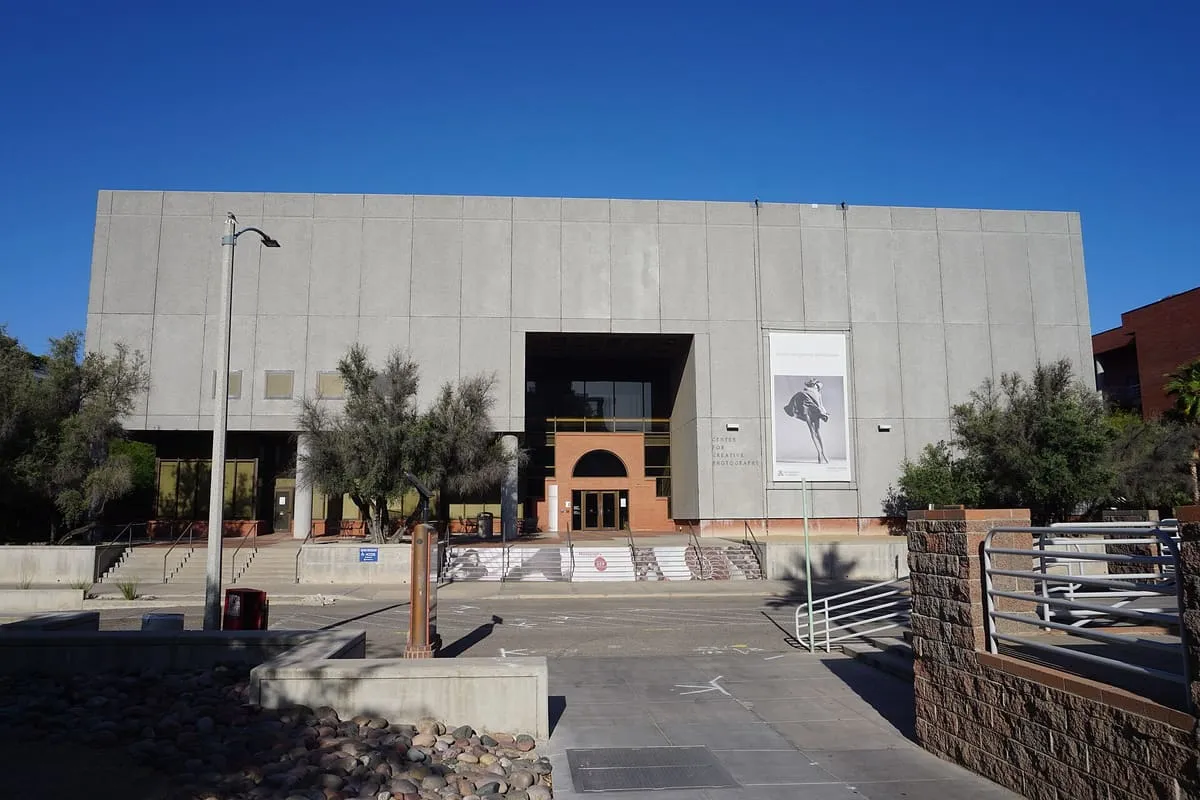
A Tucson photography museum and archive founded by Ansel Adams, which periodically exhibits its Ansel Adams collection.
55 Score 24.2 out of 100 24.2
Museum
Third best children's museum in the country.
56 Score 24.2 out of 100 24.2
Museum
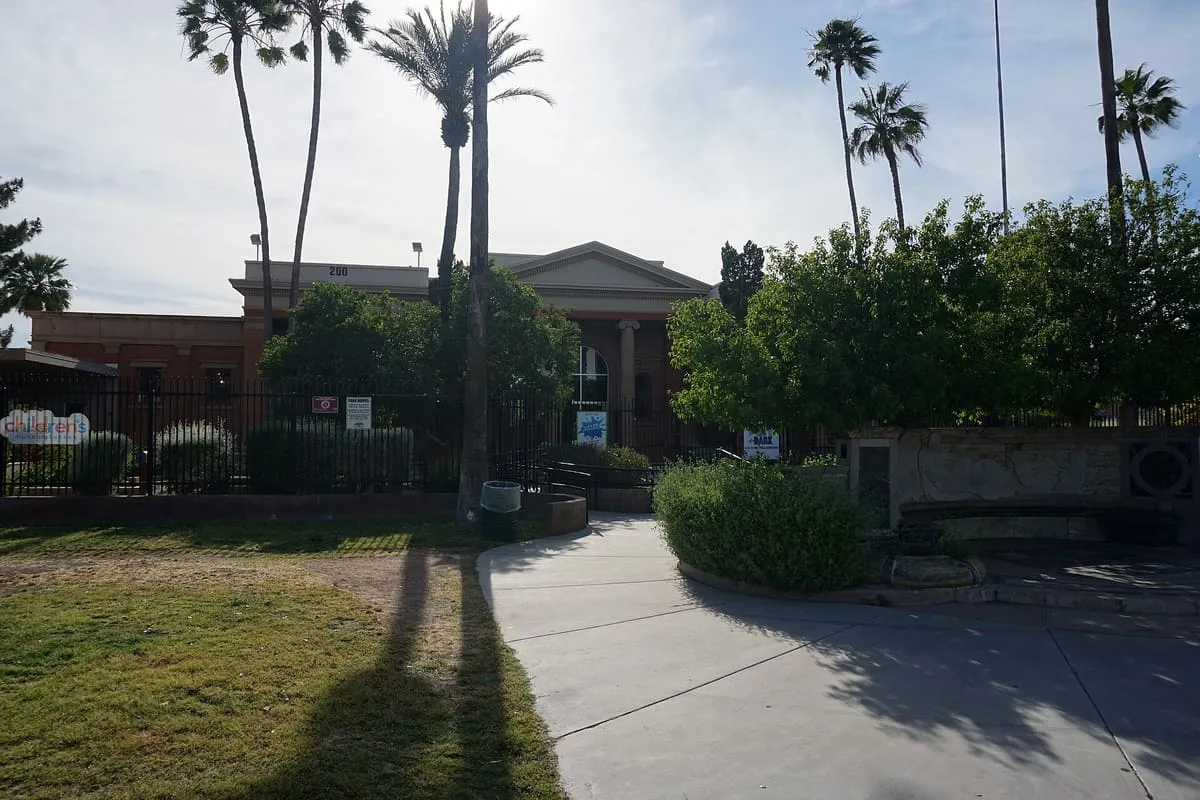
Children's Museum Tucson, in Tucson, Arizona.
57 Score 24.2 out of 100 24.2
Museum
A small Willcox, Arizona museum with displays focused on the local history of the surrounding region.
58 Score 24.2 out of 100 24.2
Museum
A Flagstaff arts museum described as the largest gallery in northern Arizona, showing local and regional artists' work.
59 Score 24.2 out of 100 24.2
Museum
A Mesa museum at Falcon Field housing WWII aircraft, including the restored B-17 bomber Sentimental Journey, one of about 13 still flying.
60 Score 24.2 out of 100 24.2
Museum
Fort Huachuca Museum, in Sierra Vista, Cochise County, Arizona, is a museum that includes a small gift shop.
61 Score 24.2 out of 100 24.2
Museum
A Tucson museum in the reconstructed officers' quarters of Fort Lowell, an Apache Wars-era army post, focused on frontier military life.
62 Score 24.2 out of 100 24.2
Museum
A small Flagstaff museum in a 1929 former National Guard facility, with displays on regional military history.
63 Score 24.2 out of 100 24.2
Museum
A working movie set and museum near Benson, Arizona, closed to visitors during filming, with a collection of movie memorabilia and antiques.
64 Score 24.2 out of 100 24.2
Museum
A small Globe, Arizona museum on local and regional history, run by the Gila County Historical Society, with an onsite bookshop.
65 Score 24.2 out of 100 24.2
Museum
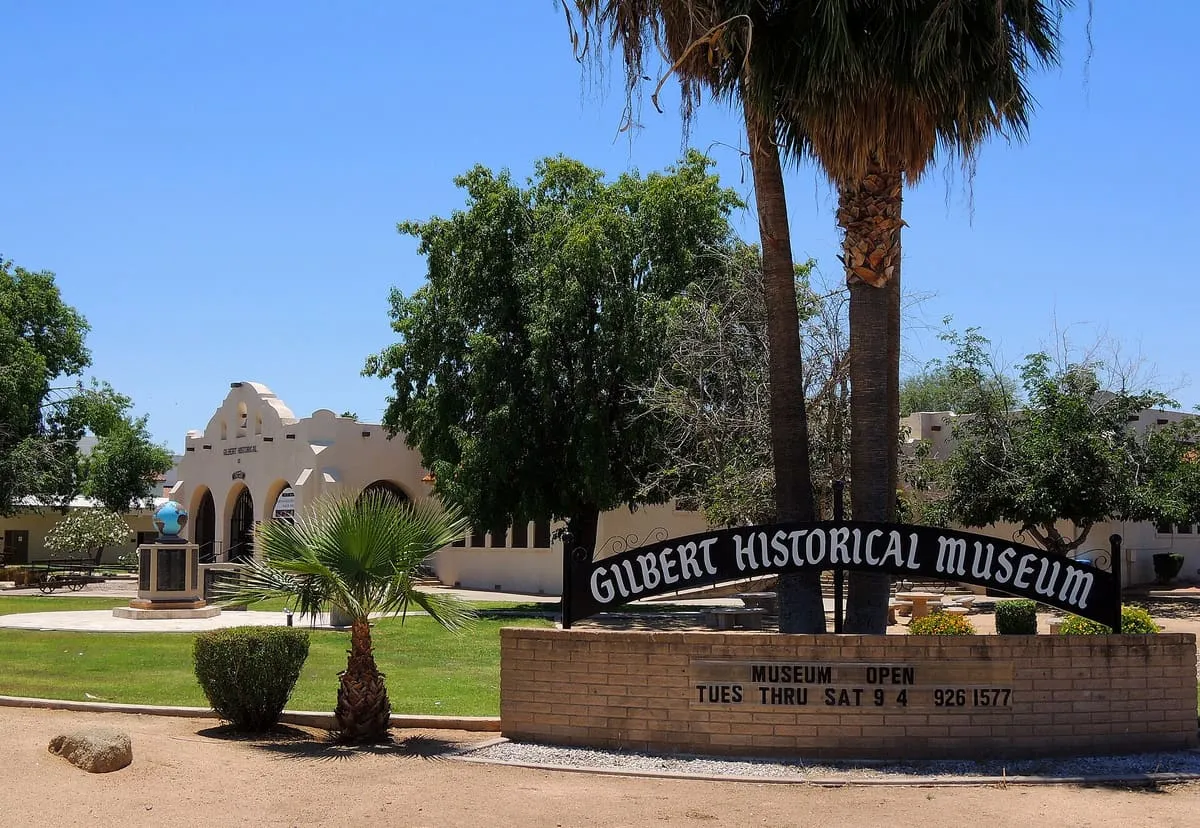
The Gilbert Historical Museum, in Gilbert, Arizona, has a variety of exhibits on the town's founding and growth.
66 Score 24.2 out of 100 24.2
Museum
A small Morenci museum devoted to the mining history of Clifton and Morenci in Greenlee County, Arizona.
67 Score 24.2 out of 100 24.2
Museum
A small Sierra Vista museum of historic artefacts and photographs from the surrounding Cochise County region.
68 Score 24.2 out of 100 24.2
Museum
A Prescott, Arizona nature centre with three miles of trails, offering lectures, workshops, and summer camps for children and families.
69 Score 24.2 out of 100 24.2
Museum
John Bell Railroad Museum, in Cottonwood, Arizona.
70 Score 24.2 out of 100 24.2
Museum
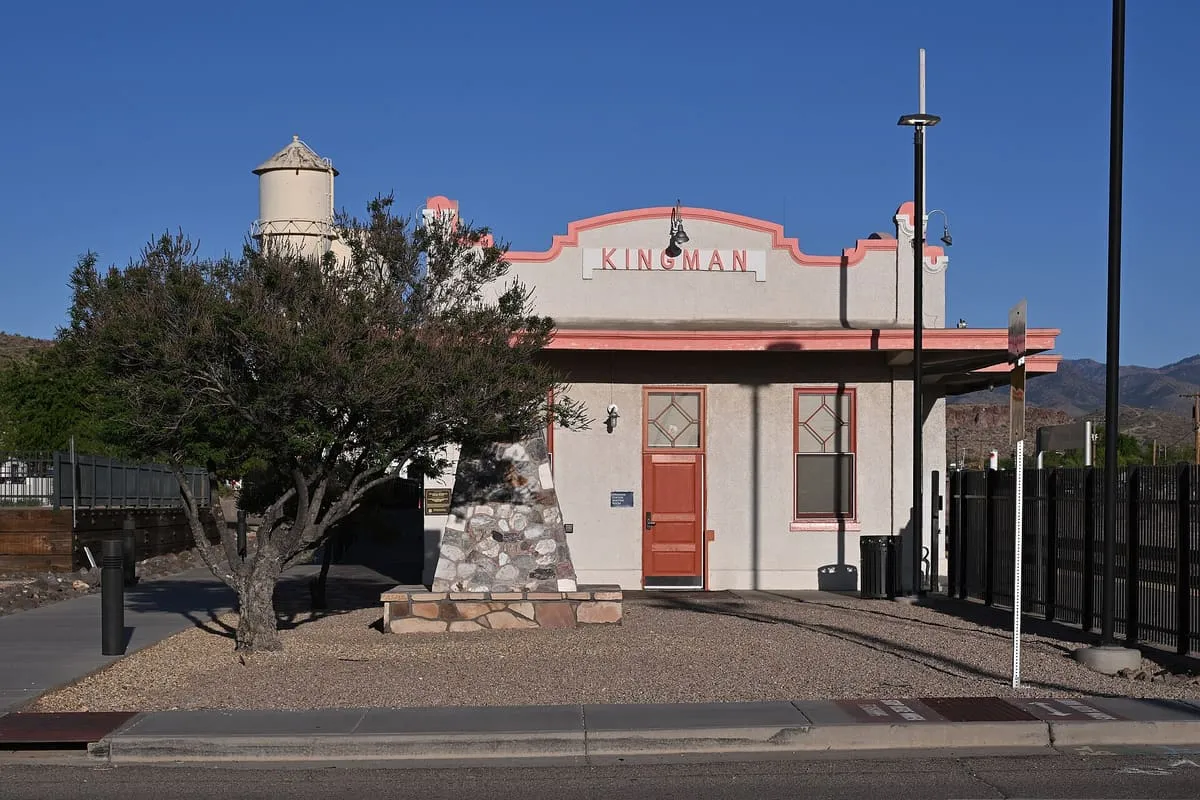
Kingman Railroad Museum, in Kingman, Arizona.
71 Score 24.2 out of 100 24.2
Museum
Lake Havasu Museum of History, in Lake Havasu City, Arizona.
72 Score 24.2 out of 100 24.2
Museum
The Mine Museum, in Jerome, Yavapai County, Arizona, covers the town's mining history and has an onsite gift shop.
73 Score 24.2 out of 100 24.2
Museum
A Prescott museum of regional Native American history and culture, founded in 1935 out of a settler group that had staged imitation Hopi rituals.
74 Score 24.2 out of 100 24.2
Museum
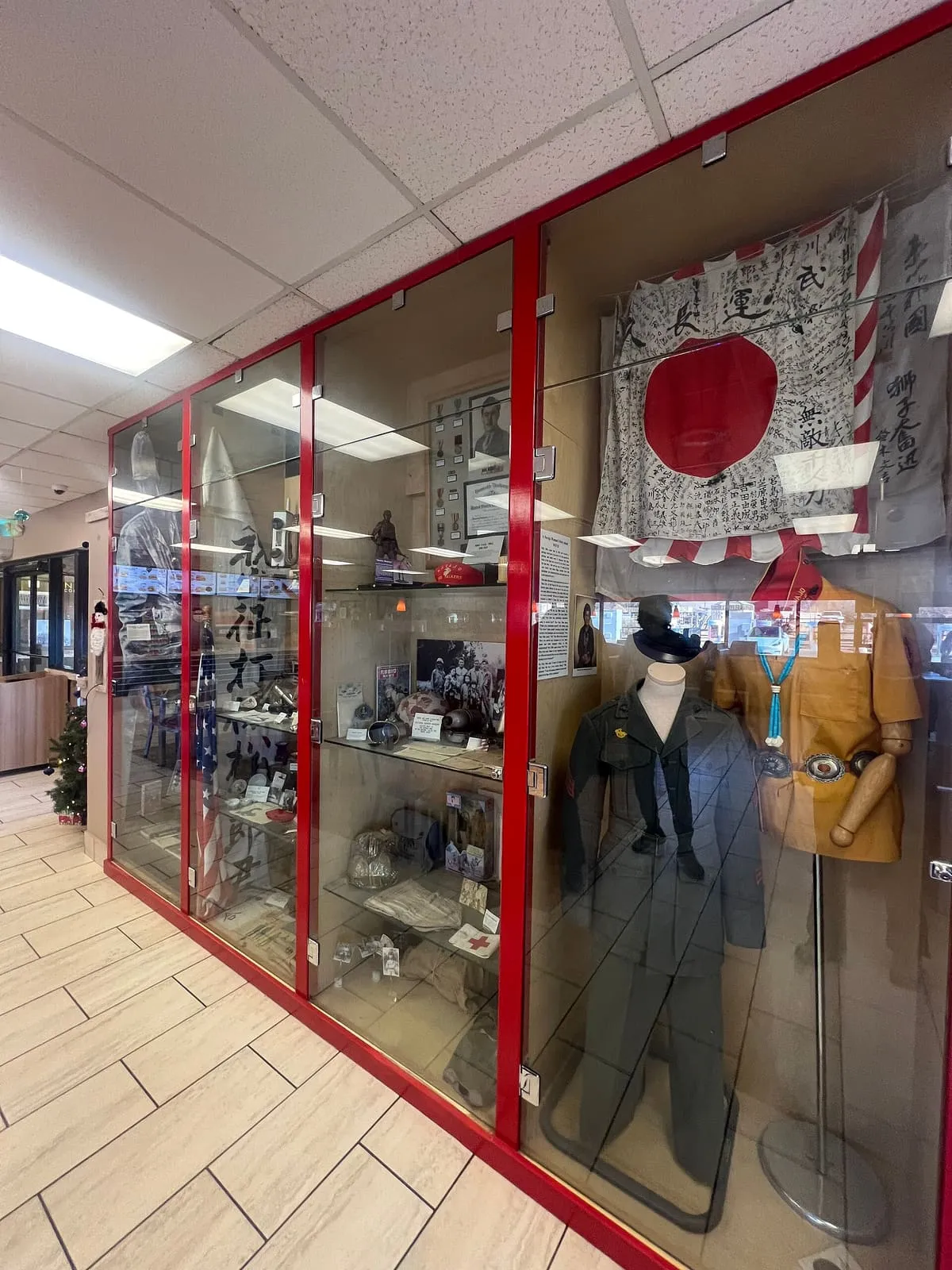
A Kayenta exhibit, in a building behind a Burger King, on how Navajo code talkers secured US military communications in the Second World War.
75 Score 24.2 out of 100 24.2
Museum
Self-guided tours. Contact the Holbrook Visitor's Center (nextdoor) for a brochure.
76 Score 24.2 out of 100 24.2
Museum
The Northern Arizona University Art Museum, in Flagstaff, Arizona, holds rotating exhibits of local and international art.
77 Score 24.2 out of 100 24.2
Museum
Northlight Gallery, in Tempe, Arizona, exhibits photographic work by emerging and internationally recognised artists.
78 Score 24.2 out of 100 24.2
Museum
A Tucson museum of more than 4,000 Yaqui community artefacts, housed in a 1926 home listed on the National Register of Historic Places.
79 Score 24.2 out of 100 24.2
Museum
Old Trails Museum, in Winslow, Navajo County, Arizona, is a small museum devoted to the history of the Winslow area.
80 Score 24.2 out of 100 24.2
Museum
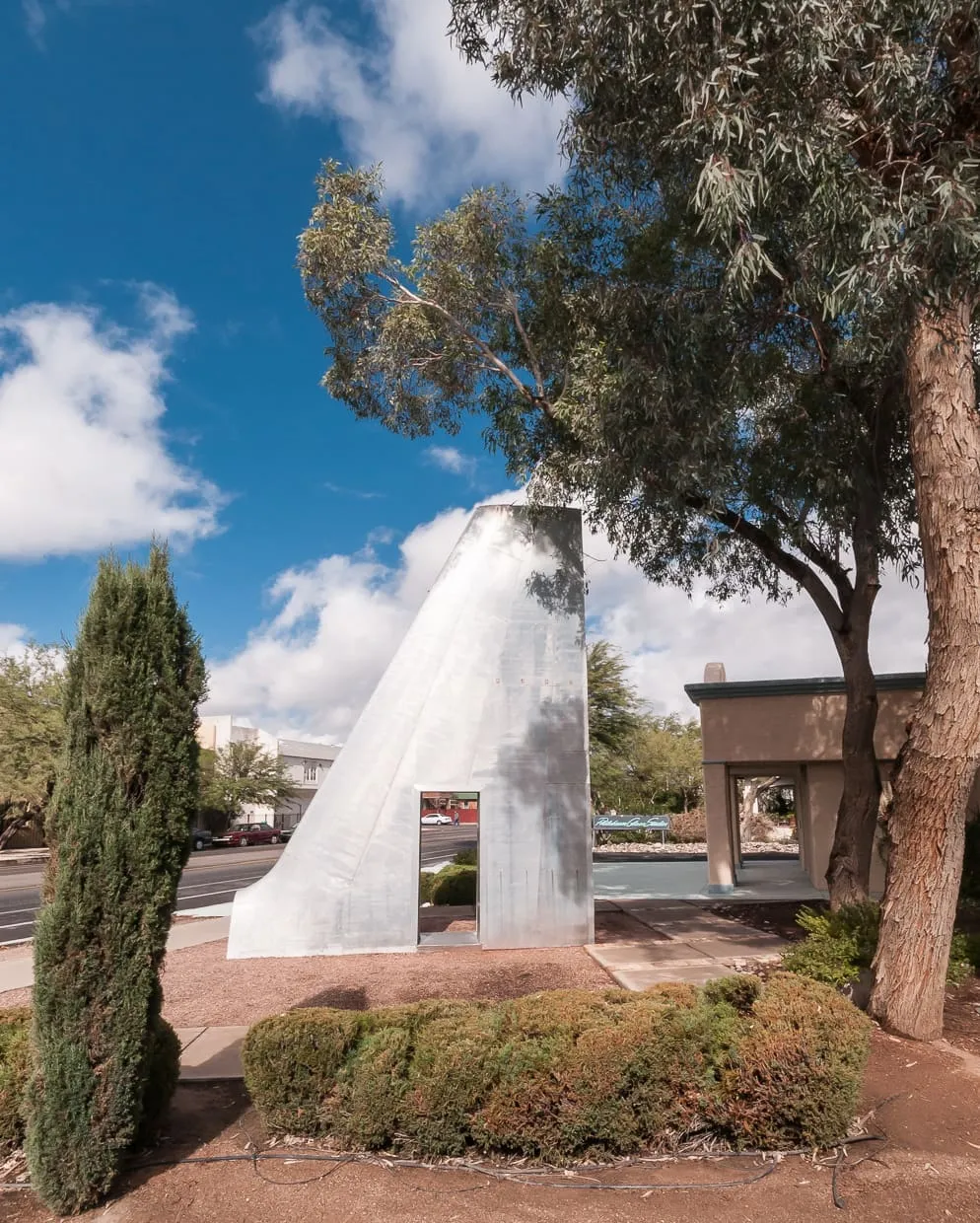
Philabaum Glass Gallery & Studio, in Tucson, Arizona, has offered glassblowing demonstrations and contemporary glass art since Tom Philabaum built it in 1975.
81 Score 24.2 out of 100 24.2
Museum
Phoenix Space Museum, also known as the Earth & Space Expedition Center in Phoenix, Arizona, displays a Space Shuttle Atlantis model and a solar system model.
82 Score 24.2 out of 100 24.2
Museum
Pimeria Alta Historical Society and Museum, in Nogales, Arizona, occupies the 1914 former City Hall and displays artefacts on the region's history.
83 Score 24.2 out of 100 24.2
Museum
Pinal Geology & Mineral Museum, in Coolidge, Pinal County, Arizona, displays minerals and fossilised dinosaur bones.
84 Score 24.2 out of 100 24.2
Museum
Pine-Strawberry Museum, in Gila County, Arizona, displays prehistoric and pioneer artefacts, period antiques, and room displays.
85 Score 24.2 out of 100 24.2
Museum
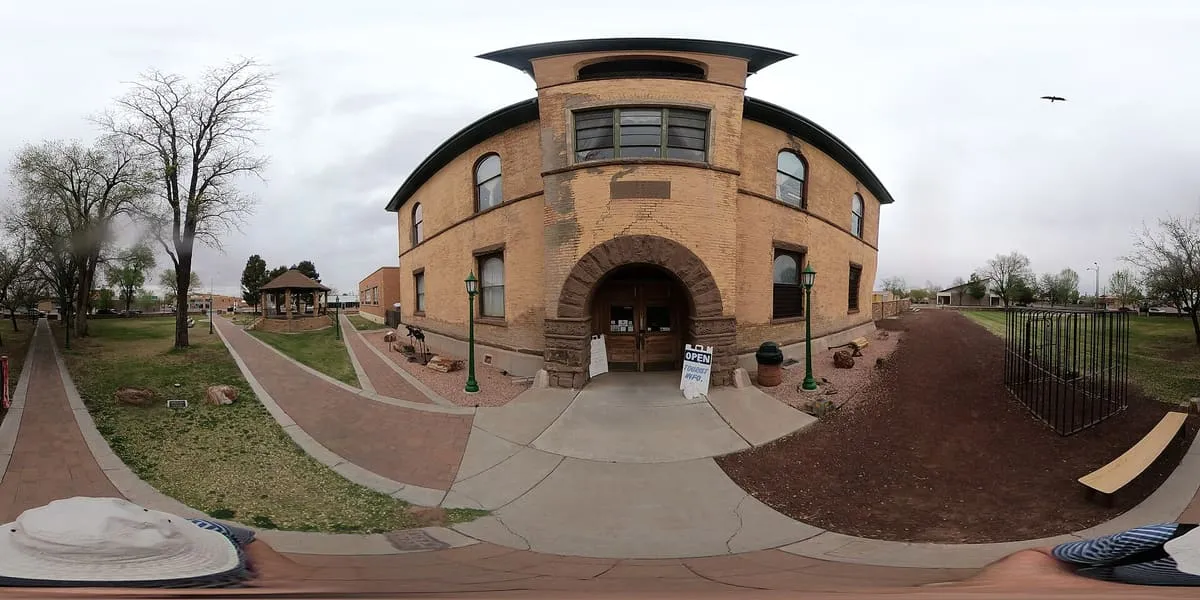
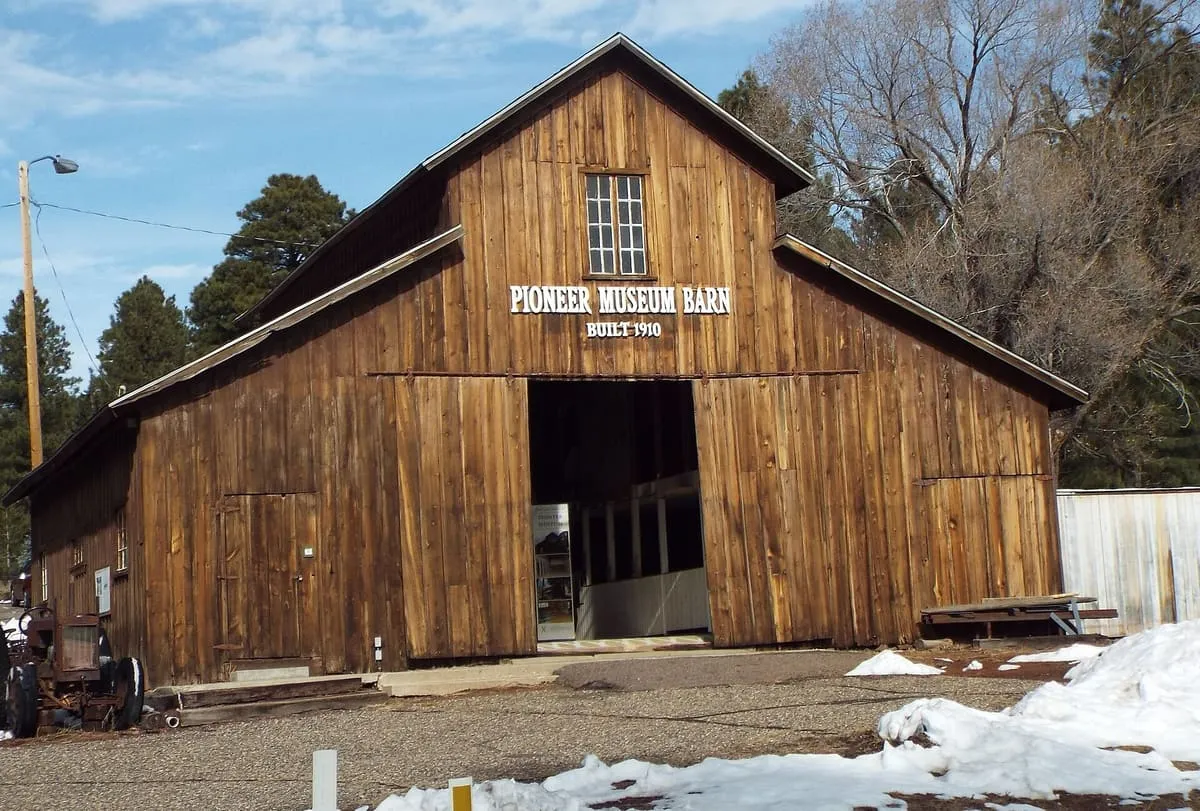
Pioneer Museum, in Flagstaff, Arizona, collects and exhibits artefacts and photographs on the history of Flagstaff and northern Arizona.
86 Score 24.2 out of 100 24.2
Museum
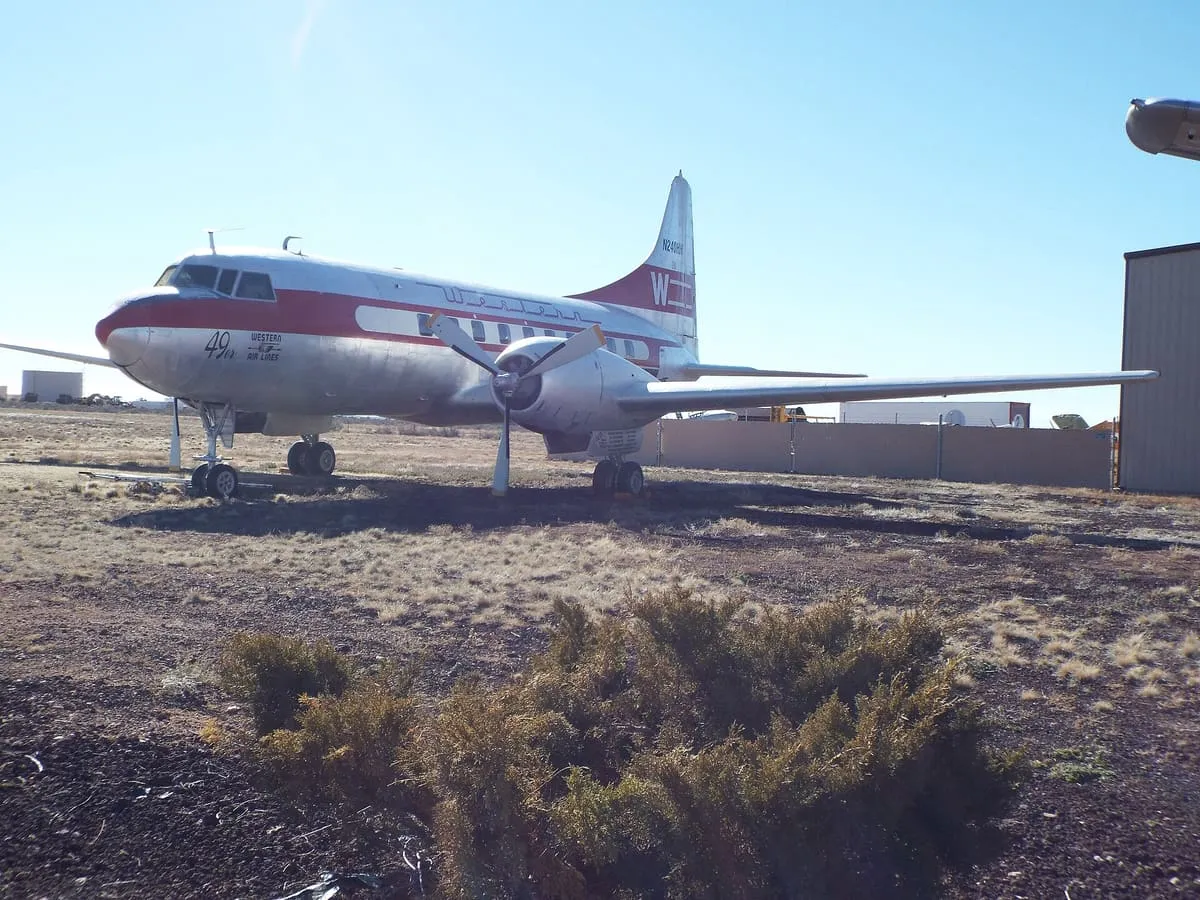
Planes of Fame Air Museum, in Williams, Arizona, is a branch of the Chino, California air museum, and most of its aircraft on display are flyable.
87 Score 24.2 out of 100 24.2
Museum
Quartzsite Historical Society, in La Paz County, Arizona, occupies the site of an 1866 adobe stage station on the California–Arizona line.
88 Score 24.2 out of 100 24.2
Museum
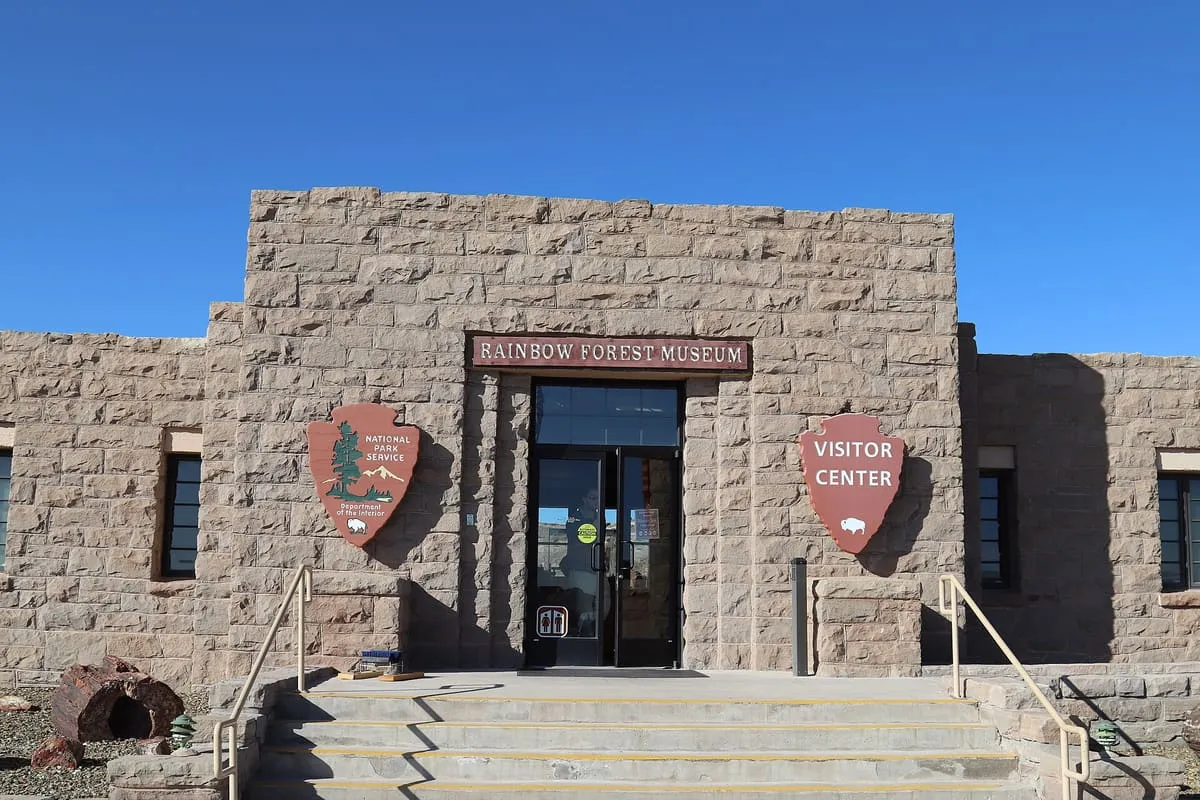
Rainbow Forest Museum, in Petrified Forest National Park, Arizona, exhibits petrified wood, fossils, and the park orientation film Timeless Impressions.
89 Score 24.2 out of 100 24.2
Museum
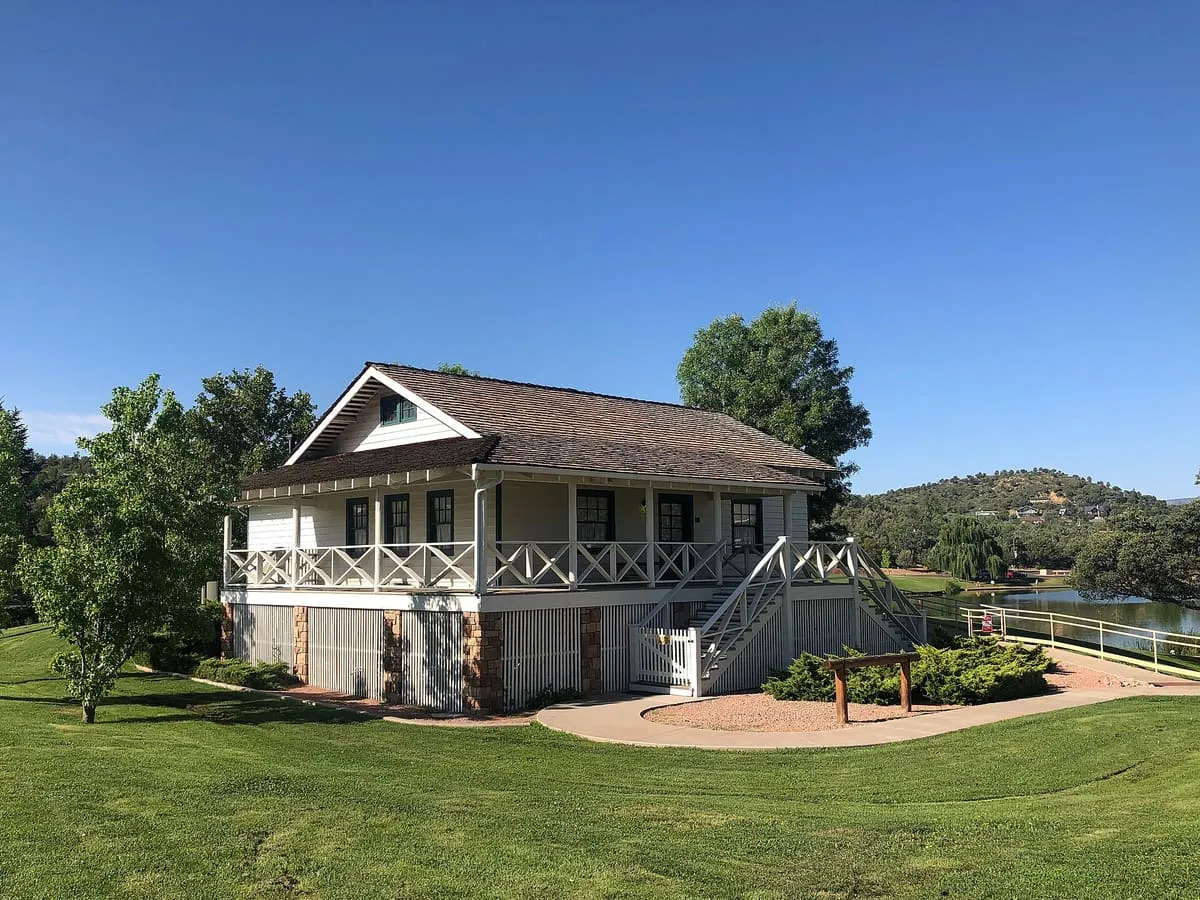
Rim Country Museum and Zane Grey Cabin, in Payson, Arizona, covers the history of northern Gila County and the Mogollon Rim.
90 Score 24.2 out of 100 24.2
Museum
Rose Tree Museum, in Tombstone, Arizona, is said to house the world's largest rose tree alongside its historical exhibits.
91 Score 24.2 out of 100 24.2
Museum
Route 66 Museum, in Kingman, Arizona, traces the history of Route 66 and displays about 16 historic electric vehicles, including one owned by Willie Nelson.
92 Score 24.2 out of 100 24.2
Museum
Salt River Project History Center, in Tempe, Arizona, exhibits the construction of the Theodore Roosevelt Dam and Arizona's water-use history.
93 Score 24.2 out of 100 24.2
Museum
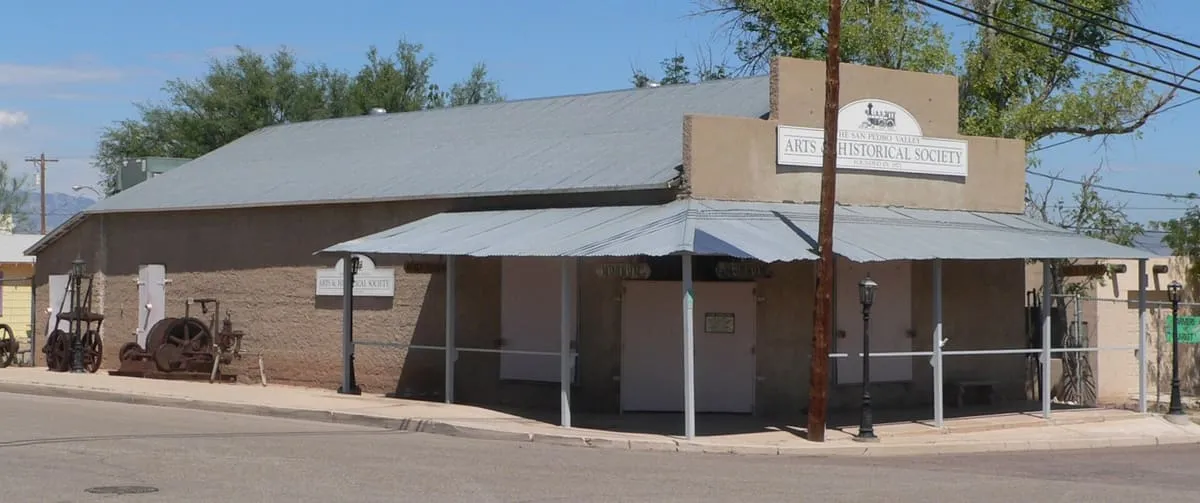
San Pedro Valley Arts & Historical Society, in Benson, Arizona, displays local and regional history and sells local artisans' work in its gift shop.
94 Score 24.2 out of 100 24.2
Museum
Sanguinetti House Museum and Gardens, in Yuma, Arizona, is an 1870s adobe house with exhibits on the lower Colorado River region since the 1540s.
95 Score 24.2 out of 100 24.2
Museum
Sedona Heritage Museum, in Sedona, Arizona, is dedicated to the history of the town's early white settlement.
96 Score 24.2 out of 100 24.2
Museum
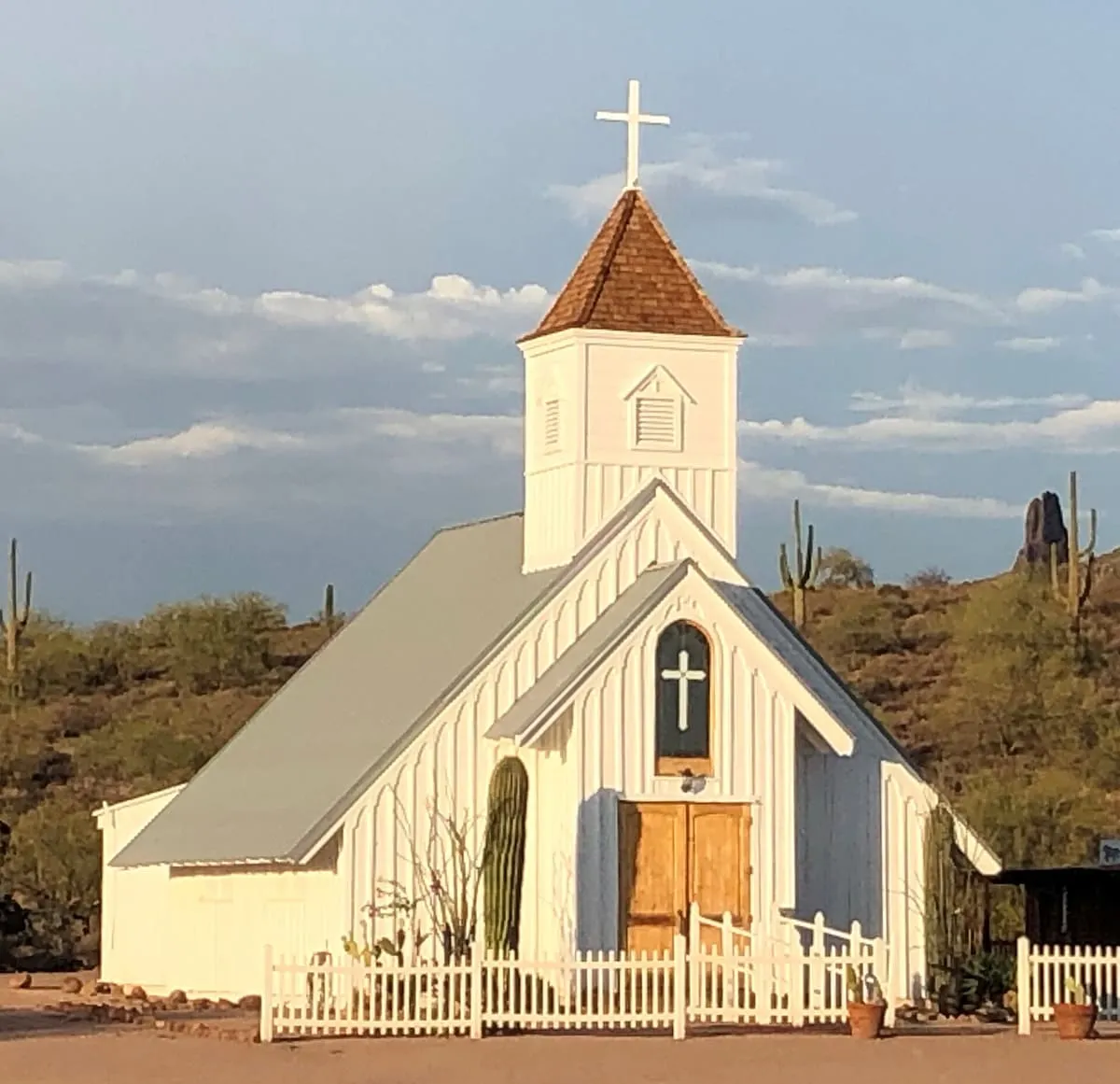
Superstition Mountain Museum, in Apache Junction, Arizona, spans 12.5 acres and includes the relocated Elvis Memorial Chapel and Audie Murphy Barn.
97 Score 24.2 out of 100 24.2
Museum
Tempe History Museum, in Tempe, Arizona, covers the city's history from the prehistoric Hohokam period to the present through hands-on exhibits.
98 Score 24.2 out of 100 24.2
Museum
The Phippen Museum of Western Art, in Prescott, Arizona, is named after artist George Phippen and hosts exhibits of western art.
99 Score 24.2 out of 100 24.2
Museum
Tubac Center for the Arts, in Tubac, Arizona, is run by a local artists' cooperative that organises art exhibits and workshops.
100 Score 24.2 out of 100 24.2
Museum
US Army Intelligence Museum, in Sierra Vista, Arizona.
101 Score 24.2 out of 100 24.2
Museum
Zelma Basha Salmeri Gallery of Western American and Native American Art, in Chandler, Arizona, is a free gallery of more than 3,000 contemporary artworks.
How this category is scored Every attraction in this category starts from a significance baseline of 55 out of 100, before any designations it holds are added. The full table is on the methodology page .
None of these publish an official visitor count, so they are ranked on public interest and tourism significance, and none can reach the top score band.